

Small Steps, Happy Paws: A Practical Puppy Crate Training Plan

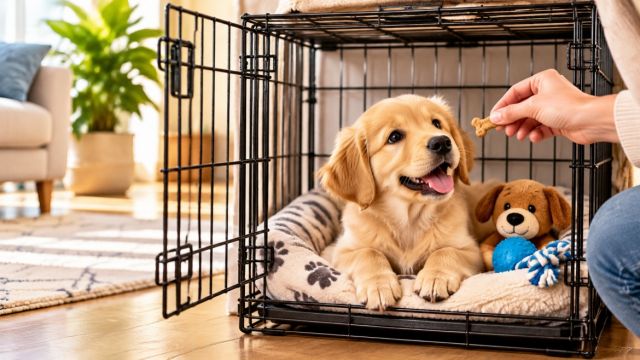
Raising a puppy involves plenty of learning, both for the dog and the person caring for them. From understanding bathroom signals to establishing bedtime routines, the early months are filled with small lessons that shape a puppy’s behavior. One skill that deserves special attention is learning to feel comfortable in a crate.
For new dog owners, crate training can sometimes feel unpredictable. A puppy might happily enter the crate one morning but hesitate the following evening. This is part of the learning process, and it does not necessarily mean something is going wrong.
The secret is to approach Puppy Dog Crate Training with a realistic plan that combines patience, positive reinforcement, and everyday consistency. Instead of expecting immediate results, focus on creating small experiences that gradually help your puppy feel safe and confident.
Begin With a Simple Training Plan
Before introducing regular crate sessions, consider what you want your puppy to learn. The first goal should not be keeping them inside for an extended period. It should be helping them recognize the crate as a comfortable place to rest.
Start by choosing a suitable crate and placing it in a familiar part of your home. Make sure there is enough room for your puppy to stand, turn around, and lie down comfortably.
Keep the entrance open and allow your puppy to investigate independently. Some puppies may approach immediately, while others prefer watching from a distance.
Rather than rushing the experience, spend a few minutes each day encouraging curiosity. Place small treats near the entrance, offer gentle praise, and allow your puppy to leave whenever they want.
A successful training plan begins with trust, not confinement.
Keep Training Sessions Short
Young puppies have limited attention spans, so lengthy training sessions are rarely necessary when introducing a new skill.
Begin with a few minutes of positive interaction. Encourage your puppy to walk inside, investigate a toy, or enjoy a treat. Once they become comfortable, gradually introduce brief periods with the door closed.
Stay nearby during these early exercises. If your puppy remains relaxed, repeat the experience and slowly increase the duration over several sessions.
However, do not increase the time simply because you want to meet a particular target. Watch your puppy’s body language and adjust accordingly.
If they begin showing signs of fear or distress, make the exercise easier. Persistent panic, frantic scratching, excessive panting, or attempts to escape should never be ignored.
Short, successful experiences are more valuable than long sessions that leave your puppy frightened.
Connect Crate Time With Everyday Activities
One practical way to make crate training easier is to incorporate it into activities your puppy already enjoys.
For example, feeding can become a useful opportunity to build positive associations. Place your puppy’s food bowl near the crate entrance initially. As they become comfortable, gradually move the bowl farther inside.
You can also introduce a safe enrichment toy during supervised crate sessions. Choose something appropriate for your puppy’s age, chewing habits, and size.
After a bathroom break and some gentle play, encourage your puppy to settle for a nap. Puppies need plenty of sleep, and a familiar resting area can help them relax after an active period.
These everyday experiences make the crate feel like a natural part of household life rather than a separate training activity.
Create a Reliable Bathroom Routine
Potty training is closely connected to crate training, especially during the first few months.
Young puppies have small bladders and limited control over when they need to eliminate. Consequently, they require frequent outdoor bathroom opportunities throughout the day.
Make it a habit to take your puppy outside after waking up, following meals, after drinking, and after playtime. Additional breaks may be necessary depending on age and individual needs.
Watch for signs such as sniffing the floor, circling, sudden restlessness, or moving toward the door. These behaviors can indicate that your puppy needs to go outside.
Whenever your puppy eliminates in the correct place, reward them immediately with praise.
If an accident happens inside the crate, clean the area thoroughly with an enzymatic cleaner and review the schedule. Avoid punishment because accidents are a normal part of puppy development.
A consistent bathroom routine makes crate training more manageable and helps prevent unnecessary discomfort.
Make Bedtime a Comfortable Experience
Nighttime can be one of the more challenging parts of early puppy training. Your puppy may be used to sleeping close to their mother and littermates, so being separated in a new home can feel unfamiliar.
Consider placing the crate near your bedroom during the adjustment period. Being able to hear and smell familiar people may help your puppy settle.
Before bedtime, offer a final bathroom opportunity and allow some quiet interaction. Avoid exciting games immediately before sleep.
If your puppy wakes during the night, consider whether they need to go outside. Keep the trip calm and return them to their sleeping area afterward.
Do not automatically ignore repeated crying. Your puppy may need a bathroom break, reassurance, or help if they are experiencing distress.
With repeated positive experiences, nighttime routines can become more predictable.
Track Progress Without Rushing
One useful habit for new puppy owners is keeping a simple training record.
You do not need a complicated spreadsheet or detailed report. A small notebook can help you remember how your puppy responds to different activities.
Record observations such as:
-
Whether your puppy enters the crate voluntarily.
-
How comfortably they settle inside.
-
Which treats or toys encourage positive behavior.
-
When bathroom breaks are needed.
-
Whether nighttime settling is becoming easier.
-
Any signs of anxiety or discomfort.
These notes can help you identify patterns and adjust your approach.
For example, you may notice that your puppy settles more easily after a bathroom break and a short play session. Another puppy may prefer a quieter environment with fewer distractions.
Progress should be measured by comfort and confidence, not simply by the amount of time spent inside the crate.
Avoid Turning the Crate Into a Restriction
A crate can be a valuable training tool, but it should never replace proper supervision, exercise, social interaction, or opportunities to explore.
Young puppies need frequent breaks and regular companionship. Very young puppies may need bathroom opportunities every one to two hours while awake, sometimes more frequently.
Puppies under six months generally should not be left crated for more than three to four hours at a time during the day, and many need shorter periods depending on their age and development.
If you have work or other commitments, arrange for someone to provide bathroom breaks and attention. A puppy-proofed playpen can also offer a more suitable alternative when longer periods of supervision are unavoidable.
Never use the crate to punish barking, chewing, or other unwanted behavior. Your puppy should associate the space with safety and relaxation.
Stay Consistent as Your Puppy Grows
As your puppy becomes more familiar with the crate, you can gradually incorporate it into different parts of daily life.
Continue rewarding voluntary entry and encourage calm resting periods. Adjust the crate size as your puppy grows, and regularly check that bedding and toys remain safe.
Some days will bring noticeable improvements, while others may require returning to earlier exercises. This is perfectly normal.
For additional advice on responsible pet care and building healthy habits, Paw Pampering is a helpful resource to explore as you continue your puppy’s training journey.
Final Thoughts
A comfortable crate-training routine is not created through one perfect lesson. It develops through small, repeated experiences that teach your puppy to feel secure in their personal space.
Start with an inviting environment, keep training sessions manageable, establish regular bathroom breaks, and reward positive behavior. Most importantly, respect your puppy’s individual needs and never use confinement as a substitute for attention or care.
Every small improvement matters. With patience, consistency, and plenty of encouragement, you can help your puppy develop healthy habits and enjoy their crate as a familiar place to rest.
Anyone can join.
Anyone can contribute.
Anyone can become informed about their world.
"United We Stand" Click Here To Create Your Personal Citizen Journalist Account Today, Be Sure To Invite Your Friends.
Before It’s News® is a community of individuals who report on what’s going on around them, from all around the world. Anyone can join. Anyone can contribute. Anyone can become informed about their world. "United We Stand" Click Here To Create Your Personal Citizen Journalist Account Today, Be Sure To Invite Your Friends.
LION'S MANE PRODUCT
Try Our Lion’s Mane WHOLE MIND Nootropic Blend 60 Capsules
Mushrooms are having a moment. One fabulous fungus in particular, lion’s mane, may help improve memory, depression and anxiety symptoms. They are also an excellent source of nutrients that show promise as a therapy for dementia, and other neurodegenerative diseases. If you’re living with anxiety or depression, you may be curious about all the therapy options out there — including the natural ones.Our Lion’s Mane WHOLE MIND Nootropic Blend has been formulated to utilize the potency of Lion’s mane but also include the benefits of four other Highly Beneficial Mushrooms. Synergistically, they work together to Build your health through improving cognitive function and immunity regardless of your age. Our Nootropic not only improves your Cognitive Function and Activates your Immune System, but it benefits growth of Essential Gut Flora, further enhancing your Vitality.

Our Formula includes: Lion’s Mane Mushrooms which Increase Brain Power through nerve growth, lessen anxiety, reduce depression, and improve concentration. Its an excellent adaptogen, promotes sleep and improves immunity. Shiitake Mushrooms which Fight cancer cells and infectious disease, boost the immune system, promotes brain function, and serves as a source of B vitamins. Maitake Mushrooms which regulate blood sugar levels of diabetics, reduce hypertension and boosts the immune system. Reishi Mushrooms which Fight inflammation, liver disease, fatigue, tumor growth and cancer. They Improve skin disorders and soothes digestive problems, stomach ulcers and leaky gut syndrome. Chaga Mushrooms which have anti-aging effects, boost immune function, improve stamina and athletic performance, even act as a natural aphrodisiac, fighting diabetes and improving liver function. Try Our Lion’s Mane WHOLE MIND Nootropic Blend 60 Capsules Today. Be 100% Satisfied or Receive a Full Money Back Guarantee. Order Yours Today by Following This Link.


| Visits: | 1,836,591,016 |
| Stories: | 8,729,341 |
Whistler Blowers, Insiders

