

Service Dog in Training: A Guide to the Journey

A dog which is receiving training is learning abilities which might someday enable a person with a disability to carry out ordinary activities more safely and on their own. The success of each working partnership is based on many hours of practice, a great deal of patience and careful supervision. Whether or not it is learning basic commands or staying calm in crowded places, each stage serves to prepare the dog for the duties that lie ahead.
If we understand this journey, then families, future handlers, and people who love dogs will be able to appreciate the commitment involved in preparing a service dog.
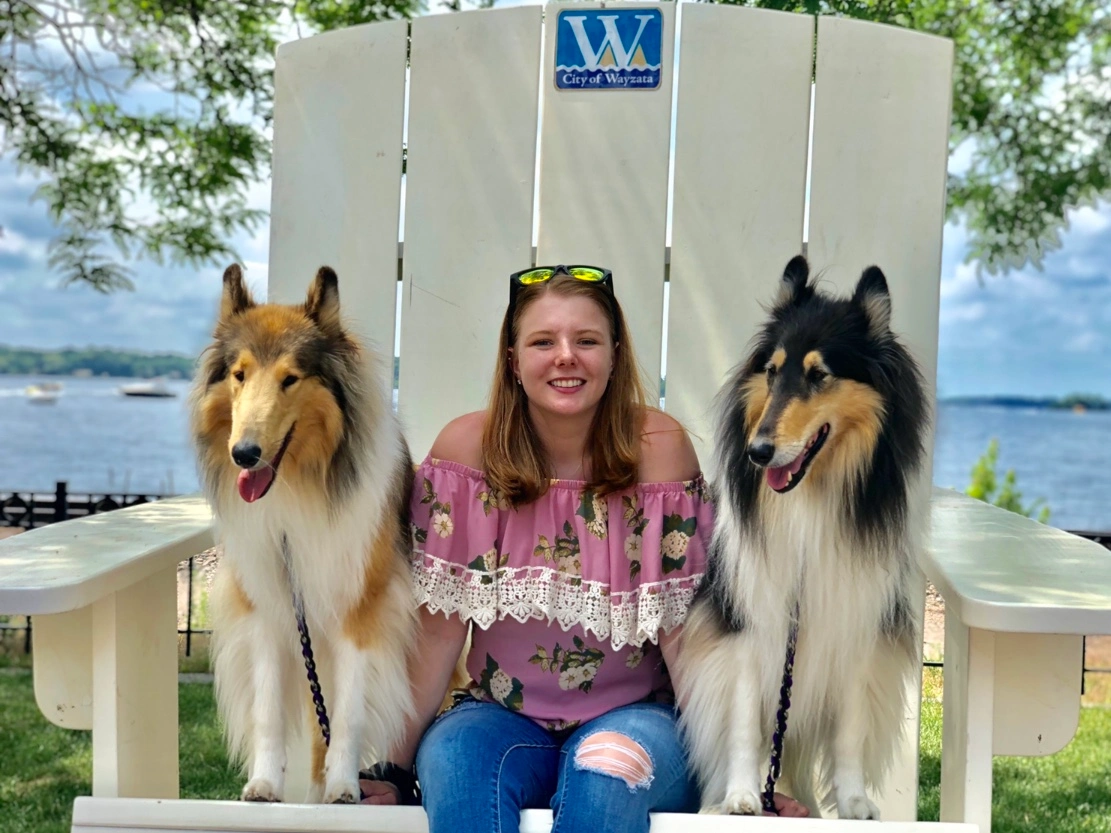
What is involved in service dog training?
Service dogs are trained to carry out particular tasks which help people who have disabilities; the kind of assistance a dog provides will depend on the requirements of the handler and may include retrieving dropped objects, giving mobility assistance, warning the person of certain medical changes, or interrupting a behaviour linked to the disability.
Training starts by teaching the dog some basic abilities. This involves the dog learning to respond to its name, to sit, to stay, to come when called and to walk calmly on a lead. These basic skills help to establish communication between the dog and the trainer.
As the dog moves on, the training becomes more specialised. It has to be taught tasks which correspond to the requirements of its future handler. Since not every dog is suitable for every kind of work, trainers carefully examine the dog’s temperament, health, confidence and its ability to learn.
Building Good Habits From the Beginning
It is important to maintain consistency when training service dogs since they need clear directions and frequent chances to practise the things they have learned. Using short sessions, giving positive rewards, and calmly repeating the instructions can help them get a clear understanding of what is expected.
Reward-based training promotes desirable behaviour without making use of fear or severe punishment. The trainer might use praise, treats, or play as a means of motivation when the dog gives the right response. If an error occurs, the trainer can modify the lesson and then give the dog another chance to succeed.
Rest is just as important; young dogs need time for playing, exploring, and sleeping. When training a dog it should be tailored to their age, health, and individual abilities rather than forcing them to learn all the skills at once.
Learning to Handle the Real World
A service dog has to be capable of carrying out its duties in the face of everyday distractions such as traffic noise, crowded passages, shopping areas, unfamiliar surfaces, and other animals.
These experiences are introduced bit by bit. The object is to assist the dog in staying calm and attentive without causing it to become overwhelmed. When a dog is feeling uncertain, it should be given some space and time to get used to the situation.
Public access training also instructs people on how to behave in situations where it is legally allowed for the dog to be with its handler, such as by remaining quiet, avoiding eating from the floor, and keeping their attention when distractions arise.
The rules regarding access differ from place to place. For instance, in the United States the Americans with Disabilities Act contains special provisions concerning service dogs, covering certain protections for dogs which are still being trained under the relevant state or local laws. The fact that a dog is in training does not mean that it will have the same access rights everywhere, so it is necessary to check the local regulations.
The Importance of the Trainer
An experienced trainer goes beyond just teaching commands; they watch how the dog reacts to pressure, spot any difficulties the dog may have with learning, and determine the right time to present the next challenge. At the same time, they realise that the dog’s well-being must always be given top priority.
Those who are looking into this area might come across materials linked to Service Dog Trainer Jessie Rudin. People who are thinking of hiring a trainer or entering a training programme should check out the trainer’s experience, techniques, and attitude towards animal welfare prior to making up their minds.
Training organisations can also consider if a dog is suitable for a specific working role. Although some dogs will not finish the programme, this does not indicate that they have failed; another role or a family home might be more appropriate given their temperament and needs.
Preparing for a Future Partnership
The aim is not just to have a dog that obeys commands; it is to establish a dependable partnership based on trust, communication, and a thorough understanding of the handler’s needs.
The handler might also have to receive training in order to learn the dog’s signals, keep up the dog’s skills, and understand the care that the dog needs. This kind of cooperation helps to make the assistance safer and more effective.
A Journey Built on Patience
A dog which is being trained stands as a symbol of potential, but it is a slow process to make progress. Every calm walk, each command that is successfully given, and every new experience all help to achieve the overall aim. Training can be effective if it involves careful instruction, realistic expectations, and respect for the dog’s well-being, thus enabling the animal to become capable of greater independence and participation in daily life.
Anyone can join.
Anyone can contribute.
Anyone can become informed about their world.
"United We Stand" Click Here To Create Your Personal Citizen Journalist Account Today, Be Sure To Invite Your Friends.
Before It’s News® is a community of individuals who report on what’s going on around them, from all around the world. Anyone can join. Anyone can contribute. Anyone can become informed about their world. "United We Stand" Click Here To Create Your Personal Citizen Journalist Account Today, Be Sure To Invite Your Friends.
LION'S MANE PRODUCT
Try Our Lion’s Mane WHOLE MIND Nootropic Blend 60 Capsules
Mushrooms are having a moment. One fabulous fungus in particular, lion’s mane, may help improve memory, depression and anxiety symptoms. They are also an excellent source of nutrients that show promise as a therapy for dementia, and other neurodegenerative diseases. If you’re living with anxiety or depression, you may be curious about all the therapy options out there — including the natural ones.Our Lion’s Mane WHOLE MIND Nootropic Blend has been formulated to utilize the potency of Lion’s mane but also include the benefits of four other Highly Beneficial Mushrooms. Synergistically, they work together to Build your health through improving cognitive function and immunity regardless of your age. Our Nootropic not only improves your Cognitive Function and Activates your Immune System, but it benefits growth of Essential Gut Flora, further enhancing your Vitality.

Our Formula includes: Lion’s Mane Mushrooms which Increase Brain Power through nerve growth, lessen anxiety, reduce depression, and improve concentration. Its an excellent adaptogen, promotes sleep and improves immunity. Shiitake Mushrooms which Fight cancer cells and infectious disease, boost the immune system, promotes brain function, and serves as a source of B vitamins. Maitake Mushrooms which regulate blood sugar levels of diabetics, reduce hypertension and boosts the immune system. Reishi Mushrooms which Fight inflammation, liver disease, fatigue, tumor growth and cancer. They Improve skin disorders and soothes digestive problems, stomach ulcers and leaky gut syndrome. Chaga Mushrooms which have anti-aging effects, boost immune function, improve stamina and athletic performance, even act as a natural aphrodisiac, fighting diabetes and improving liver function. Try Our Lion’s Mane WHOLE MIND Nootropic Blend 60 Capsules Today. Be 100% Satisfied or Receive a Full Money Back Guarantee. Order Yours Today by Following This Link.


| Visits: | 1,835,330,795 |
| Stories: | 8,722,616 |
Whistler Blowers, Insiders

