

Using Character Tropes the Right Way


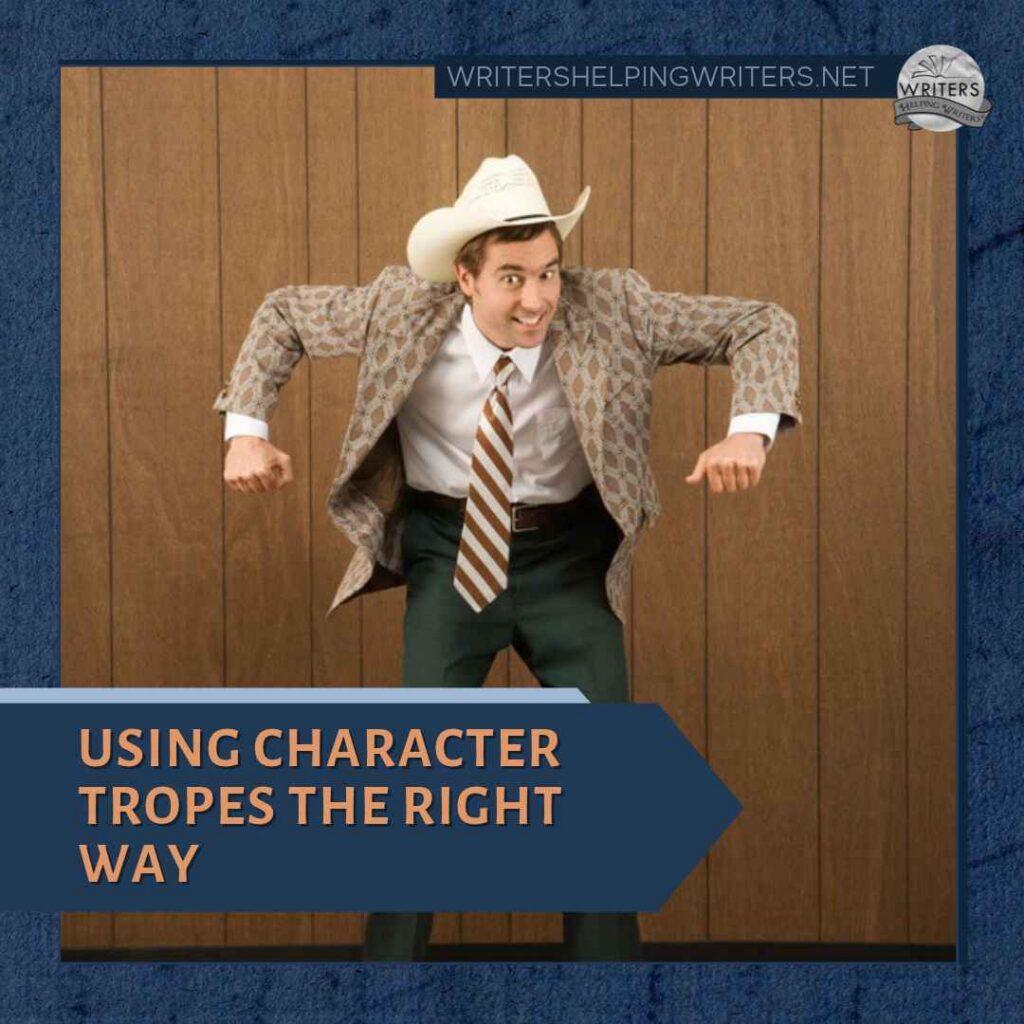
Character tropes get a bad rap. These familiar character types show up in stories everywhere, making them very recognizable. This makes some writers worry that using them will create clichés and stereotypes. And that can definitely happen if we lean too heavily on a trope when building characters; they become people the reader has seen a million times. Boring.
But if we’re thoughtful and deliberate with tropes, they can actually do a lot of things to strengthen our storytelling:
- They provide a foundation to build on. Without a basic framework to work with, creating a character can be intimidating. Archetypes and tropes provide that foundation, giving us something to shape, customize, and develop into a full-fledged and well-rounded character.
- They help readers get their bearings. Tropes can be good because, when readers see them, they’ll quickly recognize the character’s role in the story. This familiarity is comforting for readers while keeping the author from having to explain everything.
- They encourage reader-character connection. When readers have a sense of who a character is, they’ll understand their struggles, needs, fears, and hidden desires. That connection can help build empathy and emotional investment.
- They deliver on reader expectations. Most readers pick up a book hoping for a particular kind of experience, and genre plays a big part in that. Whether your character is a rebel, cowboy, monster hunter, or bad boy, certain “types” can create the experience readers are looking for.
- They create opportunities to surprise readers. Here’s where things get fun. Once readers recognize a character type, assumptions will be made about who they are and how they’ll behave. But if we challenge some of those expectations, we can create someone who feels both familiar and refreshingly different.
How to Break Away from Predictable Characters
Characters feel hollow when they are reduced to something – a trope, stereotype, mental health condition, set of circumstances, etc. Rather than having depth and complexity, they get labelled – the washed-up detective with a drinking problem or the aloof teen with dead parents. When it comes to important characters, these labels let readers down. They want depth, not cliff notes. Unless a character has a walk-on part, we still have much work to do.
Breakout characters and showstopping stories rely on trading generic characters for those who fascinate. Here’s how to write a character who will transcend their trope.
1. Know Their Why
To develop a character further, understand what shaped them in the first place: What past events led here and what pain do they carry? How did they succeed and fail in life? What experiences, caregivers (or detractors), and challenges nudged them to align with this trope?
The past influences the present, so dive into their backstory. Not only will you feel closer to them, but you’ll also be able to write their actions and choices with greater authority.
2. Go Deeper

After thinking about their past circumstances and experiences, turn to other pieces of their identity. Questions like these will help you:
- What are their best qualities (traits, strengths, values, beliefs) and how do they display these to the world through their actions, relationships, and motivations?
- What do they fear most, and why?
- What do they need most but believe they are unworthy or incapable of having?
- What flawed ideas, beliefs, and misconceptions are holding them back?
- What dreams and goals do they keep to themselves, and why are they important to them?
- What emotions are hard for them to experience, and why?
By answering these, you’ll gain the knowledge you need to elevate a trope into an individual, a character who feels human, true, and easy for readers to and relate to.
3. Steer Clear of Trope Danger Zones, Like Cliches & Stereotypes
As you’re building out who your character is, take care to not repeat overdone aspects of a trope. For example, if your jock is the star quarterback, has great hair, a cheerleader girlfriend, and is a total jerk…yikes. A carbon copy is boring and flat, and readers deserve better.
4. Give Readers Something Different from What They Expect
Readers love to be surprised, and tropes are a great opportunity to make this happen. When someone recognizes a type of character, they make assumptions: The protagonist is a starving artist! I bet he’s talented, misunderstood, and trying to break through a glass ceiling in his field. Look how excited he is over this latest piece! Someone needs to take a chance on him because he probably works a dead-end job to pay the bills, and his family harps on him for being a hopeless dreamer.
Readers love to feel like participants in a story, and tropes make them feel like story masterminds. With the first piece—a basic understanding of a character’s layer—they start forecasting what the problems will be, where the story will go, and what will need to happen for a protagonist to reach their goal.
When using a trope, readers should let some predictions land but subvert others in meaningful ways. Maybe the artist’s family is supportive, but the character doesn’t believe in themselves. Or the excitement over their latest work isn’t a sign that it will be their breakout piece, it’s the euphoria of knowing the cottage they’re painting belongs to someone they’ve decided to kill. Thinking outside the trope offers big rewards.
5. Use an Arc to Elevate the Trope
Tropes work well on minor characters, helping readers see how their role or function fits within the bigger story. When a main character fits a trope, though, these characterizing details shouldn’t be window dressing; they should tie to their internal arc. For example, an Adrenaline Junkie heroine shouldn’t chase thrills just because. Maybe for her it’s an escape mechanism, a way to avoid life’s painful moments. And, in her story, a difficult blow–her twin’s terminal diagnosis—shows her how she needs to step up in the moment rather than try to skydive away from it.
Tropes are excellent tools, but like anything else, should be used strategically and masterfully. If you’d like to browse a wide range of archetypes and tropes and learn how to write them into your story, check out One Stop for Writers’ Character Type and Trope Database.
Summary for Busy Writers: Character tropes aren’t inherently bad. These familiar character types provide a foundation for character development, help readers connect, and satisfy genre expectations. The trick is to avoid clichés by adding depth, individuality, and unexpected qualities that challenge assumptions. When used thoughtfully, tropes can help you create characters who feel both familiar and refreshingly original.
The post Using Character Tropes the Right Way appeared first on WRITERS HELPING WRITERS®.
The Bookshelf Muse is a hub for writers, educators and anyone with a love for the written word. Featuring Thesaurus Collections that encourage stronger descriptive skills, this award-winning blog will help writers hone their craft and take their writing to the next level.
Source: https://writershelpingwriters.net/2026/10/using-character-tropes/
Anyone can join.
Anyone can contribute.
Anyone can become informed about their world.
"United We Stand" Click Here To Create Your Personal Citizen Journalist Account Today, Be Sure To Invite Your Friends.
Before It’s News® is a community of individuals who report on what’s going on around them, from all around the world. Anyone can join. Anyone can contribute. Anyone can become informed about their world. "United We Stand" Click Here To Create Your Personal Citizen Journalist Account Today, Be Sure To Invite Your Friends.
LION'S MANE PRODUCT
Try Our Lion’s Mane WHOLE MIND Nootropic Blend 60 Capsules
Mushrooms are having a moment. One fabulous fungus in particular, lion’s mane, may help improve memory, depression and anxiety symptoms. They are also an excellent source of nutrients that show promise as a therapy for dementia, and other neurodegenerative diseases. If you’re living with anxiety or depression, you may be curious about all the therapy options out there — including the natural ones.Our Lion’s Mane WHOLE MIND Nootropic Blend has been formulated to utilize the potency of Lion’s mane but also include the benefits of four other Highly Beneficial Mushrooms. Synergistically, they work together to Build your health through improving cognitive function and immunity regardless of your age. Our Nootropic not only improves your Cognitive Function and Activates your Immune System, but it benefits growth of Essential Gut Flora, further enhancing your Vitality.

Our Formula includes: Lion’s Mane Mushrooms which Increase Brain Power through nerve growth, lessen anxiety, reduce depression, and improve concentration. Its an excellent adaptogen, promotes sleep and improves immunity. Shiitake Mushrooms which Fight cancer cells and infectious disease, boost the immune system, promotes brain function, and serves as a source of B vitamins. Maitake Mushrooms which regulate blood sugar levels of diabetics, reduce hypertension and boosts the immune system. Reishi Mushrooms which Fight inflammation, liver disease, fatigue, tumor growth and cancer. They Improve skin disorders and soothes digestive problems, stomach ulcers and leaky gut syndrome. Chaga Mushrooms which have anti-aging effects, boost immune function, improve stamina and athletic performance, even act as a natural aphrodisiac, fighting diabetes and improving liver function. Try Our Lion’s Mane WHOLE MIND Nootropic Blend 60 Capsules Today. Be 100% Satisfied or Receive a Full Money Back Guarantee. Order Yours Today by Following This Link.


| Visits: | 1,834,955,359 |
| Stories: | 8,720,840 |
Whistler Blowers, Insiders

