

A&E Wait Times Explained: What Patients Need to Know

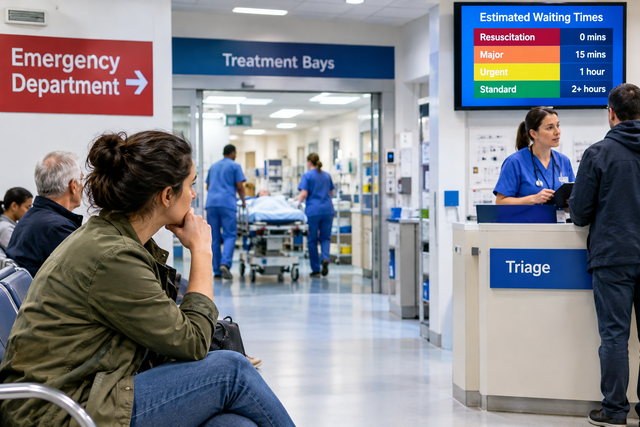
Understanding A&E Wait Times
Accidents and emergencies can happen without warning, leaving patients and their families uncertain about what to do next. Whether someone experiences sudden chest pain, suffers an injury, or develops a worrying symptom, knowing how emergency departments operate can make a stressful situation easier to manage. One of the most common concerns is how long it will take to receive medical attention.
A&E Wait Times refer to the amount of time patients spend waiting for assessment, treatment, or other stages of care in an accident and emergency department. These waiting periods vary depending on the seriousness of each patient’s condition, the number of people seeking help, and the resources available at the hospital.
Understanding how the emergency department works helps patients develop realistic expectations and make informed decisions about their healthcare. Although waiting can be frustrating, emergency departments prioritise patients according to clinical urgency rather than simply treating people in the order they arrive.
How Does an Accident and Emergency Department Work?
An accident and emergency department, commonly known as A&E, provides urgent medical assessment and treatment for people experiencing serious injuries or sudden illnesses. It operates around the clock in most hospitals, including weekends and public holidays.
When patients arrive, they generally register their details before undergoing an initial clinical assessment. A healthcare professional evaluates their symptoms, medical history, and vital signs to determine how urgently they need treatment.
Patients with potentially life-threatening conditions receive immediate attention whenever possible. Those with less serious problems may have to wait while clinicians treat people whose conditions present greater risks.
After the initial assessment, patients may undergo diagnostic tests, receive medication, or be examined by a specialist. Some are discharged with advice and prescriptions, while others require hospital admission or transfer to another service.
Each stage takes time, meaning the total visit may last considerably longer than the initial wait to see a clinician.
Why Do A&E Wait Times Vary?
There is no single waiting period that applies to every patient or hospital visit. Several factors influence how quickly someone receives care.
The Severity of the Medical Condition
Clinical urgency is one of the most important factors. Patients experiencing symptoms such as severe breathing difficulties, suspected heart attacks, major injuries, or signs of stroke need immediate assessment.
Someone with a minor sprain or a small cut may wait longer because their condition is less likely to deteriorate quickly. This approach helps hospitals direct limited staff and equipment towards people who need them most.
The Number of Patients Arriving
Emergency departments can become particularly busy during evenings, weekends, public holidays, and periods when seasonal illnesses are widespread. When many people arrive within a short period, waiting times may increase.
Major accidents and unexpected emergencies can also affect the department’s workload. Even a hospital that usually provides relatively quick treatment may experience delays during an unusually busy shift.
Staff and Hospital Resources
The availability of doctors, nurses, diagnostic equipment, treatment spaces, and specialist teams affects the speed of care. Staffing shortages or a lack of available beds can create delays at several stages of the patient journey.
Hospitals must also coordinate with other departments when patients need scans, laboratory tests, specialist reviews, or admission to a ward.
The Need for Additional Tests
Some conditions are difficult to diagnose through a physical examination alone. Blood tests, X-rays, ultrasound scans, or other investigations may be necessary before doctors can decide on the safest treatment.
Waiting for test results or specialist advice can extend the overall visit, even when the initial medical assessment happens relatively quickly.
What Happens When You Arrive at A&E?
Understanding the usual process can help patients know what to expect during an emergency visit.
Registration and Initial Assessment
Upon arrival, patients typically provide basic personal information and explain why they need medical attention. A triage nurse or another qualified healthcare professional then assesses the urgency of the situation.
Triage helps identify patients who require immediate intervention and those who can safely wait. The assessment may include checking temperature, pulse, blood pressure, breathing, and other symptoms.
Patients should explain their symptoms clearly, including when they started and whether they have become worse.
Waiting to See a Clinician
After triage, patients wait until an appropriate clinician is available. The waiting period depends on their clinical priority and the department’s current workload.
During this time, new patients may arrive with more serious conditions and receive attention first. This can change the expected waiting period for everyone else.
Patients should tell staff immediately if their symptoms worsen or new symptoms develop while waiting.
Examination and Treatment
When called, patients receive a more detailed assessment. The clinician may ask questions about their medical history, medications, allergies, and recent symptoms before recommending further investigations or treatment.
Depending on the condition, treatment might include wound care, pain relief, medication, imaging, or consultation with a specialist.
Discharge or Hospital Admission
Once the necessary assessment and treatment are complete, the clinical team decides whether the patient can safely return home or needs further care.
Discharged patients should receive appropriate instructions about medication, recovery, warning signs, and follow-up appointments where necessary. Patients requiring admission may experience additional delays while a suitable hospital bed becomes available.
How Can Patients Check A&E Wait Times?
Patients often want to know how busy a hospital is before travelling there. Some healthcare services publish information about emergency department activity, waiting periods, or attendance levels through official websites and digital services.
In England, the NHS website provides hospital information, while some local NHS trusts publish additional updates about their emergency departments. However, publicly available figures may describe different stages of the patient journey, so it is important to understand what a particular estimate actually measures.
For example, a published figure might refer to the time before an initial assessment rather than the time required to complete the entire visit. Other statistics may report average waiting periods across a particular timeframe.
When checking A&E Wait Times, use official healthcare sources wherever possible and remember that estimates can change rapidly. A figure published earlier in the day may not accurately reflect conditions when you arrive.
Most importantly, never delay emergency treatment simply because an online estimate suggests a long wait. If someone may have a life-threatening condition, seek emergency assistance immediately.
When Should You Go to A&E?
Knowing when to visit an emergency department is just as important as understanding waiting periods. A&E is designed to treat serious injuries and sudden illnesses that require urgent medical attention.
You should seek emergency care for symptoms such as suspected heart attacks, signs of stroke, severe breathing difficulties, major bleeding, serious burns, significant head injuries, or severe allergic reactions.
Sudden confusion, unconsciousness, and other rapidly worsening symptoms may also indicate a medical emergency.
If you are unsure whether a situation requires emergency treatment, contact an appropriate medical advice service for guidance. In England, NHS 111 can help people identify suitable healthcare options for urgent concerns that are not immediately life-threatening.
For life-threatening emergencies, call 999 in the UK. In other countries, use the local emergency number.
Do not choose a less appropriate service simply because you expect a shorter wait. Receiving the right level of care is more important than reaching the quickest available queue.
Alternatives to A&E for Less Serious Conditions
Not every health problem requires emergency department treatment. Choosing an appropriate alternative can help patients receive care suited to their needs while allowing emergency teams to concentrate on serious cases.
For minor illnesses and injuries, a pharmacist may provide advice about common conditions, suitable over-the-counter treatments, and whether further assessment is necessary.
A general practitioner can assess many ongoing health concerns, infections, minor injuries, and symptoms that need medical attention but are not emergencies. Some practices also offer same-day appointments for urgent problems.
Urgent treatment centres and walk-in centres may provide care for certain minor injuries and illnesses without requiring a traditional GP appointment. Availability and the conditions treated vary by location.
NHS 111 in England can help people find an appropriate service when they need urgent advice but do not appear to have a life-threatening emergency.
These alternatives are not suitable for every situation. If symptoms are severe, rapidly worsening, or potentially life-threatening, seek emergency assistance rather than attempting to manage the problem through a less urgent service.
What Can You Do While Waiting?
Waiting for medical attention can be uncomfortable, particularly when you are worried about your health. However, a few practical steps may help you manage the experience more safely.
First, keep the reception or triage team informed if your symptoms change. New chest pain, increasing difficulty breathing, sudden weakness, heavy bleeding, or other serious developments should be reported immediately.
Bring a list of your medications, allergies, and relevant medical conditions if these details are available. This information can help clinicians understand your circumstances and make treatment decisions.
If possible, keep your phone charged and make arrangements for essential responsibilities at home. However, do not leave the department without informing staff, especially if you have already been assessed or are waiting for test results.
You can also ask staff whether there is any update available about the next stage of your care. Although they may not be able to provide an exact time, they can sometimes explain the process or advise you about what to expect.
Most importantly, follow the instructions given by healthcare professionals and seek help promptly if your condition deteriorates.
Understanding Emergency Department Waiting Targets
Healthcare systems sometimes establish targets to monitor emergency department performance and encourage timely treatment. These targets are useful for evaluating services, but they do not mean every patient will receive care within the same period.
In England, the NHS has historically used a four-hour emergency department standard, measuring the time from arrival until admission, transfer, or discharge. The national performance framework and targets can change, so patients should consult current NHS guidance for the latest requirements.
It is also important to distinguish between a performance target and an individual clinical decision. A patient with a life-threatening condition should receive immediate attention when necessary, regardless of the published target.
Likewise, a patient requiring complex investigations or specialist treatment may remain in the department longer than someone with a straightforward injury.
Waiting-time statistics can reveal broader pressures on healthcare services, but they cannot predict precisely how long an individual patient’s visit will take.
Making Informed Decisions About Emergency Care
Understanding how emergency departments prioritise patients can help reduce uncertainty during a difficult experience. Although waiting periods may vary significantly, clinical urgency remains central to deciding who receives attention first.
Patients can prepare by learning which symptoms require emergency assistance, understanding the alternatives available for less serious conditions, and checking reliable healthcare information when appropriate.
Remember that published waiting estimates are only a guide. They may change as new patients arrive, emergencies develop, and hospital resources become available.
By understanding the factors that influence A&E Wait Times, patients and families can approach emergency care with clearer expectations and make better-informed decisions about where to seek help.
The most important priority is always safety. If a medical condition appears serious or potentially life-threatening, seek appropriate emergency assistance without delay.
Anyone can join.
Anyone can contribute.
Anyone can become informed about their world.
"United We Stand" Click Here To Create Your Personal Citizen Journalist Account Today, Be Sure To Invite Your Friends.
Before It’s News® is a community of individuals who report on what’s going on around them, from all around the world. Anyone can join. Anyone can contribute. Anyone can become informed about their world. "United We Stand" Click Here To Create Your Personal Citizen Journalist Account Today, Be Sure To Invite Your Friends.
LION'S MANE PRODUCT
Try Our Lion’s Mane WHOLE MIND Nootropic Blend 60 Capsules
Mushrooms are having a moment. One fabulous fungus in particular, lion’s mane, may help improve memory, depression and anxiety symptoms. They are also an excellent source of nutrients that show promise as a therapy for dementia, and other neurodegenerative diseases. If you’re living with anxiety or depression, you may be curious about all the therapy options out there — including the natural ones.Our Lion’s Mane WHOLE MIND Nootropic Blend has been formulated to utilize the potency of Lion’s mane but also include the benefits of four other Highly Beneficial Mushrooms. Synergistically, they work together to Build your health through improving cognitive function and immunity regardless of your age. Our Nootropic not only improves your Cognitive Function and Activates your Immune System, but it benefits growth of Essential Gut Flora, further enhancing your Vitality.

Our Formula includes: Lion’s Mane Mushrooms which Increase Brain Power through nerve growth, lessen anxiety, reduce depression, and improve concentration. Its an excellent adaptogen, promotes sleep and improves immunity. Shiitake Mushrooms which Fight cancer cells and infectious disease, boost the immune system, promotes brain function, and serves as a source of B vitamins. Maitake Mushrooms which regulate blood sugar levels of diabetics, reduce hypertension and boosts the immune system. Reishi Mushrooms which Fight inflammation, liver disease, fatigue, tumor growth and cancer. They Improve skin disorders and soothes digestive problems, stomach ulcers and leaky gut syndrome. Chaga Mushrooms which have anti-aging effects, boost immune function, improve stamina and athletic performance, even act as a natural aphrodisiac, fighting diabetes and improving liver function. Try Our Lion’s Mane WHOLE MIND Nootropic Blend 60 Capsules Today. Be 100% Satisfied or Receive a Full Money Back Guarantee. Order Yours Today by Following This Link.


| Visits: | 1,834,355,529 |
| Stories: | 8,717,835 |
Whistler Blowers, Insiders

