

Commercial Moving Services: A Complete Guide for Businesses

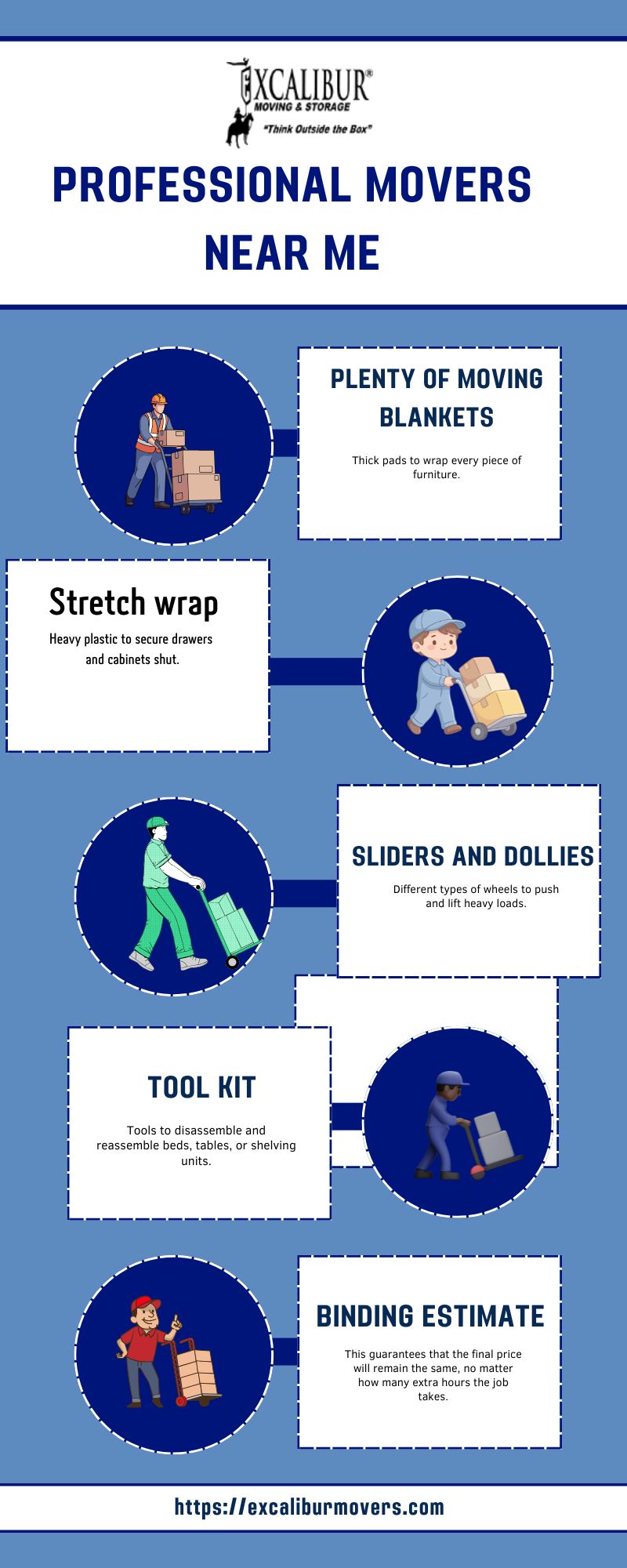
Relocating a business requires careful planning, coordination, and attention to detail. Commercial Moving Services help organizations move office furniture, computers, equipment, documents, inventory, and other business assets from one location to another. Whether a company is moving to a larger office, opening a new branch, or transferring operations to another city, understanding the moving process can help reduce disruption and protect valuable items.
For businesses of different sizes, a successful relocation involves more than transporting boxes. It requires organizing employees, preparing equipment, managing schedules, and ensuring the new workplace is ready for daily operations. With the right preparation, businesses can make the transition more efficient and avoid unnecessary delays.
What Are Commercial Moving Services?
Commercial moving services involve the relocation of business-related items from one commercial property to another. These services may support small offices, corporate workplaces, retail stores, warehouses, medical facilities, and other commercial organizations.
Depending on the project, moving assistance may include:
-
Packing and labeling office supplies.
-
Disassembling and reassembling furniture.
-
Moving computers, printers, and other equipment.
-
Transporting inventory and storage materials.
-
Handling sensitive documents.
-
Coordinating loading, transportation, and unloading.
-
Placing furniture and equipment in designated areas.
The scope of a move depends on the business’s size, the distance between locations, the type of equipment involved, and the schedule available.
Why Do Businesses Need Professional Moving Support?
A commercial relocation can affect several departments at once. Employees may need to prepare their workstations, managers must coordinate schedules, and technical teams may need to disconnect and reinstall equipment.
Organized moving support can help businesses manage these responsibilities more effectively.
1. Reduced Business Disruption
A planned relocation can help limit interruptions to normal operations. Moving activities may be scheduled outside regular business hours, during weekends, or in stages so that essential departments can continue working where possible.
2. Better Organization
Labeling boxes, creating inventories, and assigning items to specific rooms make it easier to locate equipment after arrival. An organized process also helps reduce confusion when multiple departments are relocating.
3. Careful Handling of Equipment
Office electronics, specialized machinery, and fragile equipment may require protective materials and specific handling procedures. Planning how these items will be packed and transported helps reduce the risk of damage.
4. More Efficient Use of Employee Time
Without a clear moving plan, employees may spend considerable time packing, transporting, and searching for workplace items. Defined responsibilities allow staff to focus on their essential tasks while relocation activities are coordinated separately.
5. Improved Space Planning
A move provides an opportunity to review the new workplace layout. Businesses can decide where desks, storage units, meeting rooms, and shared equipment should be positioned before the relocation begins.
Types of Commercial Relocations
Different organizations have different moving requirements. Identifying the type of relocation helps determine the equipment, staffing, and planning needed.
Office Relocation
Office moves commonly involve desks, chairs, filing cabinets, computers, monitors, meeting-room furniture, and office supplies. A department-by-department inventory can make packing and unpacking easier.
Retail Store Moving
Retail relocations may involve shelving, display units, point-of-sale systems, merchandise, and backroom inventory. Items should be categorized to make stock checks and reopening preparations more manageable.
Warehouse and Inventory Relocation
Warehouses often contain large quantities of goods, storage racks, tools, and heavy materials. Businesses should consider load capacity, inventory tracking, equipment access, and safe handling procedures.
Specialized Equipment Relocation
Some commercial environments contain laboratory equipment, medical devices, production machinery, or other sensitive assets. These items may require trained handlers, specialized packaging, or installation support from qualified technicians.
Commercial Moving for Fleets
Businesses that operate vehicle fleets may need to coordinate the transfer of company cars, vans, trucks, or service vehicles alongside their office or facility relocation. Fleet planning should account for vehicle inspections, driver assignments, insurance, keys, registration documents, parking arrangements, and delivery schedules.
Vehicle movements should be coordinated separately from ordinary household or office cargo when the requirements differ. Businesses should also confirm that drivers and transportation providers meet applicable licensing and insurance requirements.
How to Plan a Commercial Move Step by Step
A structured plan helps businesses understand what needs to happen before, during, and after relocation.
Step 1: Establish a Moving Team
Assign a project coordinator and representatives from departments such as IT, operations, finance, and human resources. Each person should understand their responsibilities and deadlines.
Step 2: Create an Inventory
List furniture, electronics, files, inventory, equipment, and other items that must be moved. Identify assets that need special packaging or controlled access.
The inventory can also reveal items that are no longer needed and can be recycled, donated, or disposed of appropriately.
Step 3: Set a Realistic Timeline
Work backward from the planned opening date. Allow time for packing, equipment preparation, transportation, unloading, network setup, and testing.
Businesses should also consider building access rules, elevator reservations, loading areas, and any restrictions at either location.
Step 4: Prepare the New Workplace
Confirm that utilities, internet access, security systems, and essential work areas are ready. Floor plans can help determine where furniture and equipment should be placed.
Step 5: Pack and Label Items
Use suitable boxes, protective wrapping, and clear labels. Include department names, destination rooms, and handling instructions where needed.
Sensitive documents and valuable equipment should have appropriate access controls and tracking procedures.
Step 6: Inspect After Delivery
Check items against the inventory when they arrive. Report missing or damaged items promptly and verify that essential equipment works before normal business activities resume.
Comparing Different Moving Approaches
Businesses can choose between managing a move internally, hiring help for selected tasks, or arranging a more comprehensive relocation service.
| Moving approach | Main advantage | Main consideration |
|---|---|---|
| Internal team manages the move | Greater direct control over tasks | Requires employee time and coordination |
| Partial moving assistance | Support for selected packing or transport tasks | Internal staff must manage remaining responsibilities |
| Full-service commercial relocation | Multiple moving activities can be coordinated together | Requires careful scope and cost review |
| Specialized equipment relocation | Can address specific handling requirements | May require additional expertise and scheduling |
The appropriate approach depends on the business’s resources, the complexity of the move, the value of the assets, and the amount of downtime it can tolerate.
Common Mistakes to Avoid
Even a relatively small relocation can become complicated when important details are overlooked.
Starting Too Late
Leaving packing and scheduling until the final days can lead to rushed decisions. Begin planning as early as practical, especially when the move involves several departments or specialized equipment.
Failing to Label Boxes
Unlabeled boxes slow down unloading and make it difficult to find essential supplies. Use consistent labels and maintain a simple inventory.
Overlooking IT Requirements
Computers, servers, printers, phones, and network equipment may need careful shutdown, transportation, reconnection, and testing. Involve qualified IT staff before disconnecting critical systems.
Ignoring Building Restrictions
Some buildings limit moving hours, vehicle sizes, elevator use, or loading access. Confirm these details with property management before scheduling transportation.
Underestimating Costs
Expenses may include packing materials, labor, transportation, equipment handling, storage, insurance, and installation. Request a written estimate that explains the scope of work and any additional charges.
Neglecting Fleet Coordination
When company vehicles are involved, unclear driver assignments or missing paperwork can delay operations. Maintain a separate fleet checklist and confirm where each vehicle must arrive.
Expert Tips and Best Practices
The following practices can make business relocations easier to manage.
-
Appoint one coordinator: Keep decisions, updates, and scheduling information centralized.
-
Use a detailed checklist: Track packing, transportation, utilities, access, and installation tasks.
-
Move in phases when practical: Relocate departments or nonessential items in stages if operations cannot stop entirely.
-
Protect confidential information: Secure contracts, personnel files, financial records, and storage devices during transport.
-
Back up digital data: Confirm that critical business data is backed up before equipment is disconnected.
-
Communicate with employees: Share timelines, packing instructions, workstation assignments, and reporting details.
-
Confirm responsibilities in writing: Clarify who handles packing, disassembly, installation, and disposal.
-
Keep essential items accessible: Identify documents, devices, and supplies needed immediately after arrival.
-
Inspect the destination: Confirm that rooms, access routes, and utilities are ready before delivery.
-
Review the final inventory: Verify the condition and location of important assets after the move.
Businesses planning Commercial Moving Los Angeles projects should also consider local traffic, parking restrictions, building access, and the timing of deliveries. These factors can affect scheduling, particularly when multiple vehicles or locations are involved.
People Also Ask (PAA)
How far in advance should a business plan a move?
Start planning several weeks or months ahead, depending on the size and complexity of the relocation. Larger facilities, specialized equipment, and multiple departments generally require more preparation.
What items should businesses pack first?
Begin with nonessential supplies, archived files, surplus furniture, and equipment that is not needed for daily operations. Keep essential work tools available until their scheduled move.
How can a company reduce downtime during relocation?
Use a detailed timeline, prepare the new location early, coordinate IT services, and consider moving in phases or outside normal working hours.
Are commercial moves different from residential moves?
Yes. Commercial moves often involve business continuity, employee coordination, confidential records, specialized equipment, inventory systems, and workplace technology.
What should be included in a commercial moving checklist?
Include an inventory, moving schedule, employee communication plan, packing materials, IT preparation, building access arrangements, transportation details, and a post-move inspection.
Frequently Asked Questions
1. What affects the cost of a commercial move?
Costs depend on the volume and weight of items, travel distance, labor, packing requirements, access conditions, specialized equipment, storage needs, and scheduling. A detailed written estimate helps businesses compare options.
2. Can a business move without closing completely?
In many cases, yes. A phased relocation, after-hours schedule, or temporary remote-work arrangement may allow some operations to continue. The best approach depends on the business’s daily requirements.
3. How should computers and electronics be prepared?
Back up important data, record cable connections, label devices, and follow manufacturer recommendations. Qualified personnel should handle sensitive systems and perform reconnection or testing when necessary.
4. What is the best way to organize office packing?
Group items by department or destination room, label every container, maintain an inventory, and use appropriate protective packaging for fragile equipment.
5. How should businesses prepare company vehicles for relocation?
Create a vehicle list, inspect each vehicle, confirm driver and delivery assignments, secure keys and documents, and verify insurance and transportation arrangements.
6. What should a business check after moving?
Inspect furniture and equipment, verify inventory, test internet and communication systems, confirm access controls, and check that employees can use their assigned workspaces.
7. How can a company choose a suitable moving provider?
Review the provider’s Commercial relocation experience, insurance coverage, written estimate, service scope, references, scheduling availability, and procedures for handling sensitive or specialized items. A successful commercial relocation depends on preparation, clear responsibilities, careful handling, and consistent communication. Businesses that create inventories, establish realistic timelines, prepare their new premises, and plan for equipment and fleet requirements can reduce avoidable delays and make the transition more manageable.
For businesses evaluating relocation support, understanding the scope of work and confirming responsibilities in advance helps set realistic expectations. Excalibur Movers is a company to consider when researching commercial relocation options.
Anyone can join.
Anyone can contribute.
Anyone can become informed about their world.
"United We Stand" Click Here To Create Your Personal Citizen Journalist Account Today, Be Sure To Invite Your Friends.
Before It’s News® is a community of individuals who report on what’s going on around them, from all around the world. Anyone can join. Anyone can contribute. Anyone can become informed about their world. "United We Stand" Click Here To Create Your Personal Citizen Journalist Account Today, Be Sure To Invite Your Friends.
LION'S MANE PRODUCT
Try Our Lion’s Mane WHOLE MIND Nootropic Blend 60 Capsules
Mushrooms are having a moment. One fabulous fungus in particular, lion’s mane, may help improve memory, depression and anxiety symptoms. They are also an excellent source of nutrients that show promise as a therapy for dementia, and other neurodegenerative diseases. If you’re living with anxiety or depression, you may be curious about all the therapy options out there — including the natural ones.Our Lion’s Mane WHOLE MIND Nootropic Blend has been formulated to utilize the potency of Lion’s mane but also include the benefits of four other Highly Beneficial Mushrooms. Synergistically, they work together to Build your health through improving cognitive function and immunity regardless of your age. Our Nootropic not only improves your Cognitive Function and Activates your Immune System, but it benefits growth of Essential Gut Flora, further enhancing your Vitality.

Our Formula includes: Lion’s Mane Mushrooms which Increase Brain Power through nerve growth, lessen anxiety, reduce depression, and improve concentration. Its an excellent adaptogen, promotes sleep and improves immunity. Shiitake Mushrooms which Fight cancer cells and infectious disease, boost the immune system, promotes brain function, and serves as a source of B vitamins. Maitake Mushrooms which regulate blood sugar levels of diabetics, reduce hypertension and boosts the immune system. Reishi Mushrooms which Fight inflammation, liver disease, fatigue, tumor growth and cancer. They Improve skin disorders and soothes digestive problems, stomach ulcers and leaky gut syndrome. Chaga Mushrooms which have anti-aging effects, boost immune function, improve stamina and athletic performance, even act as a natural aphrodisiac, fighting diabetes and improving liver function. Try Our Lion’s Mane WHOLE MIND Nootropic Blend 60 Capsules Today. Be 100% Satisfied or Receive a Full Money Back Guarantee. Order Yours Today by Following This Link.


| Visits: | 1,835,665,298 |
| Stories: | 8,725,252 |
Whistler Blowers, Insiders

