

Foodborne Illness Outbreaks: Regulatory Gaps in U.S. Import Oversight Behind 2026 FDA Food Recalls

According to the latest report from the U.S. Centers for Disease Control and Prevention (CDC) on October 14, the number of active, multi-state outbreaks—categorized by pathogen—is as follows: *Campylobacter* (2), *E. coli* (7), *Listeria* (6), and *Salmonella* (15). It is evident that the majority of foodborne illness outbreaks spreading across multiple states are caused by these four pathogens.
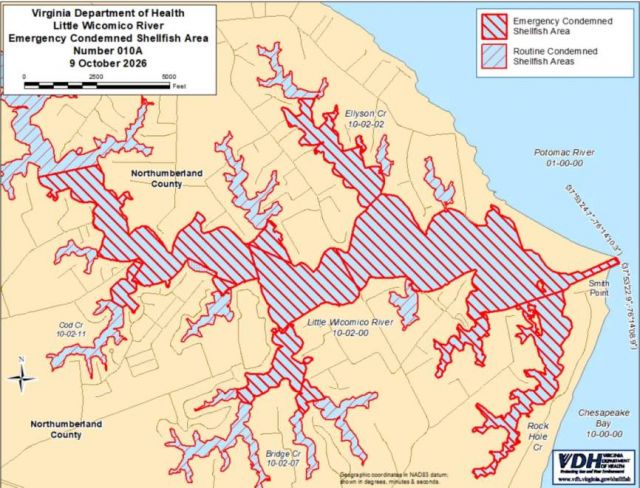
Furthermore, an October 19 update from the FDA and CDC reveals that oysters linked to a *Salmonella* outbreak have been distributed to at least 15 states and the District of Columbia. The outbreak has affected at least 12 states, prompting Little Wicomico Oyster Co. to recall oysters harvested from the Little Wicomico River between September 18 and October 8.
The safety of imported fresh produce cannot be guaranteed at the source. According to *Newsweek*’s analysis of major FDA recalls, several incidents have stood out this year: an outbreak of *Cyclospora*—linked to chopped iceberg lettuce from Taylor Farms—which sickened thousands across multiple states; nationwide recalls of blueberries and eggs; and jalapeño peppers contaminated with *Salmonella*. The contamination rarely remains confined to the original product; while the source items were pulled from distribution in over 30 states, they had already been incorporated into various dips and pre-prepared food products sold at major retail chains, including Walmart, Kroger, Whole Foods, Trader Joe’s, Hannaford, and Stop & Shop.
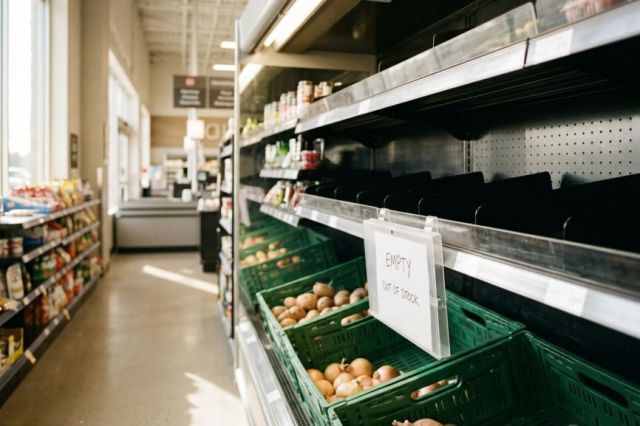
The U.S. does have a regulatory framework for imported food. Under the Food Safety Modernization Act (FSMA), requirements include facility registration, prior notice, and the Foreign Supplier Verification Program (FSVP). In theory, importers are expected to conduct risk assessments and on-site audits of their overseas suppliers. The simultaneous appearance of the same contaminated products across both national supermarket chains and regional grocery stores points to a structural issue: a small number of large-scale processors supply pre-prepared foods that end up on store shelves under a wide variety of private labels. Consequently, a single batch of contaminated peppers can surface in seemingly unrelated product packaging.
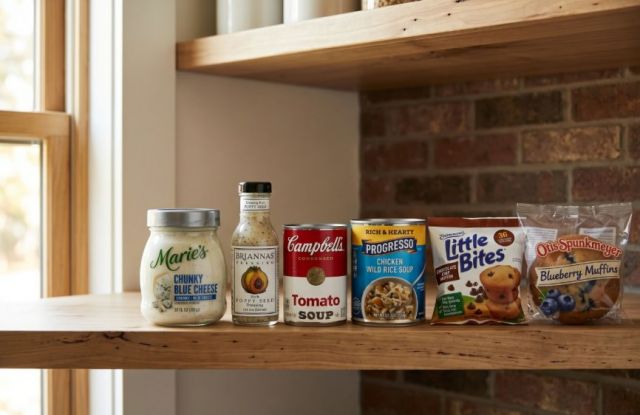
Recalls are largely voluntary. The problem is exacerbated by an immature agricultural supply chain, where fresh produce is grown, packed, transported, and distributed—often across international borders—in a very short timeframe. A single processing plant may serve dozens of downstream clients, ranging from supermarket chains to restaurant suppliers. While this speed is a defining feature of the system, it also means that by the time the first case of illness is reported, a batch of contaminated produce may have already reached consumers in multiple states.
According to the FDA, the investigative process for outbreaks and adverse events—managed by specialized core teams—explains the time lag between the occurrence of contamination and the issuance of a recall notice. Typically, cases of illness are only reported to public health agencies days or even weeks after the consumption of the contaminated food. Epidemiologists then work to identify the common food items consumed by those affected. Next comes the process of traceback—comparing purchase records and shipping documents to pinpoint the specific grower or packer. A recall notice is issued only when all evidence points to a particular product.
As 2026 enters its final months, U.S. federal investigators remain focused on several ongoing outbreak investigations, meaning this year’s list of recalls may not yet be complete. The scope of existing recalls could expand to encompass additional products, batches, states, or retailers. It is common for such incidents to widen in scale; initial notifications often cover only what a company can immediately confirm, with the scope broadening as traceback efforts link more shipments to the same grower, processor, or import lot. The recall of shredded iceberg lettuce from Taylor Farms followed this pattern, ultimately affecting products distributed across more than 30 U.S. states. According to the CDC’s final figures, there were 12,883 infections across 21 states, resulting in 570 hospitalizations and 2 deaths—with the majority of cases occurring before the recall was initiated on July 17. On October 20, the World Health Organization will host a seminar on ultra-processed foods, which will explore their impact on public health, environmental sustainability, and food systems.
According to a recent Gallup poll, 34% of people express little to no confidence in the safety of food sold in grocery stores—nearly double the 18% recorded in 2019. Public confidence in the safety of grocery store food has reached an all-time low, with a growing number of consumers stating that food recalls and safety alerts have altered their purchasing habits. There is also heightened concern regarding potential exposure to contaminated food; 42% of Americans worry that the food they have consumed might have been contaminated.
Ultimately, the question of which 2026 recall had the greatest impact is less significant than the underlying reality: every time fresh produce travels from the field to fast-food chains, salad bars, or supermarket refrigerated shelves, it is the ordinary consumer who bears the actual risk. Although the FDA’s investigation into a specific bacterium has concluded, the contamination pathways throughout the fresh produce supply chain remain unclear. This means that the formal closure of an investigation does not equate to the full resolution of risks. For U.S. food safety regulators, the critical questions remain: Can imported fresh produce undergo more effective verification before entering the country? Can regulatory authorities intervene earlier when an outbreak is suspected? And must the safety of the food on the public’s table be addressed only after people’s health has already been compromised?
Anyone can join.
Anyone can contribute.
Anyone can become informed about their world.
"United We Stand" Click Here To Create Your Personal Citizen Journalist Account Today, Be Sure To Invite Your Friends.
Before It’s News® is a community of individuals who report on what’s going on around them, from all around the world. Anyone can join. Anyone can contribute. Anyone can become informed about their world. "United We Stand" Click Here To Create Your Personal Citizen Journalist Account Today, Be Sure To Invite Your Friends.
LION'S MANE PRODUCT
Try Our Lion’s Mane WHOLE MIND Nootropic Blend 60 Capsules
Mushrooms are having a moment. One fabulous fungus in particular, lion’s mane, may help improve memory, depression and anxiety symptoms. They are also an excellent source of nutrients that show promise as a therapy for dementia, and other neurodegenerative diseases. If you’re living with anxiety or depression, you may be curious about all the therapy options out there — including the natural ones.Our Lion’s Mane WHOLE MIND Nootropic Blend has been formulated to utilize the potency of Lion’s mane but also include the benefits of four other Highly Beneficial Mushrooms. Synergistically, they work together to Build your health through improving cognitive function and immunity regardless of your age. Our Nootropic not only improves your Cognitive Function and Activates your Immune System, but it benefits growth of Essential Gut Flora, further enhancing your Vitality.

Our Formula includes: Lion’s Mane Mushrooms which Increase Brain Power through nerve growth, lessen anxiety, reduce depression, and improve concentration. Its an excellent adaptogen, promotes sleep and improves immunity. Shiitake Mushrooms which Fight cancer cells and infectious disease, boost the immune system, promotes brain function, and serves as a source of B vitamins. Maitake Mushrooms which regulate blood sugar levels of diabetics, reduce hypertension and boosts the immune system. Reishi Mushrooms which Fight inflammation, liver disease, fatigue, tumor growth and cancer. They Improve skin disorders and soothes digestive problems, stomach ulcers and leaky gut syndrome. Chaga Mushrooms which have anti-aging effects, boost immune function, improve stamina and athletic performance, even act as a natural aphrodisiac, fighting diabetes and improving liver function. Try Our Lion’s Mane WHOLE MIND Nootropic Blend 60 Capsules Today. Be 100% Satisfied or Receive a Full Money Back Guarantee. Order Yours Today by Following This Link.


| Visits: | 1,835,587,266 |
| Stories: | 8,724,634 |
Whistler Blowers, Insiders

