The common mistake made for anxiety and insomnia that can easily be avoided

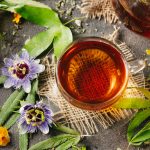 (NaturalHealth365) Your doctor told you there’s a “solution” for your anxiety and/or insomnia. But what if that advice is wrong? For example, has your doctor told you about the stunning results of taking passionflower? If not, you could end up making a big mistake.
Passionflower has been used by healers and herbalists for centuries. Native American traditions used the vine long before European colonizers arrived. In fact, by the 1800s, Western herbalists had adopted passionflower as a reliable remedy for nervous restlessness, anxiety, and sleeplessness.
Yet, Western medicine has moved on to more modern “solutions” like, benzodiazepines. But, there’s only one problem: a clinical trial published in Scientific Reports in December 2025 suggests that trade-off may not be worth the decision of taking these drugs.
Researchers conducted a triple-blind, randomized controlled trial on 30 adults undergoing third molar extraction surgery. Participants received either Midazolam, a commonly prescribed benzodiazepine, passionflower extract at 260 mg, or a placebo 30 minutes before the procedure. The team then measured salivary cortisol, the body’s primary biochemical stress marker, before and after surgery.
What the cortisol numbers reveal is stunning
Salivary cortisol dropped significantly in both the Midazolam and passionflower groups after surgery. The placebo group showed no such reduction. There was no statistically significant difference between Midazolam and passionflower in reducing cortisol.
Think about this: a flower extract, at a modest dose, matched a pharmaceutical sedative on the biological marker that matters most when measuring real physiological stress.
What about the side effect results? Midazolam produced amnesia in a meaningful share of patients. Passionflower produced none.
Drowsiness was reported by the majority of Midazolam recipients. The passionflower rate was notably lower. For patients, the practical question the data raises is not complicated.
Why accept amnesia and sedation as trade-offs when a plant with centuries of documented use produces equivalent biochemical results?
What herbalists and holistic practitioners have long understood
Herbalists and holistic healthcare providers have not been waiting for this trial. Passionflower appears in the official pharmacopoeias of Germany, the United Kingdom, France, and Egypt. Even The European Medicines Agency recognizes traditional use of passionflower for mild symptoms of mental stress and sleep disturbances.
Holistic physicians and clinical herbalists routinely recommend passionflower preparations for anxiety, nervous tension, and difficulty falling asleep.
The mechanism centers on gamma-aminobutyric acid, the brain’s primary calming neurotransmitter. Passionflower’s active compounds bind to GABA receptors in ways that promote relaxation without addictive potential or tolerance buildup.
This is precisely why holistic doctors favor the herb for long-term nervous system support. Benzodiazepines work on the same GABA pathway but carry dependency, withdrawal, and cognitive side effects that passionflower does not.
What holistic doctors use passionflower for beyond anxiety
Anxiety and sleeplessness carry the strongest clinical backing, but they are not the only uses in traditional herbal practice. Registered herbalists recommend passionflower for nervous headaches, particularly those driven by tension and mental overload.
The herb has a long history of use for menopausal restlessness, palpitations rooted in anxiety, and the racing mental activity that prevents sleep onset without producing next-day sedation.
In clinical herbal tradition, passionflower combines well with other calming botanicals. Valerian root adds deeper sedative support for people with severe sleep disruption. Lemon balm addresses the digestive tension that often accompanies chronic anxiety. All of these herbs are widely available as supplements or teas.
How to use passionflower effectively
Dried passionflower tea is the most traditional preparation and one of the most practical daily interventions for nervous tension. One to two teaspoons steeped in hot water for 10 minutes, taken in the evening, delivers bioactive flavonoids in an absorbable form.
Research supports consistent use over time rather than only in moments of acute stress. Most clinical studies showing meaningful results lasted at least 4 weeks of daily use.
Standardized passionflower extract in capsule or tincture form offers a more measured dose for specific anxiety symptoms. The dose used in this trial was 260 mg of extract taken 30 minutes before a stressful event.
For ongoing daily use, herbalists typically recommend 250 to 500 mg of standardized extract, or 1 to 2 ml of liquid tincture, one to three times daily. Passionflower supplements are available at health food stores and online. Quality products specify aerial parts, meaning leaves and flowers, as the therapeutically active components.
Combining passionflower with targeted nutritional support addresses the underlying physiology driving anxiety and poor sleep. Magnesium taken before bed supports both the GABA system and the adrenal cortisol rhythm. B vitamins, particularly B6 and B5, support the neurotransmitter pathways through which passionflower operates.
Naturally, avoiding caffeine after noon and bright screens after dark preserves the melatonin production that passionflower supports by calming the nervous system before sleep.
Do not ignore what the evidence is telling you
Most people managing anxiety, poor sleep, or chronic stress have never had a doctor ask about their cortisol rhythm or adrenal function. Fewer still have been told that a calming botanical might address the root cause rather than the symptom.
That gap is exactly what Jonathan Landsman’s Thyroid and Adrenal Health Docu-Class was built to close. Discover how chronic stress reshapes adrenal output and which natural protocols support healthy cortisol regulation.
Learn what the evidence shows about restoring the nervous system without becoming dependent on pharmaceuticals.
Click here to own the Thyroid and Adrenal Health Docu-Class.
Sources for this article include:
The post The common mistake made for anxiety and insomnia that can easily be avoided appeared first on NaturalHealth365.
Visit Natural Health 365 Here /
Source: https://www.naturalhealth365.com/the-overlooked-herb-that-holistic-doctors-have-used-for-anxiety-and-stress-for-centuries.html
Anyone can join.
Anyone can contribute.
Anyone can become informed about their world.
"United We Stand" Click Here To Create Your Personal Citizen Journalist Account Today, Be Sure To Invite Your Friends.
Before It’s News® is a community of individuals who report on what’s going on around them, from all around the world. Anyone can join. Anyone can contribute. Anyone can become informed about their world. "United We Stand" Click Here To Create Your Personal Citizen Journalist Account Today, Be Sure To Invite Your Friends.
LION'S MANE PRODUCT
Try Our Lion’s Mane WHOLE MIND Nootropic Blend 60 Capsules
Mushrooms are having a moment. One fabulous fungus in particular, lion’s mane, may help improve memory, depression and anxiety symptoms. They are also an excellent source of nutrients that show promise as a therapy for dementia, and other neurodegenerative diseases. If you’re living with anxiety or depression, you may be curious about all the therapy options out there — including the natural ones.Our Lion’s Mane WHOLE MIND Nootropic Blend has been formulated to utilize the potency of Lion’s mane but also include the benefits of four other Highly Beneficial Mushrooms. Synergistically, they work together to Build your health through improving cognitive function and immunity regardless of your age. Our Nootropic not only improves your Cognitive Function and Activates your Immune System, but it benefits growth of Essential Gut Flora, further enhancing your Vitality.

Our Formula includes: Lion’s Mane Mushrooms which Increase Brain Power through nerve growth, lessen anxiety, reduce depression, and improve concentration. Its an excellent adaptogen, promotes sleep and improves immunity. Shiitake Mushrooms which Fight cancer cells and infectious disease, boost the immune system, promotes brain function, and serves as a source of B vitamins. Maitake Mushrooms which regulate blood sugar levels of diabetics, reduce hypertension and boosts the immune system. Reishi Mushrooms which Fight inflammation, liver disease, fatigue, tumor growth and cancer. They Improve skin disorders and soothes digestive problems, stomach ulcers and leaky gut syndrome. Chaga Mushrooms which have anti-aging effects, boost immune function, improve stamina and athletic performance, even act as a natural aphrodisiac, fighting diabetes and improving liver function. Try Our Lion’s Mane WHOLE MIND Nootropic Blend 60 Capsules Today. Be 100% Satisfied or Receive a Full Money Back Guarantee. Order Yours Today by Following This Link.


| Visits: | 1,827,404,942 |
| Stories: | 8,683,042 |
Whistler Blowers, Insiders