

What years of nitrate warnings got wrong about your cancer risk

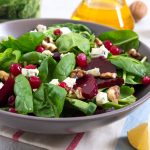 (NaturalHealth365) Nitrate and nitrite sound like the same word split two different ways. Most people treat them that way too, lumping beets, spinach, and cured deli meat into one vague category of “things with nitrates in them to worry about.”
But a 20-year Swedish study just drew a sharp line between the two, and only one side of that line came back looking dangerous.
What a large-scale, two-decade study finally revealed
Researchers at Karolinska Institutet tracked 82,009 middle-aged and older adults across two long-running Swedish cohorts. Detailed food and water intake data were linked to national cancer records from 1998 through 2022. Over that stretch, 3,170 people developed colorectal cancer.
Nitrate intake, abundant in leafy greens, beets, and drinking water, showed no association with colorectal cancer risk. Nitrite intake told a different story.
Comparing the highest fifth of nitrite consumers against the lowest, men showed a 23 percent higher risk of colorectal cancer. Women showed no such pattern.
Why the same word splits into two very different foods
Nitrate occurs naturally in soil and is absorbed by plants as they grow. That’s why vegetables carry most of the nitrate in a typical diet. Nitrite works differently, entering the diet mainly as a food additive used to fight bacterial growth and preserve color in bacon, hot dogs, and deli meats.
The body does convert some dietary nitrate into nitrite naturally, so the split isn’t absolute. Yet the surrounding context matters enormously. Vegetables arrive bundled with vitamin C, polyphenols, and fiber. Those compounds appear to block the chemical reaction that forms N-nitroso compounds, which turn nitrite dangerous in the gut.
Processed meat offers none of that protective packaging.
A risk that landed in one specific spot
The men who developed colorectal cancer from higher nitrite intake didn’t show risk spread evenly across the colon. Distal colon cancer, the section closest to the rectum, carried the strongest link. Men at the highest nitrite intake level faced a 50 percent higher risk there specifically.
That specificity matters. A risk concentrated in one anatomical location, rather than scattered everywhere at once, points toward a genuine local exposure effect.
Everyday sources of nitrite hiding in plain sight
A handful of common foods carry meaningful nitrite loads that rarely get flagged as part of any colon cancer conversation.
Bacon, hot dogs, and deli meats top the list, since curing salts containing sodium nitrite are standard across the processed meat industry. Some pepperoni and salami varieties carry particularly high concentrations, given how heavily cured meats depend on nitrite for both safety and shelf-stable color.
Certain canned meat products use the same curing chemistry, often without shoppers realizing the connection. Even some plant-based deli alternatives use added nitrite to mimic the color and preservation of traditional cured meat.
An open question about why men and not women
Researchers found this nitrite association in men but not women, a pattern they flagged as worth further study rather than fully explained. Differences in typical processed meat intake between the sexes remain one possibility. Hormonal factors affecting how the gut handles N-nitroso compounds, along with differences in statistical power, remain two more possibilities.
Whatever eventually explains that split, the practical takeaway doesn’t depend on solving that question first. Cutting back on nitrite-heavy processed meat benefits colon health no matter which biological pathway turns out to matter most.
Practical ways to cut nitrite without cutting vegetables
Keep eating organic nitrate-rich vegetables without hesitation. Spinach, beets, arugula, and lettuce showed zero association with colorectal cancer risk here. Their fiber and antioxidants actively work against the compounds that make nitrite risky elsewhere.
Limit processed meat to an occasional food rather than a daily staple. Swapping in fresh organic poultry, fish, or plant proteins on most days directly reduces nitrite exposure at the source.
Pair any processed meat that lands on the plate with vitamin C-rich foods. Citrus, bell peppers, and tomatoes eaten alongside cured meat may help block the same nitrosation reaction that vegetables’ own antioxidants interrupt.
The nitrate scare gets replaced with something more precise
Public concern about nitrates has circulated for years without much precision about which compound actually deserved the worry. A far more useful distinction now replaces that vague worry. The vegetables never needed defending, and the cured meat aisle deserves the scrutiny leafy greens have been catching instead.
Jonathan Landsman’s Stop Cancer Docu-Class covers the deeper science behind dietary carcinogens and cancer prevention. The program also breaks down which everyday foods carry meaningful risk and which ones have been unfairly caught in the crossfire. Don’t wait for a cancer diagnosis, find out how to naturally avoid the risk of cancer with the best holistic strategies designed to stop cancer cell growth.
Click here to own the Stop Cancer Docu-Class.
Sources for this article include:
The post What years of nitrate warnings got wrong about your cancer risk appeared first on NaturalHealth365.
Visit Natural Health 365 Here /
Source: https://www.naturalhealth365.com/what-years-of-nitrate-warnings-got-wrong-about-your-colon-cancer-risk.html
Anyone can join.
Anyone can contribute.
Anyone can become informed about their world.
"United We Stand" Click Here To Create Your Personal Citizen Journalist Account Today, Be Sure To Invite Your Friends.
Before It’s News® is a community of individuals who report on what’s going on around them, from all around the world. Anyone can join. Anyone can contribute. Anyone can become informed about their world. "United We Stand" Click Here To Create Your Personal Citizen Journalist Account Today, Be Sure To Invite Your Friends.
LION'S MANE PRODUCT
Try Our Lion’s Mane WHOLE MIND Nootropic Blend 60 Capsules
Mushrooms are having a moment. One fabulous fungus in particular, lion’s mane, may help improve memory, depression and anxiety symptoms. They are also an excellent source of nutrients that show promise as a therapy for dementia, and other neurodegenerative diseases. If you’re living with anxiety or depression, you may be curious about all the therapy options out there — including the natural ones.Our Lion’s Mane WHOLE MIND Nootropic Blend has been formulated to utilize the potency of Lion’s mane but also include the benefits of four other Highly Beneficial Mushrooms. Synergistically, they work together to Build your health through improving cognitive function and immunity regardless of your age. Our Nootropic not only improves your Cognitive Function and Activates your Immune System, but it benefits growth of Essential Gut Flora, further enhancing your Vitality.

Our Formula includes: Lion’s Mane Mushrooms which Increase Brain Power through nerve growth, lessen anxiety, reduce depression, and improve concentration. Its an excellent adaptogen, promotes sleep and improves immunity. Shiitake Mushrooms which Fight cancer cells and infectious disease, boost the immune system, promotes brain function, and serves as a source of B vitamins. Maitake Mushrooms which regulate blood sugar levels of diabetics, reduce hypertension and boosts the immune system. Reishi Mushrooms which Fight inflammation, liver disease, fatigue, tumor growth and cancer. They Improve skin disorders and soothes digestive problems, stomach ulcers and leaky gut syndrome. Chaga Mushrooms which have anti-aging effects, boost immune function, improve stamina and athletic performance, even act as a natural aphrodisiac, fighting diabetes and improving liver function. Try Our Lion’s Mane WHOLE MIND Nootropic Blend 60 Capsules Today. Be 100% Satisfied or Receive a Full Money Back Guarantee. Order Yours Today by Following This Link.



| Visits: | 1,834,646,030 |
| Stories: | 8,719,068 |
Whistler Blowers, Insiders


Thanks, good to know.