

South Africa’s Food System Is Failing Children

Child malnutrition in South Africa casts a long shadow across the life course. For example, stunting or being short for their age compromises children’s physical growth and their brain development in ways that limit their education and employment prospects.
Stunted and overweight children are both at greater risk of developing noncommunicable diseases such as obesity, diabetes and hypertension. These conditions are placing a huge – and growing – burden on South Africa’s healthcare system.
In this way, child malnutrition helps to drive an intergenerational cycle of poverty and ill health that comes at great cost to individual children, their families and South African society.
South Africa produces a surplus of food, yet children are dying of hunger. But the deaths from severe acute malnutrition are just the tip of the iceberg.
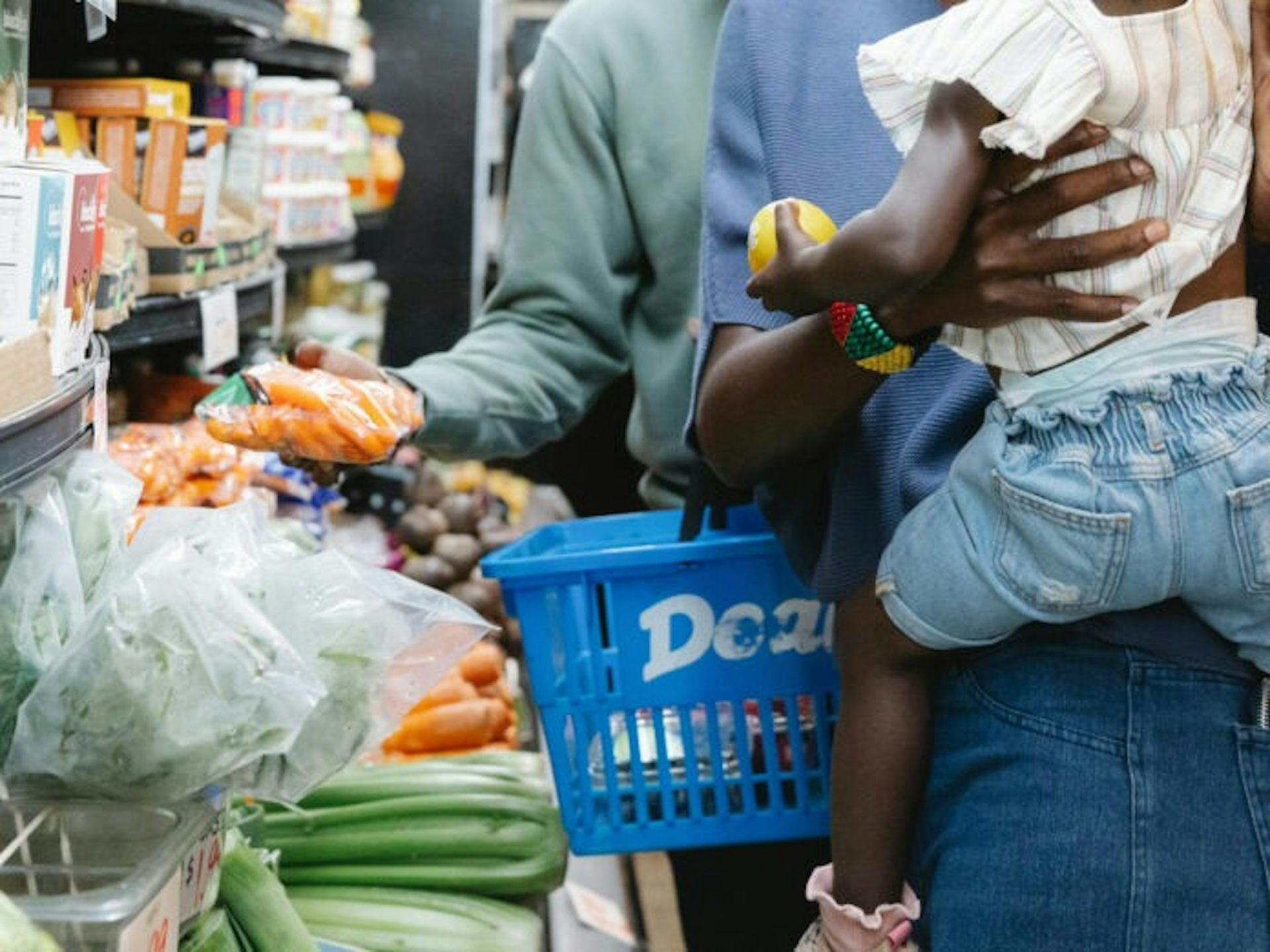
Many children live in areas where access to nutritious food is limited. Scrolla
At the Children’s Institute, at the University of Cape Town, we have spent over two decades researching the state of South Africa’s children, including child health, nutrition education and nutrition status. We advocate for law reforms to ensure their rights are protected. And we teach child rights courses we’ve designed for health and allied professionals.
Over the years, our research has highlighted the slow violence of malnutrition experienced by this vulnerable population. Our Children Count website, an ongoing data project that analyses key indicators affecting South Africa’s children, shows that the situation is deteriorating.
A growing burden
More than one in four of South Africa’s young children are stunted and stunting rates have remained stubbornly high for decades. Of equal concern is the rapid increase in childhood overweight and obesity – also affecting one in four young children. These rates have nearly doubled since 2016 from 13% to 22.3%.
But the problem is not insurmountable. Early intervention is vital.
Research shows that exposure to malnutrition in the first 1,000 days of life (from conception to a child’s second birthday) can have an irreversible effect on long-term health and development. Acting early to support optimal nutrition can reduce the burden of noncommunicable diseases, build human capital and drive economic development.
The root causes
To design effective solutions, we need to look beyond individual behaviour to address the root causes. Many children live in severely food insecure households where caregivers skip meals to shield their children from hunger.
Nearly 40% of children live below the food poverty line – in households with a per capita income of less than R855 (US$52) per month, or R29 (US$1.77) a day. This is not enough to meet children’s basic nutritional needs, let alone provide a balanced, nutrient rich diet.
At the same time global food corporations have flooded South African markets with cheap, ultra-processed foods, high in sugar, salt and saturated fats, and low in nutrients. These are helping to fuel the rapid rise in obesity. Many children live in “food deserts” where healthy foods are unaffordable or unavailable.
These violations of children’s right to basic nutrition have been the subject of an inquiry by the South African Human Rights Commission. When the first round of public hearings was held in March 2026, my colleagues and I called on the commission to put children at the centre of its public inquiry into the food system. The second round of hearings (6-10 July 2026) put the spotlight on the roles and responsibilities of major retailers.
What needs to be done?
Child malnutrition is a complex problem. The whole of society needs to work to ensure that healthy food is both available and affordable. Based on our research we have made five policy suggestions.
- South Africa needs to start by investing in maternal health and nutrition. Pregnancy is a time of heightened nutritional need, when food insecurity poses a risk to both the mother and her unborn child. This is why civil society is calling for the introduction a maternal support grant, starting in the second trimester of pregnancy. It should then convert automatically to the child support grant after birth, in order to prevent complications and low birth weight, support healthy growth and development, and provide income support when it’s needed most.
- Next, the country needs to improve infant and young children feeding. Breastfeeding is one of the most powerful interventions to prevent both under- and over-nutrition, yet only one in five infants (0-6 months) in South Africa are exclusively breastfed. In addition, only one in four young children (6-12 months) have a minimum acceptable diet. So the health system has a critical role to play in better supporting breastfeeding women and the transition to complementary foods. It also needs to respond proactively to the very first signs of growth faltering and ensure that children at risk of malnutrition can access support through the Nutrition Therapeutic Programme or child support grant.
- Nutrition support then needs to continue across the life course. Schools and early childhood development programmes are important channels for providing children with a daily meal to alleviate hunger and provide them with energy to play and learn. The National School Nutrition Programme reaches in excess of 9 million learners. And the early childhood development subsidy supports a much smaller proportion of younger children. But neither of these programmes provide support when it’s needed most: in the first two years of life when children are most vulnerable to stunting and severe acute malnutrition.
- The child support grant is the only programme providing younger children with nutrition at scale, yet its value (R580 a month (US$35) or R20 a day) is being eroded by food price inflation. Advocates are calling on the government to increase the grant to at least the food poverty line, starting with the under-twos.
- These investments in government services are only part of the solution. It is also essential to regulate the food industry by: increasing taxes to reduce consumption of sugar-sweetened beverages; clearly labelling foods that are high in salt, sugar and fat; and ensuring that these are not marketed to children.
In this way, South Africa can begin to create healthier food environments and make it easier for both children and their families to make healthy food choices. We therefore hope that the commission will put clear recommendations in place to prevent the food industry from profiting at the expense of the health and nutrition of our youngest and most vulnerable children.
By Lori Lake, Communication and Education Specialist at the Children’s Institute, University of Cape Town. This article is republished from The Conversation under a Creative Commons license. Read the original article.

Source: https://scienceblogs.com/sb-admin/2026/07/15/south-africas-food-system-failing-children-151474
Anyone can join.
Anyone can contribute.
Anyone can become informed about their world.
"United We Stand" Click Here To Create Your Personal Citizen Journalist Account Today, Be Sure To Invite Your Friends.
Before It’s News® is a community of individuals who report on what’s going on around them, from all around the world. Anyone can join. Anyone can contribute. Anyone can become informed about their world. "United We Stand" Click Here To Create Your Personal Citizen Journalist Account Today, Be Sure To Invite Your Friends.
LION'S MANE PRODUCT
Try Our Lion’s Mane WHOLE MIND Nootropic Blend 60 Capsules
Mushrooms are having a moment. One fabulous fungus in particular, lion’s mane, may help improve memory, depression and anxiety symptoms. They are also an excellent source of nutrients that show promise as a therapy for dementia, and other neurodegenerative diseases. If you’re living with anxiety or depression, you may be curious about all the therapy options out there — including the natural ones.Our Lion’s Mane WHOLE MIND Nootropic Blend has been formulated to utilize the potency of Lion’s mane but also include the benefits of four other Highly Beneficial Mushrooms. Synergistically, they work together to Build your health through improving cognitive function and immunity regardless of your age. Our Nootropic not only improves your Cognitive Function and Activates your Immune System, but it benefits growth of Essential Gut Flora, further enhancing your Vitality.

Our Formula includes: Lion’s Mane Mushrooms which Increase Brain Power through nerve growth, lessen anxiety, reduce depression, and improve concentration. Its an excellent adaptogen, promotes sleep and improves immunity. Shiitake Mushrooms which Fight cancer cells and infectious disease, boost the immune system, promotes brain function, and serves as a source of B vitamins. Maitake Mushrooms which regulate blood sugar levels of diabetics, reduce hypertension and boosts the immune system. Reishi Mushrooms which Fight inflammation, liver disease, fatigue, tumor growth and cancer. They Improve skin disorders and soothes digestive problems, stomach ulcers and leaky gut syndrome. Chaga Mushrooms which have anti-aging effects, boost immune function, improve stamina and athletic performance, even act as a natural aphrodisiac, fighting diabetes and improving liver function. Try Our Lion’s Mane WHOLE MIND Nootropic Blend 60 Capsules Today. Be 100% Satisfied or Receive a Full Money Back Guarantee. Order Yours Today by Following This Link.


| Visits: | 1,832,625,977 |
| Stories: | 8,708,473 |
Whistler Blowers, Insiders

