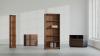
Storage Tips for Keeping a Home Office Organised

A well-organised home office can make everyday work feel more manageable. When documents are easy to locate, equipment has a designated place and the desk remains clear, it becomes easier to concentrate on important tasks. However, working from home often means sharing limited space with family belongings, household paperwork and personal activities.
The solution is not necessarily to buy more furniture. Instead, effective organisation starts with understanding what you use, how frequently you need it and where it should be kept. Combining accessible shelving, practical filing systems and a few consistent habits can transform even a compact workspace into a comfortable and productive environment.
These storage tips will help you organise your home office, reduce unnecessary clutter and create a system that remains useful as your workload and daily routines change.
Organise Reference Materials with a Wood Bookcase
Books, manuals, notebooks and professional reference materials can quickly take over a desk when they do not have a dedicated home. A well-positioned shelving unit keeps these resources visible and accessible without consuming valuable working space.
Arrange materials according to how you use them rather than simply by size or colour. Keep frequently consulted books at a comfortable height, group related subjects together and move older reference materials to less accessible shelves. This creates a practical arrangement that reduces time spent searching for information.
Leave some room for new materials instead of filling every shelf immediately. If the unit is tall, place heavier items on suitable lower shelves and follow the manufacturer’s guidance on load limits and wall anchoring. Measure the available area before buying to ensure the furniture does not obstruct windows, walkways or nearby equipment.
Reduce Visible Clutter with a Bookcase with Storage
Not every office essential needs to remain on display. Spare cables, printer supplies, stationery and miscellaneous accessories can make a workspace look disorganised when left on open shelves or scattered across the desk.
A unit that combines visible shelving with enclosed compartments provides a practical balance. Keep books, selected reference materials and a few personal items in open sections, while using concealed areas for equipment and supplies that you need but rarely display.
Use labelled boxes or containers to group smaller belongings. For example, one container could hold charging accessories, while another keeps spare pens, sticky notes and paper clips together. Check compartment dimensions and door clearance before purchasing, especially if the furniture will sit close to a chair or another cabinet.
Create a Consistent Storage System for Everyday Items
A useful organisational system begins by assigning a specific place to everything you regularly use. Start by dividing your belongings into categories such as current projects, office supplies, reference materials, electronic accessories and archived documents.
Place frequently used items near the activities they support. Keep notebooks and stationery close to the desk, position charging equipment near suitable power access and reserve less accessible compartments for materials you consult only occasionally. This reduces unnecessary movement and makes returning items after use much easier.
Consider your working habits before deciding where each category belongs. If you regularly switch between projects, dedicate a tray or clearly labelled section to each active task. Avoid creating too many categories, as an elaborate system can become difficult to maintain.
Finally, leave some spare capacity. An office that is already completely full has little room for additional paperwork, equipment or changing responsibilities.
Keep Important Documents Organised with Filing Cabinets for Home Office Use
Paperwork often creates persistent clutter because different documents require different levels of access. Invoices, contracts, work reports and instruction manuals can quickly become mixed together when they are stored in unlabelled piles.
A dedicated filing unit provides a consistent place for records and helps separate active projects from documents that need to be retained. Use clear folder labels and arrange papers according to a logical system, such as project name, document type or date.
Keep frequently consulted files in convenient drawers, while older records can be stored separately. Review documents periodically and remove unnecessary duplicates, while retaining anything required for legal, financial or other record-keeping purposes.
Before choosing a cabinet, measure its available footprint and check the internal drawer dimensions. Ensure drawers can open fully without obstructing your chair or walkway, and follow the manufacturer’s stated load limits.
Save Floor Space with an Under Desk File Cabinet
In a small home office, the space beneath the desk can be valuable. A suitably sized filing unit allows you to keep current paperwork nearby without introducing another large piece of furniture elsewhere in the room.
Measure the height, width and depth available beneath your desk before buying. Allow adequate legroom and account for desk supports, chair movement and the distance required to open drawers. A cabinet that fits physically but restricts your sitting position will make the workspace less comfortable.
Use the unit for documents and accessories you regularly need, rather than filling it with unrelated items. Keep current project files accessible and move archived paperwork to a separate location. This helps the immediate work area remain clear and makes daily tasks easier to manage.
Arrange Paperwork Efficiently with a Lateral File Drawer
A wider filing arrangement may suit an office with a broad wall but limited space for several separate cabinets. Depending on the design, a lateral drawer can provide room for different categories of paperwork while keeping documents grouped within one unit.
Establish a clear filing structure before filling the drawers. Separate current projects, household records and archived materials, then use consistent labels so you can identify each category quickly. This is particularly valuable when several family members share responsibility for household administration.
Check the cabinet’s external dimensions, drawer clearance and load specifications before purchasing. Position it where the drawers can open completely without colliding with other furniture. Avoid placing heavy belongings in drawers beyond their stated capacity, as excessive loading can affect operation and stability.
Protect Confidential Records in a Lockable Storage Cabinet
Some home offices contain personal documents, confidential work papers or other belongings that should not be openly accessible. An enclosed cabinet with a locking mechanism can help restrict casual access, particularly when the workspace is shared with children, visitors or other household members.
Decide which materials genuinely require restricted access and keep frequently used authorised items organised inside. Store keys or access credentials securely, and follow the manufacturer’s instructions for safe installation and use.
Bear in mind that a standard lock does not automatically provide fire protection, water resistance or high-level security against theft. If your documents or equipment require specialised protection, check the product specifications and choose an appropriate solution.
Allow Your Layout to Evolve with a Modular Bookcase
Work requirements rarely remain completely static. A new project may require additional reference materials, remote working arrangements may change or a shared room may need to accommodate another activity. Flexible shelving can help you adapt your layout without replacing every piece of furniture.
Depending on the system, compatible sections can be rearranged or expanded to suit different needs. You might begin with a compact configuration for books and stationery, then introduce additional sections as your collection grows.
Before purchasing, check component compatibility, weight limits and the configurations permitted by the manufacturer. Follow assembly instructions and recommended wall-fixing guidance, particularly when using tall or stacked arrangements. Adaptability should never come at the expense of stability or convenient access.
Maintain Your Home Office with Simple Daily Habits
Even well-chosen furniture will become cluttered if belongings do not return to their designated places. Spend a few minutes at the end of each working day putting away documents, clearing the desktop and preparing essential items for the following morning.
Review crowded shelves and drawers regularly. Remove unnecessary stationery, recycle documents when appropriate and relocate belongings that no longer serve an active purpose. If an item repeatedly ends up on the desk, consider whether its assigned location is inconvenient.
Finally, make sure the office supports comfortable working. Keep walkways clear, position frequently used supplies within easy reach and organise cables to reduce trip hazards. A tidy workspace should improve daily routines rather than introduce extra tasks.
Conclusion: Build an Organised Workspace That Lasts
A functional home office depends on more than attractive furniture. Accessible reference materials, organised paperwork, clearly defined categories and consistent everyday habits all contribute to a workspace that feels manageable and supports concentration.
Start with the items you use most, choose furniture that fits the room and leave space for future changes. With a practical organisational system and regular maintenance, you can keep your home office tidy, comfortable and ready for the demands of each working day.
Anyone can join.
Anyone can contribute.
Anyone can become informed about their world.
"United We Stand" Click Here To Create Your Personal Citizen Journalist Account Today, Be Sure To Invite Your Friends.
Before It’s News® is a community of individuals who report on what’s going on around them, from all around the world. Anyone can join. Anyone can contribute. Anyone can become informed about their world. "United We Stand" Click Here To Create Your Personal Citizen Journalist Account Today, Be Sure To Invite Your Friends.
LION'S MANE PRODUCT
Try Our Lion’s Mane WHOLE MIND Nootropic Blend 60 Capsules
Mushrooms are having a moment. One fabulous fungus in particular, lion’s mane, may help improve memory, depression and anxiety symptoms. They are also an excellent source of nutrients that show promise as a therapy for dementia, and other neurodegenerative diseases. If you’re living with anxiety or depression, you may be curious about all the therapy options out there — including the natural ones.Our Lion’s Mane WHOLE MIND Nootropic Blend has been formulated to utilize the potency of Lion’s mane but also include the benefits of four other Highly Beneficial Mushrooms. Synergistically, they work together to Build your health through improving cognitive function and immunity regardless of your age. Our Nootropic not only improves your Cognitive Function and Activates your Immune System, but it benefits growth of Essential Gut Flora, further enhancing your Vitality.

Our Formula includes: Lion’s Mane Mushrooms which Increase Brain Power through nerve growth, lessen anxiety, reduce depression, and improve concentration. Its an excellent adaptogen, promotes sleep and improves immunity. Shiitake Mushrooms which Fight cancer cells and infectious disease, boost the immune system, promotes brain function, and serves as a source of B vitamins. Maitake Mushrooms which regulate blood sugar levels of diabetics, reduce hypertension and boosts the immune system. Reishi Mushrooms which Fight inflammation, liver disease, fatigue, tumor growth and cancer. They Improve skin disorders and soothes digestive problems, stomach ulcers and leaky gut syndrome. Chaga Mushrooms which have anti-aging effects, boost immune function, improve stamina and athletic performance, even act as a natural aphrodisiac, fighting diabetes and improving liver function. Try Our Lion’s Mane WHOLE MIND Nootropic Blend 60 Capsules Today. Be 100% Satisfied or Receive a Full Money Back Guarantee. Order Yours Today by Following This Link.


| Visits: | 1,836,126,397 |
| Stories: | 8,727,062 |
Whistler Blowers, Insiders