

Tim Turk Shooting and Scoring Classes: Developing Better Hockey Shooting Skills

Scoring in hockey requires more than simply shooting the puck toward the net. Players need proper technique, accuracy, timing, balance, and the ability to make quick decisions under pressure. Tim Turk Shooting and Scoring Classes provide a useful topic for understanding how structured shooting instruction can help hockey players develop these essential skills and become more confident offensive players.
Whether someone is a beginner learning shooting fundamentals or an experienced player looking to improve scoring consistency, focused practice can make a difference. Understanding shooting mechanics, learning different shot types, and developing effective training habits can help players improve their performance in competitive and recreational hockey.
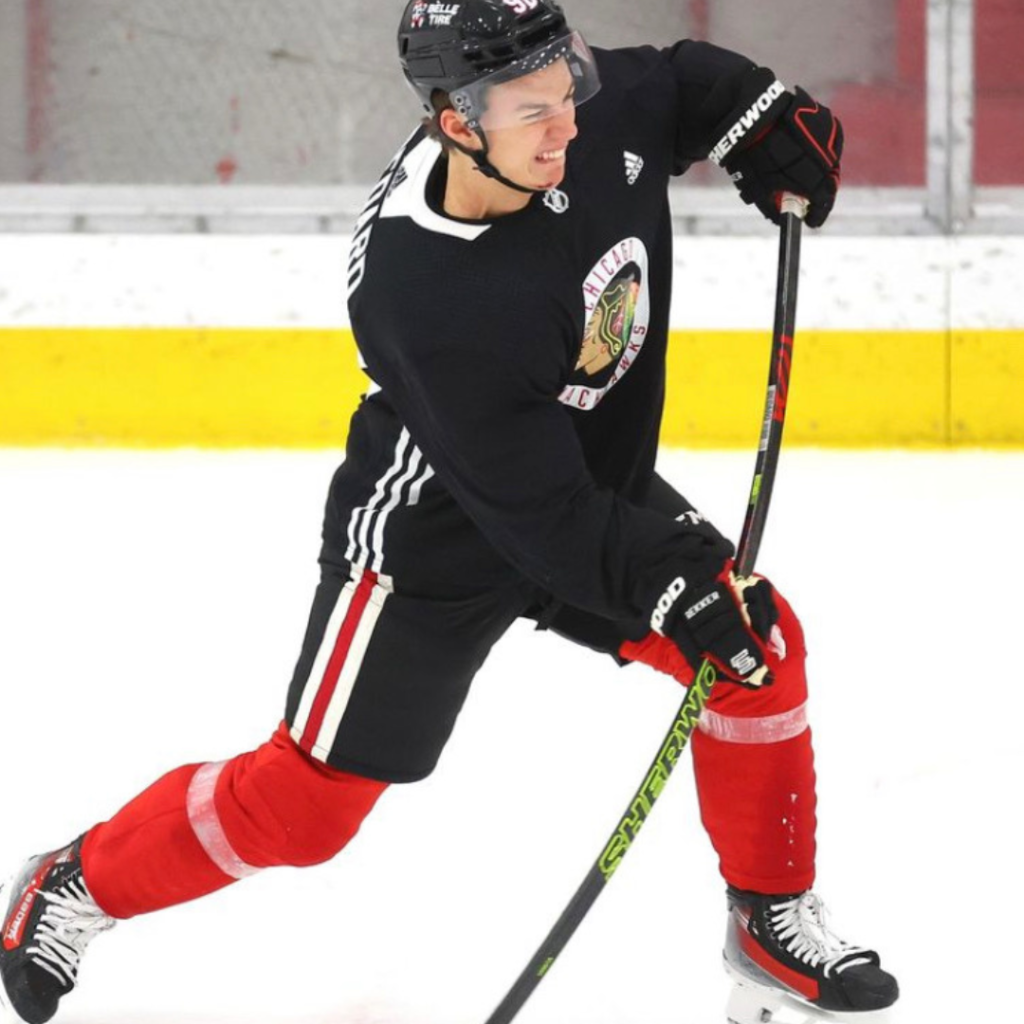
What Are Hockey Shooting and Scoring Classes?
Hockey shooting and scoring classes are structured training sessions designed to improve a player’s ability to shoot accurately, generate power, and recognize scoring opportunities.
These sessions generally focus on technical skills and practical exercises that simulate situations players experience during games.
Common training areas include:
-
Wrist shot technique and accuracy.
-
Snap shot development.
-
Slap shot mechanics.
-
Backhand shooting.
-
Puck control before shooting.
-
Shooting while moving.
-
Quick-release techniques.
-
Scoring from different positions.
-
Decision-making around the net.
The objective is to help players understand how their body positioning, stick movement, and puck contact influence shooting performance.
Why Is Shooting Technique Important in Hockey?
A powerful shot does not automatically result in a goal. Players must also understand where to aim, when to release the puck, and how to adapt their technique to different game situations.
Improves Shooting Accuracy
Accuracy allows players to direct the puck toward specific areas of the net instead of relying entirely on power.
Practicing different target zones helps players develop control over puck placement. For example, shooting toward the lower corners requires different puck positioning and release adjustments than aiming high.
Develops Shot Power
Shot power comes from coordinated body movement, proper weight transfer, stick flex, and controlled puck contact.
Players who rely only on arm strength may struggle to generate consistent power. Learning to coordinate the legs, hips, shoulders, and hands can produce more efficient shooting mechanics.
Builds Faster Release Skills
A quick release gives goalkeepers less time to react. Players who can shoot without taking several preparation movements may find more scoring opportunities during fast-paced games.
Increases Confidence
Consistent practice helps players become more comfortable shooting from different positions. This confidence can encourage them to take appropriate scoring opportunities instead of hesitating.
Understanding the Main Types of Hockey Shots
Different shots serve different purposes. Learning when and how to use each technique helps players become more versatile offensively.
1. Wrist Shot
<AsyncImage query=”ice hockey player performing wrist shot close up hockey stick puck” aspectRatio=”16:9″ width=”100%”/>
The wrist shot is one of the most commonly used shooting techniques in hockey.
Players use controlled stick movement and weight transfer to release the puck toward the target. The technique is useful when accuracy and a relatively quick release are important.
Practice tip: Start with stationary wrist shots aimed at different target areas. Gradually introduce movement while maintaining control.
2. Snap Shot
<AsyncImage query=”ice hockey player snap shooting puck during hockey practice” aspectRatio=”16:9″ width=”100%”/>
A snap shot combines a quick loading movement with a rapid release. It allows players to shoot quickly without requiring the larger preparation movement associated with a full slap shot.
Practice tip: Work on releasing the puck quickly after receiving a pass. Focus on maintaining balance and directing the shot accurately.
3. Slap Shot
<AsyncImage query=”ice hockey player taking slap shot during training” aspectRatio=”16:9″ width=”100%”/>
A slap shot uses a larger backswing and a powerful downward motion. The stick flexes as it contacts the ice before transferring energy to the puck.
This technique can generate considerable power but requires proper timing and control.
Practice tip: Begin with controlled movements before increasing shooting speed. Avoid sacrificing balance or accuracy for extra power.
4. Backhand Shot
<AsyncImage query=”ice hockey player shooting backhand puck on goal” aspectRatio=”16:9″ width=”100%”/>
A backhand shot is performed from the opposite side of the stick blade’s forehand position. It can be useful when a player has limited time or space to reposition the puck.
Practice tip: Practice short-distance backhand shots before attempting more difficult shots from wider angles.
How Tim Turk Shooting and Scoring Classes Support Player Development
Structured instruction can help players understand the technical details behind consistent shooting.
Tim Turk Shooting and Scoring Classes can be explored as a training approach centered on developing shooting fundamentals, puck control, release speed, and offensive awareness.
An effective learning process generally includes several stages.
Stage 1: Evaluating Existing Skills
Players begin by identifying their current strengths and weaknesses.
An evaluation may consider:
-
Shooting accuracy.
-
Release speed.
-
Stick positioning.
-
Balance and body alignment.
-
Puck control.
-
Shot selection.
Identifying specific areas for improvement makes practice more purposeful.
Stage 2: Developing Proper Mechanics
Players work on positioning their hands, controlling the stick blade, transferring body weight, and making consistent contact with the puck.
Small technical adjustments can improve both accuracy and efficiency.
Stage 3: Practicing Different Shooting Situations
Once basic mechanics become more consistent, players can practice shooting while skating, receiving passes, changing direction, and moving through defensive pressure.
This helps connect individual shooting skills with actual game situations.
Stage 4: Measuring Progress
Tracking performance can help players understand whether their training is effective.
Useful measurements include target accuracy, successful shot repetitions, release consistency, and performance during movement-based exercises.
The Role of Off-Ice Hockey Training in Shooting Development

On-ice practice is essential, but players can also develop several hockey-related skills away from the rink.
Off ice hockey training Edmonton can include exercises designed to improve coordination, balance, strength, flexibility, and stickhandling.
These physical abilities contribute to better shooting mechanics.
Stickhandling Exercises
Stickhandling practice helps players control the puck while moving it across different areas of the blade.
Useful exercises include:
-
Moving the puck from forehand to backhand.
-
Practicing controlled puck movement around obstacles.
-
Maintaining head position while handling the puck.
-
Changing direction without losing control.
Strength and Stability Training
Lower-body strength and core stability help players maintain balance during shooting.
Exercises such as squats, lunges, planks, and controlled rotational movements can support the physical demands of hockey.
Players should use appropriate resistance and focus on proper form rather than lifting excessive weight.
Coordination and Reaction Training
Quick decision-making is an important part of scoring. Reaction-based exercises can help players respond to visual cues and improve coordination between their hands and eyes.
For younger athletes, these activities should remain age-appropriate and supervised.
Actionable Tips to Improve Hockey Shooting and Scoring
Players do not need complicated equipment or extremely long practice sessions to improve. Consistency and proper technique are more important than simply completing a large number of repetitions.
Here are seven practical suggestions:
-
Practice with specific targets: Place targets in different areas of the net and work on hitting each one consistently.
-
Focus on technique first: Develop correct stick positioning and body mechanics before increasing shooting power.
-
Use both sides of the stick: Practice forehand and backhand shooting to improve versatility.
-
Train quick releases: Practice shooting immediately after receiving a pass.
-
Keep your head up: Develop awareness of the goal and surrounding players instead of constantly watching the puck.
-
Record your progress: Track accuracy and consistency over several training sessions.
-
Allow recovery time: Include rest between demanding sessions to reduce fatigue and support physical development.
Players should also wear appropriate protective equipment during shooting practice and use a safe, designated training area.
People Also Ask About Hockey Shooting and Scoring Training
How can I improve my hockey shooting accuracy?
Practice shooting at specific target areas, maintain proper body positioning, and focus on consistent puck contact. Gradually increase shooting speed without losing control.
What is the best hockey shot for beginners?
The wrist shot is generally a good starting point because it teaches basic stick control, puck contact, and shooting accuracy.
How often should hockey players practice shooting?
Practice frequency depends on age, experience, physical condition, and competition schedule. Several focused sessions each week may help, provided players receive adequate recovery.
Does off-ice training help improve hockey shooting?
Yes. Off-ice training can improve stickhandling, strength, balance, and coordination, all of which support shooting performance on the ice.
How do hockey players develop a faster shot release?
Players can practice receiving passes and releasing the puck quickly, improving hand positioning, and developing consistent shooting mechanics.
Frequently Asked Questions
Are shooting and scoring classes suitable for beginners?
Yes. Beginners can benefit from learning basic shooting techniques, puck control, and proper body positioning before developing more advanced skills.
Can experienced hockey players benefit from shooting instruction?
Yes. Experienced players can work on improving release speed, accuracy, shot selection, and performance under defensive pressure.
What equipment is needed for hockey shooting practice?
Players generally need a hockey stick, pucks, appropriate protective equipment, and a suitable shooting area. Additional training aids, such as shooting targets, may be useful.
Is strength more important than shooting technique?
No. Strength can support shot power, but technique, timing, balance, and puck contact are equally important for effective shooting.
How can I measure improvement in shooting skills?
Track target accuracy, successful shot repetitions, release speed, and consistency. Comparing performance over multiple sessions can help identify progress.
Hockey shooting and scoring require a combination of technical ability, physical coordination, accuracy, and game awareness. Players who understand different shot types and practice their mechanics consistently can develop more reliable offensive skills.
Tim Turk Shooting and Scoring Classes highlight the importance of structured shooting practice and skill development for players at different experience levels. Combining on-ice instruction with appropriate off-ice conditioning can also help athletes build a stronger foundation for long-term hockey development.
Pro Stride Hockey
3743 98 St NW, Edmonton, AB T6E 5N2, Canada
780-232-4776
Anyone can join.
Anyone can contribute.
Anyone can become informed about their world.
"United We Stand" Click Here To Create Your Personal Citizen Journalist Account Today, Be Sure To Invite Your Friends.
Before It’s News® is a community of individuals who report on what’s going on around them, from all around the world. Anyone can join. Anyone can contribute. Anyone can become informed about their world. "United We Stand" Click Here To Create Your Personal Citizen Journalist Account Today, Be Sure To Invite Your Friends.
LION'S MANE PRODUCT
Try Our Lion’s Mane WHOLE MIND Nootropic Blend 60 Capsules
Mushrooms are having a moment. One fabulous fungus in particular, lion’s mane, may help improve memory, depression and anxiety symptoms. They are also an excellent source of nutrients that show promise as a therapy for dementia, and other neurodegenerative diseases. If you’re living with anxiety or depression, you may be curious about all the therapy options out there — including the natural ones.Our Lion’s Mane WHOLE MIND Nootropic Blend has been formulated to utilize the potency of Lion’s mane but also include the benefits of four other Highly Beneficial Mushrooms. Synergistically, they work together to Build your health through improving cognitive function and immunity regardless of your age. Our Nootropic not only improves your Cognitive Function and Activates your Immune System, but it benefits growth of Essential Gut Flora, further enhancing your Vitality.

Our Formula includes: Lion’s Mane Mushrooms which Increase Brain Power through nerve growth, lessen anxiety, reduce depression, and improve concentration. Its an excellent adaptogen, promotes sleep and improves immunity. Shiitake Mushrooms which Fight cancer cells and infectious disease, boost the immune system, promotes brain function, and serves as a source of B vitamins. Maitake Mushrooms which regulate blood sugar levels of diabetics, reduce hypertension and boosts the immune system. Reishi Mushrooms which Fight inflammation, liver disease, fatigue, tumor growth and cancer. They Improve skin disorders and soothes digestive problems, stomach ulcers and leaky gut syndrome. Chaga Mushrooms which have anti-aging effects, boost immune function, improve stamina and athletic performance, even act as a natural aphrodisiac, fighting diabetes and improving liver function. Try Our Lion’s Mane WHOLE MIND Nootropic Blend 60 Capsules Today. Be 100% Satisfied or Receive a Full Money Back Guarantee. Order Yours Today by Following This Link.


| Visits: | 1,839,581,493 |
| Stories: | 8,742,925 |
Whistler Blowers, Insiders

