
Something Went Terribly Wrong In This NIH-Funded Bat Virus Experiment

The National Institutes of Health paid for a Hendra virus experiment on bats in Australia that the lab’s own ethics committee shut down in 2023, after staff had to kill all eight bats in a room because they could not raise it to the highest biocontainment level once one bat tested positive, according to federal records obtained by PETA and reviewed by Fox News Digital.
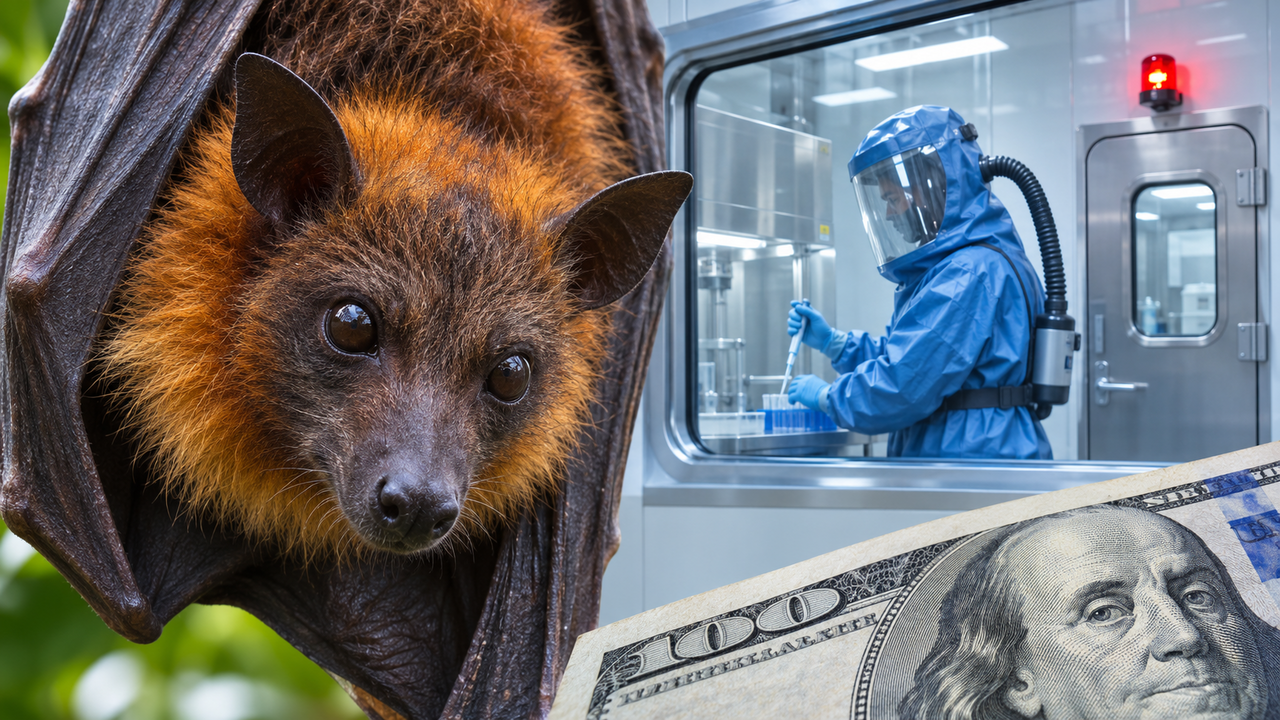
Hendra is a lethal virus carried by flying foxes. The study, titled “Shining a light on bat cellular immunity following virus infection,” ran at the Australian Centre for Disease Preparedness, the high-containment lab run by Australia’s national science agency, CSIRO. The NIH grant behind it (R21AI169481) ran from 2022 to 2024 and totaled about $146,098, with Monash University as a collaborator.
The records cite a shortage of staff trained to handle animals at the required biocontainment level, no adequate contingency plan, unclear protocols and flying foxes kept confined for long stretches without proper enrichment. When one flying fox tested positive, the eight bats housed with it were killed because the room could not be brought up to Biosafety Level 4 (BSL-4). Then a ninth bat, one kept apart in a BSL-4 room, turned up positive too and was put down.
The lead investigator told the NIH about the infections in May 2023, and the ethics committee suspended the study weeks later. Word of the suspension didn’t reach the NIH’s Office of Laboratory Animal Welfare (OLAW), even in preliminary form, until April 2024, more than 10 months after the study was halted, the records show.
A system run on self-reporting
PETA says it went through 124 federal files obtained under the Freedom of Information Act. Of 70 annual reports filed between 2023 and 2025 by foreign labs doing NIH-backed animal research, 67 reported zero violations.
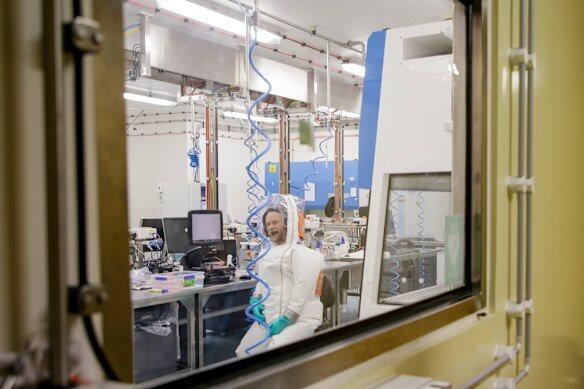
The NIH’s inspections of those labs are virtual. Site visits were announced months ahead: Newcastle University in the UK, which runs NIH-funded brain and stroke research on monkeys, got notice in May 2025 of a virtual visit that took place in December. The notification letters set out planning sessions, document reviews and camera tours in which the foreign lab’s own staff controlled what federal monitors could see on screen. There were no unannounced walk-throughs, no rooms picked at random, no real-time record checks and no confidential staff interviews, the records show.
The same 2025 review ordered Newcastle to reevaluate its protective equipment standards, its tuberculosis screening and its emergency procedures for testing staff potentially exposed to Herpes B, a monkey virus that can kill humans.
The NIH had pledged “enhanced oversight” of foreign labs after a run of scandals, including Colombia’s Caucaseco Scientific Research Center, where PETA documented monkeys kept in squalor. The NIH cut off Caucaseco and an affiliated malaria vaccine center in July 2023, after the two had collectively received $17 million in NIH funding.
Labs with no license at all
Some of the money went to labs that never held the basic NIH paperwork. The agency awarded the University of Sydney a $13 million contract in 2022 for tuberculosis vaccine adjuvant work, but the animal testing was farmed out to Australia’s Centenary Institute, which lacked the NIH Foreign Animal Welfare Assurance every foreign lab needs. The NIH didn’t notice for years, until the university asked about the death of an experimental mouse in 2025.
The NIH also told PETA it could find “no records of an assurance” for several foreign outfits running US-funded animal studies, among them Australian biotech Kinoxis Therapeutics, which ran opioid withdrawal experiments on 80 dogs, 314 rats and 1,485 mice under a grant active through May 2026. The records show the same gap for grants involving animal testing in Canada, Kenya and Israel.
The NIH also paid for several years of Chagas disease research on mice at Argentina’s Research Center in Clinical Biochemistry and Immunology. A 2026 preprint co-authored by its lead researcher described mice with continuous whole-body tremors and hind-limb paralysis, conditions that call for euthanasia under the approved protocol. Instead, untreated animals died over as long as 120 days, and the lab admitted it keeps no animal monitoring or veterinary records.
Cut it off
PETA sent a complaint on Monday to NIH Director Jay Bhattacharya demanding that the agency stop funding all animal experiments outside the US. The letter, from PETA congressional liaison Magnolia Martínez, calls the foreign monitoring regime fundamentally broken and argues that an Animal Welfare Assurance is a box-ticking requirement that guarantees neither animal welfare nor results that apply to humans.
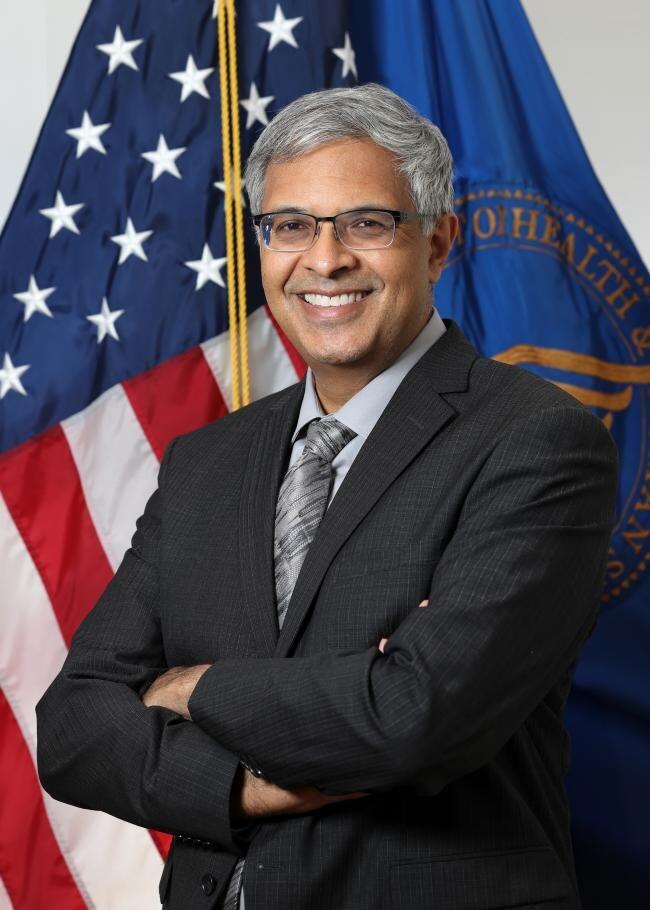
Bhattacharya has said the NIH now demands direct auditing relationships with foreign institutions on the work it funds, so that it “can shut off money” to one that isn’t cooperating, a lesson he tied to the Wuhan Institute of Virology, whose lab notebooks were never obtained. Trump’s executive order last year banned federal funding for dangerous gain-of-function research in countries like China and Iran and in nations without adequate research oversight.
In Congress, the bipartisan Cease Animal Research Grants Overseas (CARGO) Act, S. 1802 in the Senate, would bar the NIH from funding live-animal research outside the US. Sen. Rick Scott (R-Fla.), who introduced it with Sen. Cory Booker (D-N.J.) in May 2025, called it “deeply concerning” that taxpayer dollars had funded “harmful and abusive animal experiments.” Reps. Troy Nehls (R-Texas) and Dina Titus (D-Nev.) carry the House version.
Closer to home, the CDC is winding down its own in-house monkey program, after quarantine screening found 69 tuberculosis cases in incoming macaques between 2021 and 2024, according to internal data PETA reviewed.
Source: https://freedombunker.com/2026/11/23/something-went-terribly-wrong-in-this-nih-funded-bat-virus-experiment/
Anyone can join.
Anyone can contribute.
Anyone can become informed about their world.
"United We Stand" Click Here To Create Your Personal Citizen Journalist Account Today, Be Sure To Invite Your Friends.
Before It’s News® is a community of individuals who report on what’s going on around them, from all around the world. Anyone can join. Anyone can contribute. Anyone can become informed about their world. "United We Stand" Click Here To Create Your Personal Citizen Journalist Account Today, Be Sure To Invite Your Friends.
LION'S MANE PRODUCT
Try Our Lion’s Mane WHOLE MIND Nootropic Blend 60 Capsules
Mushrooms are having a moment. One fabulous fungus in particular, lion’s mane, may help improve memory, depression and anxiety symptoms. They are also an excellent source of nutrients that show promise as a therapy for dementia, and other neurodegenerative diseases. If you’re living with anxiety or depression, you may be curious about all the therapy options out there — including the natural ones.Our Lion’s Mane WHOLE MIND Nootropic Blend has been formulated to utilize the potency of Lion’s mane but also include the benefits of four other Highly Beneficial Mushrooms. Synergistically, they work together to Build your health through improving cognitive function and immunity regardless of your age. Our Nootropic not only improves your Cognitive Function and Activates your Immune System, but it benefits growth of Essential Gut Flora, further enhancing your Vitality.

Our Formula includes: Lion’s Mane Mushrooms which Increase Brain Power through nerve growth, lessen anxiety, reduce depression, and improve concentration. Its an excellent adaptogen, promotes sleep and improves immunity. Shiitake Mushrooms which Fight cancer cells and infectious disease, boost the immune system, promotes brain function, and serves as a source of B vitamins. Maitake Mushrooms which regulate blood sugar levels of diabetics, reduce hypertension and boosts the immune system. Reishi Mushrooms which Fight inflammation, liver disease, fatigue, tumor growth and cancer. They Improve skin disorders and soothes digestive problems, stomach ulcers and leaky gut syndrome. Chaga Mushrooms which have anti-aging effects, boost immune function, improve stamina and athletic performance, even act as a natural aphrodisiac, fighting diabetes and improving liver function. Try Our Lion’s Mane WHOLE MIND Nootropic Blend 60 Capsules Today. Be 100% Satisfied or Receive a Full Money Back Guarantee. Order Yours Today by Following This Link.


| Visits: | 1,839,519,919 |
| Stories: | 8,742,602 |
Whistler Blowers, Insiders

