
Afghan Tour Packages: 10 Things to Know Before Planning Your Trip

Afghanistan can be an extraordinary destination for travelers interested in history, architecture, mountain landscapes, photography, cultural heritage, and stories that rarely appear in conventional travel itineraries. But planning a journey here requires considerably more preparation than choosing a hotel and booking sightseeing tours. Current security conditions, entry requirements, local regulations, transport, communications, and cultural expectations all need careful consideration.
For anyone researching Afghan Tour packages, the most important principle is simple: treat the trip as a carefully coordinated journey rather than a conventional holiday. The following ten considerations can help travelers understand what planning involves and make more informed decisions.
Important travel advisory: Travel conditions in Afghanistan can change rapidly. As of 2026, the UK FCDO advises against all travel to Afghanistan, while the U.S. Department of State maintains a Level 4 “Do Not Travel” advisory. Travelers should consult their own government’s latest advice, insurance terms, and entry requirements before making decisions.
1. What makes Afghanistan different from a conventional travel destination?
Afghanistan is different because travel planning involves security, permissions, transportation, cultural protocols, and changing local conditions alongside ordinary tourism considerations. A successful itinerary therefore needs flexibility and strong local coordination. Travelers should understand that destinations, routes, accommodation, and daily schedules may need to change according to circumstances on the ground.
Afghanistan offers a remarkably varied cultural and geographical landscape. Depending on the itinerary and prevailing conditions, travelers may encounter historic cities, mountain valleys, traditional markets, archaeological sites, high-altitude landscapes, and communities with distinctive regional traditions.
Popular areas associated with Afghanistan travel include:
-
Kabul and its surrounding cultural sites
-
Bamyan Valley and the wider central highlands
-
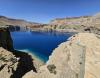
Band-e-Amir and its mountain lakes
-
Herat and its Islamic architectural heritage
-
Badakhshan and northeastern mountain landscapes
-
The Wakhan and Pamir regions for specialized adventure travel
The point is not to visit as many places as possible. In Afghanistan, a thoughtfully paced itinerary is generally more useful than an overloaded schedule.
2. How important is security planning for an Afghanistan trip?
Security planning is the most important consideration when evaluating an Afghanistan journey. Several governments currently advise against travel to the country because of risks including terrorism, kidnapping, wrongful detention, crime, civil unrest, limited medical facilities, and natural hazards. These risks apply even to organized tours.
This does not mean every traveler will experience an incident, but it does mean that risk assessment should be part of the itinerary from the beginning.
A professional travel plan should consider:
-
Current security conditions
-
Route selection and road conditions
-
Accommodation security
-
Local regulations
-
Communication arrangements
-
Emergency procedures
-
Medical access
-
Border and airport conditions
-
Changes to local movement restrictions
Travelers should also avoid assuming that conditions experienced on a previous visit will remain unchanged. The FCDO specifically cautions that the political and security environment can change rapidly.
For this reason, flexibility is not a luxury in Afghanistan travel. It is a practical planning requirement.
3. What should you know about Afghan visas and entry requirements?
Foreign travelers generally need a valid Afghan visa, but exact requirements can depend on nationality, passport, point of application, and current Afghan authorities’ procedures. Entry rules can change, so travelers should verify requirements with the appropriate Afghan diplomatic or consular authority and their travel provider before departure.
Visa planning should begin well before the intended travel date.
Check:
-
Passport validity requirements
-
Visa type and purpose of travel
-
Where the visa can currently be obtained
-
Supporting documents required
-
Entry and exit conditions
-
Whether additional permissions are needed for specific activities or regions
Do not rely solely on information from an old blog, social media post, or another traveler’s previous experience.
Entry rules can change, and some governments also warn that visas issued by particular diplomatic missions may not be accepted in every circumstance.

4. How should you choose destinations and build an itinerary?
The best Afghanistan itinerary depends on the purpose of the trip, available time, season, physical ability, photography interests, and current accessibility. A cultural traveler may prioritize historic cities and heritage sites, while a photographer or adventure traveler may need additional time for remote landscapes and changing road conditions.
Rather than beginning with a fixed list of destinations, establish the purpose of the journey first.
| Traveler type | Potential focus | Planning priority |
|---|---|---|
| Cultural explorer | Heritage, architecture, markets | Local guide and cultural context |
| Photographer | Landscapes, architecture, daily life | Light, permissions and flexible timing |
| Documentary filmmaker | People, places and stories | Permissions, logistics and local coordination |
| Adventure traveler | Mountains, trekking and remote areas | Weather, transport and contingency planning |
| Researcher | History, culture or geography | Access, documentation and specialist support |
A photographer, for example, may want sunrise and sunset opportunities rather than moving between cities every day. A documentary team may require additional vehicles, translators, equipment logistics, permissions, and contingency time.
This is why customized Afghan Tour packages can be more practical than rigid itineraries for travelers with specialized objectives.
5. What should you know about transportation in Afghanistan?
Transportation requires careful planning because distances, road conditions, terrain, security considerations, weather, and border conditions can affect journey times and route availability. Road travel can be particularly challenging outside major urban areas, while flights and border crossings may also be subject to changes.
A transportation plan should identify:
-
Primary and alternative routes
-
Appropriate vehicle types
-
Driver arrangements
-
Fuel and maintenance considerations
-
Expected journey times
-
Rest stops
-
Communication procedures
-
Contingency routes
For remote travel, the vehicle itself is only one part of the equation. Reliable drivers, local route knowledge, mechanical support, communication, and realistic scheduling can be equally important.
Avoid building an itinerary around optimistic travel times. Mountain roads, weather, checkpoints, road conditions, or unexpected delays can change a day’s schedule considerably.

6. What cultural etiquette should travelers understand?
Respect for local culture is essential in Afghanistan. Travelers should dress modestly, ask before photographing people, observe local religious and social customs, and avoid behavior that could be considered disrespectful or politically sensitive. Local rules may be stricter than travelers are accustomed to in their home countries.
Practical cultural etiquette includes:
-
Dress conservatively
-
Ask permission before photographing people
-
Follow local guidance at religious and cultural sites
-
Avoid political discussions or activities that could create unnecessary risk
-
Learn a few basic Dari or Pashto expressions
-
Respect local meal and hospitality customs
-
Follow instructions from knowledgeable local guides
Photography deserves particular attention. Government buildings, military installations, checkpoints, and other sensitive locations may not be appropriate to photograph, and travelers should always follow current local guidance.
For photographers and filmmakers, cultural sensitivity is especially important because gaining access to authentic stories depends on trust.
7. What should photographers and filmmakers consider?
Photographers and documentary filmmakers should treat Afghanistan as a location requiring both creative preparation and operational discipline. The strongest visual stories often come from spending enough time with a place and its people rather than rushing through a checklist of attractions.
Before carrying professional equipment into the field, consider:
-
Whether photography is permitted at the intended location
-
Whether people have agreed to be photographed
-
How equipment will be transported
-
Backup storage and power
-
Local interpretation
-
Permissions and access
-
Security implications of filming
-
Weather and lighting conditions
A local guide or experienced fixer can provide cultural context that a visitor may otherwise miss. They may also help explain when a camera should remain packed away.
For documentary work, the ethical principle is straightforward: access should never come at the expense of a person’s safety, dignity, or privacy.
8. How should you prepare for health, insurance, and emergencies?
Health preparation should account for limited medical infrastructure, remote travel, and the possibility that specialized treatment may not be readily available. Travelers should verify that their insurance covers the actual circumstances of their trip and understand whether travel against government advice affects coverage.
Before departure, consider:
-
Comprehensive travel insurance
-
Medical evacuation coverage where available
-
Necessary prescriptions and medications
-
A personal first-aid kit
-
Vaccination advice from a qualified travel-health professional
-
Copies of important documents
-
Emergency contacts
-
A clear communication plan
The question is not simply, “What happens if I get sick?”
It is also, “What happens if I am several hours from appropriate medical care?”
That distinction becomes particularly important for trekking, mountain travel, remote photography, and multi-day road journeys.
9. What mistakes should travelers avoid when booking Afghan Tour packages?
The most common planning mistake is treating Afghanistan like an ordinary destination where an itinerary can be booked first and logistics figured out later. Travelers should instead evaluate the operator, route, transport arrangements, flexibility, communication procedures, and contingency planning before committing to a trip.
Watch for these warning signs:
-
Unrealistically rigid schedules
-
Little explanation of contingency planning
-
No clear visa or entry guidance
-
Vague transportation arrangements
-
No discussion of cultural protocols
-
Pressure to ignore government travel advisories
-
Claims that risks are “zero” or completely eliminated
-
No clear communication procedure during the trip
No responsible operator can guarantee that a destination is risk-free.
A better approach is to ask specific questions about how the trip is planned, who coordinates transportation, how changes are handled, what happens during delays, and how the itinerary adapts to changing local circumstances.
10. How do you choose the right Afghanistan tour operator?
Choosing the right operator means evaluating local knowledge, transparency, logistics capability, communication, and the ability to adapt rather than simply comparing package prices. For specialized journeys, the operator should understand the difference between cultural tourism, adventure travel, photography assignments, documentary production, and organizational travel.
Before choosing a provider, ask:
-
How long has the company operated locally?
-
Is coordination handled by a team on the ground?
-
Can the itinerary be customized?
-
How are transport and accommodation arranged?
-
Are English-speaking guides or translators available?
-
How are unexpected itinerary changes handled?
-
What support is available outside normal business hours?
-
What information is provided about current conditions?
-
Are photography and filming requirements understood?
-
What costs are included and excluded?
Afghan Logistics & Tours Pvt.Ltd can be considered by travelers and organizations looking for Afghanistan-focused travel coordination, including tourism, transportation, guides, logistics, and specialized mobility support.
The most important criterion, however, is not the number of services listed on a website. It is whether the operator can explain clearly how those services work together in real-world conditions.
A Practical Checklist Before Planning Your Trip
Before confirming any Afghan Tour packages, work through this checklist:
-
☐ Check your government’s latest Afghanistan travel advisory
-
☐ Confirm whether your insurance remains valid for the trip
-
☐ Verify visa and passport requirements
-
☐ Define the purpose of your journey
-
☐ Select destinations according to current accessibility
-
☐ Build flexibility into the itinerary
-
☐ Arrange reliable local transportation
-
☐ Plan communication and emergency procedures
-
☐ Understand local dress and photography expectations
-
☐ Prepare appropriate health and medical supplies
-
☐ Carry copies of essential documents
-
☐ Confirm what is included in the tour price
-
☐ Establish how itinerary changes will be communicated
This preparation may take more time than planning a conventional holiday, but it can make the difference between a poorly coordinated itinerary and a carefully considered journey.
Is an Afghanistan trip suitable for every traveler?
Afghanistan is not currently a conventional leisure destination, and it is not suitable for everyone. Current government advisories identify serious security, health, transportation, and detention risks. Travelers who nevertheless consider going should make an informed decision based on current official guidance, their individual circumstances, insurance coverage, and the capabilities of their local support network.
For those researching Afghanistan for cultural, photographic, documentary, academic, or professional purposes, the decision should begin with risk assessment rather than destination marketing.
That mindset also changes how a tour should be designed. The objective is not simply to see more places. It is to create a realistic, culturally respectful, and adaptable plan.
Frequently Asked Questions
Are Afghan Tour packages available for international travelers?
Some local operators offer organized and customized travel services for international visitors, including cultural tours, photography-focused journeys, trekking, transportation, and logistical support. However, availability and feasibility can change with security conditions, entry rules, transportation access, and local regulations. Travelers should independently review current government advisories before making arrangements.
What are the best places to include in an Afghanistan itinerary?
Potential destinations include Kabul, Bamyan, Band-e-Amir, Herat, Badakhshan, and the Wakhan region, depending on current accessibility and the purpose of the journey. There is no universally “best” itinerary. Cultural travelers, photographers, filmmakers, and adventure travelers may require very different routes and time allocations.
How many days do you need for an Afghanistan tour?
The appropriate duration depends on the destinations and purpose of the trip. A short itinerary may focus on one region, while a photography, trekking, or documentary project may require substantially more time. Building additional flexibility into the schedule is advisable because road conditions, permissions, weather, and local circumstances can affect daily plans.
Is Afghanistan safe for tourists?
Current official travel advisories from several governments warn against travel to Afghanistan because of significant risks including terrorism, kidnapping, wrongful detention, crime, civil unrest, limited medical facilities, and natural hazards. Organized tours do not eliminate these risks. Anyone considering travel should review the latest official advisory for their nationality before proceeding.
Do I need a visa to travel to Afghanistan?
Foreign visitors generally need an Afghan visa, although exact requirements vary according to nationality and circumstances. Visa rules and procedures can change, so travelers should verify the latest requirements with the relevant Afghan authorities or diplomatic mission before departure rather than relying on outdated travel information.
Can photographers travel to Afghanistan?
Photography may be possible in certain circumstances, but photographers must pay close attention to local laws, customs, permissions, and security considerations. Sensitive locations should not be photographed, and people should be asked for permission before being photographed. Professional photographers should also plan equipment, transportation, storage, power, and local assistance carefully.
Can I customize Afghan Tour packages?
Customized itineraries can be particularly useful for travelers with specific interests such as cultural heritage, landscape photography, trekking, research, or documentary production. Customization may involve destinations, trip length, transportation, guides, accommodation, and logistical support. The final itinerary should remain flexible enough to respond to changing local conditions.
What should I pack for an Afghanistan trip?
Packing depends on the season, destination, altitude, and purpose of travel. Generally, travelers should consider modest clothing, appropriate footwear, personal medications, first-aid supplies, document copies, backup power, communication equipment, and weather-appropriate layers. Travelers should also confirm any current restrictions on items entering or leaving the country.
Should I use a local tour operator?
For travelers considering Afghanistan despite current official warnings, local coordination can provide useful knowledge of transportation, cultural expectations, language, logistics, and changing conditions. It does not remove inherent risks, however. A reputable operator should communicate limitations honestly rather than suggesting that professional coordination makes the destination risk-free.
What is the most important thing to know before planning an Afghanistan trip?
The most important consideration is that Afghanistan requires unusually careful and current risk assessment. Government advisories, entry rules, local regulations, transportation conditions, and security circumstances can change. Research should therefore continue from the initial planning stage through departure, with flexibility built into every important part of the itinerary.
Final Thoughts
Planning Afghan Tour packages is ultimately about understanding the destination before attempting to experience it. Afghanistan’s mountains, cultural heritage, historic cities, and visual landscapes can offer meaningful opportunities for travelers with specialized interests, but those opportunities exist within a complex and changing environment.
The strongest preparation combines current official information, realistic expectations, cultural awareness, flexible logistics, appropriate insurance, and dependable local coordination.
For travelers, photographers, filmmakers, researchers, and organizations considering Afghanistan, the right question is not simply, “Where should I go?”
It is: “What do I need to understand and prepare before I go?”
That shift in perspective is the foundation of responsible Afghanistan travel planning.
Plan Your Afghanistan Journey With Care
Afghan Logistics & Tours Pvt.Ltd ( ALT) – Tour Agency in Kabul, Afghanistan
House # 18, Street # 01, Ansari Square, Kabul 3201, Afghanistan
+93 78 266 7733
Anyone can join.
Anyone can contribute.
Anyone can become informed about their world.
"United We Stand" Click Here To Create Your Personal Citizen Journalist Account Today, Be Sure To Invite Your Friends.
Before It’s News® is a community of individuals who report on what’s going on around them, from all around the world. Anyone can join. Anyone can contribute. Anyone can become informed about their world. "United We Stand" Click Here To Create Your Personal Citizen Journalist Account Today, Be Sure To Invite Your Friends.
LION'S MANE PRODUCT
Try Our Lion’s Mane WHOLE MIND Nootropic Blend 60 Capsules
Mushrooms are having a moment. One fabulous fungus in particular, lion’s mane, may help improve memory, depression and anxiety symptoms. They are also an excellent source of nutrients that show promise as a therapy for dementia, and other neurodegenerative diseases. If you’re living with anxiety or depression, you may be curious about all the therapy options out there — including the natural ones.Our Lion’s Mane WHOLE MIND Nootropic Blend has been formulated to utilize the potency of Lion’s mane but also include the benefits of four other Highly Beneficial Mushrooms. Synergistically, they work together to Build your health through improving cognitive function and immunity regardless of your age. Our Nootropic not only improves your Cognitive Function and Activates your Immune System, but it benefits growth of Essential Gut Flora, further enhancing your Vitality.

Our Formula includes: Lion’s Mane Mushrooms which Increase Brain Power through nerve growth, lessen anxiety, reduce depression, and improve concentration. Its an excellent adaptogen, promotes sleep and improves immunity. Shiitake Mushrooms which Fight cancer cells and infectious disease, boost the immune system, promotes brain function, and serves as a source of B vitamins. Maitake Mushrooms which regulate blood sugar levels of diabetics, reduce hypertension and boosts the immune system. Reishi Mushrooms which Fight inflammation, liver disease, fatigue, tumor growth and cancer. They Improve skin disorders and soothes digestive problems, stomach ulcers and leaky gut syndrome. Chaga Mushrooms which have anti-aging effects, boost immune function, improve stamina and athletic performance, even act as a natural aphrodisiac, fighting diabetes and improving liver function. Try Our Lion’s Mane WHOLE MIND Nootropic Blend 60 Capsules Today. Be 100% Satisfied or Receive a Full Money Back Guarantee. Order Yours Today by Following This Link.


| Visits: | 1,828,167,655 |
| Stories: | 8,685,231 |
Whistler Blowers, Insiders

