

Piano Maintenance: What Every Piano Owner Should Know

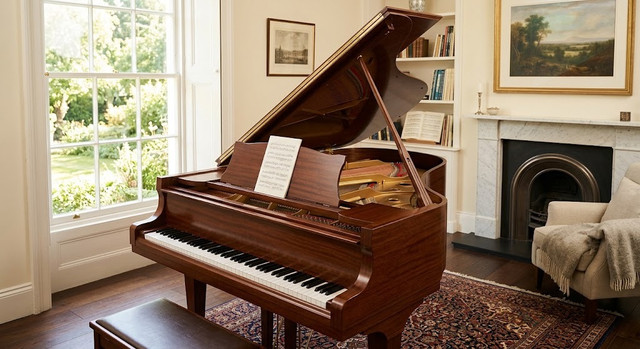
Owning a piano is a long-term experience. Unlike many household items, a well-made piano can remain useful for decades and may even become a family heirloom. Some instruments are passed from parents to children, while others are purchased second-hand and given a new place in a home.
However, a piano does not maintain itself. Regular playing, changes in the environment, age, and everyday use can all affect its condition. The good news is that basic piano maintenance is straightforward when you understand what your instrument needs.
Taking care of a piano is not only about making it look clean. It is also about protecting its sound, mechanical components, and overall condition.
Start With the Piano’s Location
The location of a piano can have a significant effect on its long-term condition.
Pianos contain a large amount of wood, and wood reacts naturally to temperature and humidity. For this reason, it is better to place a piano somewhere with reasonably stable indoor conditions.
Try to avoid putting the instrument directly beside a radiator, heater, fireplace, or air-conditioning vent. These sources can create sudden changes in temperature around the piano.
Direct sunlight can also affect the finish of the cabinet over time.
A suitable location will not prevent every environmental change, but it can reduce unnecessary stress on the instrument.
Keep the Keyboard Clean
The keyboard is one of the easiest parts of a piano to maintain.
Dust, fingerprints, and oils from your hands can gradually build up on the keys. Wiping them gently with an appropriate soft cloth can help keep the keyboard clean.
Avoid soaking the keys or using strong household chemicals.
If you are unsure which cleaning products are suitable for your particular piano, check the manufacturer’s recommendations or ask a professional.
A simple habit such as washing your hands before playing can also reduce the amount of dirt transferred to the keys.
Protect the Piano From Liquids
One of the easiest ways to cause accidental damage is to place drinks on or near a piano.
A spilled drink can damage the finish and, if liquid reaches the inside of the instrument, potentially affect delicate components.
It is best to keep drinks on a separate table rather than on top of the piano.
This is particularly important in homes with children, where accidental spills are more likely.
Understand the Importance of Tuning
A piano can look perfect while gradually becoming out of tune.
The strings inside the instrument are under significant tension, and their tension changes naturally over time. Temperature, humidity, how frequently the piano is played, and the age of the instrument can all affect pitch.
Regular piano tuning helps maintain the instrument’s sound and gives owners an opportunity to identify other issues.
Some people only think about tuning when the piano sounds obviously wrong. However, regular maintenance can make it easier to keep the instrument stable rather than waiting until the pitch has changed significantly.
How Often Should You Arrange Maintenance?
There is no universal schedule for every piano.
A piano used every day by a serious musician may require more frequent attention than one that is played occasionally.
New pianos can also require additional tuning during their early years because their strings and wooden components are still settling.
Older instruments may need more attention depending on their condition and maintenance history.
If you are unsure about your piano’s needs, a professional can assess the instrument and recommend an appropriate schedule.
Pay Attention to Unusual Sounds
Your ears can tell you a lot about the condition of your piano.
Listen for notes that sound different from the others. Pay attention to buzzing, rattling, clicking, or other unusual noises.
Not every strange sound is caused by tuning.
A buzzing noise could come from a loose component, while a sticking key could indicate a mechanical issue.
The important thing is not to ignore repeated changes.
If something sounds different, making a note of when the problem occurs can help a technician identify the cause.
Check the Keys
The keys should generally move smoothly and return to their normal position after being pressed.
If a key feels unusually heavy, sticks, moves differently from the others, or produces a strange sound, it may require attention.
Do not force a sticking key.
Pianos contain complicated mechanisms beneath the keyboard, and attempting to repair them without proper knowledge can cause further damage.
A professional can inspect the action and determine what needs to be adjusted or replaced.
Older Pianos Need Individual Attention
An older piano can be a wonderful instrument, but it should be evaluated based on its actual condition rather than its age alone.
Some old pianos have been maintained carefully and remain in excellent condition. Others may have experienced years of heavy use or unsuitable storage.
If you own an older piano, it can be useful to learn more about its history.
The manufacturer’s name, model, and serial number may help you discover approximately when it was produced.
Understanding the age of the instrument can provide useful context when discussing maintenance.
Use Piano Tools to Learn More
Technology has created some interesting tools for piano owners.
A pitch checker, for example, can be used to explore the frequency of individual notes. This can be especially interesting for beginners who want to understand how pitch works.
There are also tools that can help owners investigate the approximate age of a piano.
These resources can make piano ownership more interactive. Instead of simply playing the instrument, you can learn more about how it works and where it came from.
However, digital tools should not replace professional maintenance when the piano requires adjustment or repair.
Be Careful When Moving the Instrument
A piano is extremely heavy and has many delicate internal components.
If you need to move it, using experienced piano movers is generally safer than trying to move it with ordinary household equipment.
Once the piano has been transported, it may need some time to settle into its new environment.
A significant move can affect the instrument’s stability, especially when it involves a major change in temperature or humidity.
Having the piano checked after a move can help ensure that everything is functioning as expected.
Keep a Maintenance Record
A simple maintenance record can make piano ownership easier.
Write down the date of each professional appointment and any recommendations you receive.
If a technician notices a component that may need attention in the future, record that information as well.
Over several years, this record can give you a useful history of how the piano has been maintained.
This is especially helpful if you eventually sell the instrument or pass it on to another family member.
Don’t Wait for a Major Problem
One of the biggest mistakes piano owners can make is ignoring small changes.
A key that occasionally sticks, a note that sounds different, or a gradual change in pitch may seem unimportant.
However, identifying problems early can sometimes prevent them from becoming more complicated.
Regular observation and professional maintenance are generally easier than dealing with a major problem after years of neglect.
Creating a Simple Piano Care Routine
You do not need to spend hours every week maintaining your piano.
A simple routine can include wiping the keyboard, keeping liquids away, checking the room environment, listening for unusual sounds, and keeping track of professional service.
The more familiar you become with your instrument, the easier it will be to notice changes.
Even spending a few minutes playing the piano regularly can help you understand its normal sound and feel.
Final Thoughts
Piano maintenance is mostly about consistency.
Keeping the instrument in a suitable location, protecting it from liquids and extreme environmental conditions, cleaning the keyboard carefully, and paying attention to unusual sounds can all contribute to its long-term condition.
Professional maintenance is equally important. Regular tuning can keep the instrument sounding balanced, while inspections can identify mechanical problems that are difficult for owners to see themselves.
Whether your piano is new, old, frequently played, or mostly decorative, taking care of it is worthwhile.
A piano can remain part of a home for many years, and simple maintenance habits can help ensure that it continues to provide beautiful music whenever someone sits down at the keyboard.
Anyone can join.
Anyone can contribute.
Anyone can become informed about their world.
"United We Stand" Click Here To Create Your Personal Citizen Journalist Account Today, Be Sure To Invite Your Friends.
Before It’s News® is a community of individuals who report on what’s going on around them, from all around the world. Anyone can join. Anyone can contribute. Anyone can become informed about their world. "United We Stand" Click Here To Create Your Personal Citizen Journalist Account Today, Be Sure To Invite Your Friends.
LION'S MANE PRODUCT
Try Our Lion’s Mane WHOLE MIND Nootropic Blend 60 Capsules
Mushrooms are having a moment. One fabulous fungus in particular, lion’s mane, may help improve memory, depression and anxiety symptoms. They are also an excellent source of nutrients that show promise as a therapy for dementia, and other neurodegenerative diseases. If you’re living with anxiety or depression, you may be curious about all the therapy options out there — including the natural ones.Our Lion’s Mane WHOLE MIND Nootropic Blend has been formulated to utilize the potency of Lion’s mane but also include the benefits of four other Highly Beneficial Mushrooms. Synergistically, they work together to Build your health through improving cognitive function and immunity regardless of your age. Our Nootropic not only improves your Cognitive Function and Activates your Immune System, but it benefits growth of Essential Gut Flora, further enhancing your Vitality.

Our Formula includes: Lion’s Mane Mushrooms which Increase Brain Power through nerve growth, lessen anxiety, reduce depression, and improve concentration. Its an excellent adaptogen, promotes sleep and improves immunity. Shiitake Mushrooms which Fight cancer cells and infectious disease, boost the immune system, promotes brain function, and serves as a source of B vitamins. Maitake Mushrooms which regulate blood sugar levels of diabetics, reduce hypertension and boosts the immune system. Reishi Mushrooms which Fight inflammation, liver disease, fatigue, tumor growth and cancer. They Improve skin disorders and soothes digestive problems, stomach ulcers and leaky gut syndrome. Chaga Mushrooms which have anti-aging effects, boost immune function, improve stamina and athletic performance, even act as a natural aphrodisiac, fighting diabetes and improving liver function. Try Our Lion’s Mane WHOLE MIND Nootropic Blend 60 Capsules Today. Be 100% Satisfied or Receive a Full Money Back Guarantee. Order Yours Today by Following This Link.


| Visits: | 1,829,951,728 |
| Stories: | 8,692,255 |
Whistler Blowers, Insiders

