
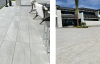
What Are Porcelain Pool Tiles? A Complete Guide

Swimming pools are an attractive feature of modern homes, hotels, resorts, and commercial properties. Whether you are building a new swimming pool or renovating an existing one, selecting the right tiles is essential for achieving a beautiful, durable, and functional finish. Among the many available options, porcelain pool tiles have become increasingly popular because of their design versatility, low water absorption, durability, and relatively easy maintenance.
From swimming pool interiors and waterlines to pool decks and coping, porcelain tiles can transform ordinary outdoor spaces into elegant and inviting environments. They are available in a wide range of colors, patterns, textures, and sizes, making them suitable for contemporary, traditional, and luxury pool designs.
In this complete guide, we will explain what porcelain pool tiles are, explore their benefits and types, discuss their applications, and share practical tips for choosing, installing, and maintaining the right tiles for your swimming pool.
What Are Porcelain Pool Tiles?
Porcelain pool tiles are manufactured from refined clay and other natural materials that are processed and fired at high temperatures. This manufacturing process creates a dense, hard material with very low water absorption, making appropriately rated porcelain tiles suitable for many swimming pool and outdoor applications.
Unlike some traditional flooring materials, porcelain offers considerable design flexibility. It can reproduce the appearance of natural stone, marble, concrete, and other decorative surfaces while providing a consistent finish.
Porcelain tiles are available in different formats, including small mosaics, standard-sized tiles, and large-format paving slabs. Smaller tiles can be useful for decorative patterns and certain curved surfaces, while larger formats can create a clean, modern appearance in pool surrounds and outdoor living areas.
However, not every porcelain tile is suitable for every swimming pool application. Tiles installed underwater must be appropriate for continuous immersion, while tiles used around the pool must provide suitable slip resistance and weather performance. Selecting the correct product for each application is essential for long-term performance.
Benefits of Using Porcelain Pool Tiles
Porcelain pool tiles offer several advantages that make them an appealing choice for residential and commercial swimming pool projects.
1. Low Water Absorption
One of the main benefits of porcelain pool tiles is their low water absorption. Their dense structure limits the amount of moisture absorbed by the tile itself, making suitable products useful in areas exposed to frequent water contact.
This characteristic can help reduce moisture-related deterioration of the tile material. However, low water absorption does not eliminate the need for appropriate waterproofing, compatible adhesives, suitable grout, and correct installation methods.
For swimming pool interiors, always select tiles and installation materials specifically approved for continuous water immersion.
2. Durability and Strength
Porcelain tiles are known for their hardness and resistance to everyday wear. When the correct product is selected and installed properly, porcelain can provide a long-lasting finish for swimming pool interiors and surrounding areas.
The strength and thickness required depend on the intended application. Pool interior tiles, pedestrian pool decks, and areas exposed to heavier loads may need different specifications.
Proper substrate preparation and installation are equally important. Even high-quality porcelain tiles can crack or become loose if they are installed over an unsuitable surface.
3. Stylish and Versatile Designs
Another major advantage of porcelain pool tiles is the variety of available designs. Homeowners and designers can choose finishes that complement the property’s architecture and landscaping.
Popular design options include:
-
Blue porcelain tiles: Create a classic swimming pool appearance with attractive blue and aqua tones.
-
Stone-look porcelain tiles: Provide the natural appearance of stone with a more consistent manufactured finish.
-
Marble-look porcelain tiles: Add a sophisticated touch to luxury pools and upscale outdoor spaces.
-
Grey porcelain tiles: Complement contemporary architecture and minimalist landscaping.
-
Neutral beige tiles: Create a warm, natural appearance that works well with gardens and outdoor seating areas.
-
Porcelain mosaic tiles: Allow decorative borders, patterns, and detailed designs.
These options make it easier to create a coordinated look between the swimming pool, pool deck, patio, and surrounding landscape.
4. Easy Cleaning and Maintenance
Porcelain pool tiles are generally easy to maintain because their dense surfaces resist the absorption of many common stains. Regular cleaning can help remove dirt, sunscreen residue, algae, and mineral deposits.
For routine maintenance, use a suitable cleaner recommended for porcelain and the associated grout system. Avoid harsh cleaning products unless the manufacturer confirms they are compatible with the installed materials.
Textured pool deck tiles and grout joints may require additional attention because dirt can collect in their surfaces. Regular cleaning and proper pool water maintenance help preserve the appearance of the entire pool area.
5. Resistance to Many Common Stains
The low porosity of porcelain helps reduce staining from many substances commonly encountered around swimming pools. This can be particularly beneficial for pool decks, outdoor showers, and entertainment areas where dirt, leaves, and everyday spills may occur.
However, stain resistance varies according to the tile finish and the materials used during installation. Grout, sealants, and other components may require different cleaning procedures.
Removing spills and deposits promptly can help maintain the original appearance of the surface.
6. Suitable Options for Outdoor Environments
Porcelain tiles are available in products specifically designed for outdoor use. These products can be suitable for pool decks, patios, terraces, and other exterior areas when selected according to the local climate and installation requirements.
For projects in colder climates, verify that the tiles and complete installation system are suitable for freeze-thaw conditions. In warmer climates, lighter-colored surfaces may help reduce heat absorption, although the actual surface temperature depends on the material, finish, sunlight, and surrounding conditions.
Different Types of Porcelain Pool Tiles
Understanding the different types of porcelain tiles can help you choose the right material for each part of your swimming pool project.
1. Porcelain Pool Interior Tiles
Porcelain pool interior tiles are designed for use inside swimming pools, where they remain exposed to water for extended periods.
They are available in various colors and sizes, allowing designers to create everything from simple blue pool interiors to elaborate decorative patterns.
When selecting these tiles, confirm that they are suitable for continuous immersion and compatible with the pool’s construction, adhesive, grout, and waterproofing system.
2. Porcelain Pool Deck Tiles
Porcelain pool deck tiles are installed around the swimming pool to create a comfortable and attractive walking area. They can also be used for sunbathing spaces, outdoor seating areas, and pathways connecting the pool with the garden.
Outdoor-rated porcelain pavers are available in textured finishes designed to provide traction in wet conditions. When choosing pool deck tiles, consider slip resistance, drainage, surface comfort, and the amount of direct sunlight the area receives.
The installation system should also provide appropriate support and allow water to drain effectively.
3. Porcelain Pool Coping
Pool coping is the finishing material installed along the edge of a swimming pool. It creates a transition between the pool structure and the surrounding deck while contributing to the overall appearance of the design.
Porcelain pool coping is available in different colors, finishes, thicknesses, and edge profiles. Matching the coping with the pool deck can create a seamless and coordinated appearance.
The selected coping system should be appropriate for the pool’s construction and include suitable detailing for drainage, movement, and safety.
4. Porcelain Mosaic Tiles
Porcelain mosaic tiles consist of small individual pieces arranged in patterns or mounted on sheets. They are useful for decorative borders, waterline details, and certain curved surfaces.
Mosaics can introduce visual interest without requiring a completely different material throughout the pool. They are available in a variety of colors and patterns to complement the main pool finish.
For underwater use, check that the tiles, sheet backing, adhesives, and grout are suitable for continuous immersion.
Where Can Porcelain Pool Tiles Be Used?
Porcelain pool tiles can be incorporated into several areas of residential and commercial properties.
Swimming Pool Interiors
Appropriately rated porcelain tiles can create an attractive finish inside the pool. The choice of color and pattern influences the overall appearance of the water and complements the surrounding architecture.
Pool Waterlines
Waterline tiles provide a decorative border around the swimming pool at the water’s edge. They can introduce a contrasting color or pattern while helping define the pool’s overall design.
Pool Decks and Surrounds
Outdoor porcelain pavers can be used to create a coordinated area for walking, relaxing, and entertaining. Matching the deck tiles with the coping helps create a polished finish.
Poolside Patios
Porcelain paving can extend the swimming pool’s design into nearby patios, outdoor dining areas, and garden seating spaces. This creates a unified outdoor environment that is suitable for everyday relaxation and social gatherings.
Outdoor Showers and Poolside Walls
Suitable porcelain tiles can also be used for outdoor showers and decorative walls near swimming pools. Their range of colors and finishes makes it easier to coordinate these areas with the main pool design.
Hotels, Resorts, and Commercial Pools
Porcelain pool tiles are also used in hospitality projects where appearance, maintenance, and durability are important. Hotels, resorts, spas, and recreational facilities can use different porcelain finishes to create attractive pool environments suited to their design requirements.
How to Choose the Best Porcelain Pool Tiles
Choosing the right porcelain pool tiles requires careful consideration of both appearance and performance.
1. Identify the Intended Application
Start by determining where the tiles will be installed. Pool interiors, waterline areas, coping, and pool decks have different technical requirements.
Choose a product specifically recommended for the intended location rather than assuming that all porcelain tiles are interchangeable.
2. Check Slip Resistance
Slip resistance is an important safety consideration around swimming pools, where floors may become wet and slippery.
For pool decks, choose a suitable textured finish and review the manufacturer’s slip-resistance test results. Consider barefoot use, expected wet conditions, local safety requirements, and the needs of children and older adults.
A tile’s appearance alone cannot establish whether it provides adequate traction.
3. Select the Right Color and Finish
The color of your pool tiles can influence the appearance of the entire outdoor space. Blue and aqua shades create a traditional swimming pool look, while grey and beige finishes complement modern and natural designs.
Stone-look tiles can coordinate well with landscaped gardens, while marble-look designs may suit luxury properties.
Consider how the chosen color will look in direct sunlight, shade, and artificial lighting before making your final decision.
4. Choose the Appropriate Tile Size
Large-format porcelain tiles can create a spacious, contemporary appearance with fewer visible joints. Smaller tiles and mosaics are useful for decorative patterns and certain curved surfaces.
The appropriate tile size depends on the pool’s shape, substrate, drainage requirements, and installation method. Ask your installer to confirm that the selected format is suitable for the project.
5. Review Product Specifications
Before purchasing porcelain pool tiles, review the manufacturer’s technical documentation. Important specifications include water absorption, strength, slip resistance, chemical compatibility, exterior-use suitability, and dimensional tolerances.
For pool interiors, verify continuous-immersion suitability. For outdoor decks, check weather resistance and the appropriate surface finish.
6. Consider Your Maintenance Needs
Some finishes are easier to clean than others. Textured surfaces may provide useful traction but can require more frequent cleaning than smoother surfaces.
Consider the tile finish, grout color, cleaning products, and the amount of maintenance you are willing to perform.
Porcelain Pool Tiles vs. Other Pool Finishes
Porcelain pool tiles are often compared with natural stone, glass mosaics, and other ceramic tiles.
Porcelain pool tiles: Offer low water absorption, a wide range of designs, and relatively straightforward maintenance when the correct product is selected.
Natural stone: Provides distinctive natural patterns and textures. However, maintenance requirements and chemical resistance vary depending on the type of stone.
Glass mosaic tiles: Offer reflective surfaces and vibrant colors, making them popular for decorative pool interiors and waterline features.
Other ceramic tiles: May be suitable for specific applications, but not every ceramic tile is designed for continuous immersion or outdoor pool environments.
The best material depends on the project budget, desired appearance, technical requirements, and maintenance expectations. The quality of the installation system is just as important as the selected tile.
Porcelain Pool Tile Installation: Important Considerations
Correct installation is essential for the long-term performance of porcelain pool tiles. Poor preparation, incompatible adhesives, unsuitable grout, or inadequate waterproofing can result in loose tiles, cracked joints, and water infiltration.
A typical installation process includes the following steps:
-
Prepare the substrate: Ensure the surface is stable, clean, and appropriate for the selected installation system.
-
Address waterproofing: Install the required waterproofing system according to the pool’s construction and design.
-
Choose compatible materials: Use adhesives, grout, and installation products approved for the intended pool application.
-
Install the tiles carefully: Follow the manufacturer’s instructions for coverage, joint spacing, alignment, and curing.
-
Complete the joints and edges: Use suitable grout and movement-joint details at transitions and changes in plane.
-
Allow adequate curing: Follow the installation system’s specified curing period before filling the pool or exposing the surface to water.
Swimming pool installation involves specialized technical requirements, so professional installation is recommended for reliable results.
How to Maintain Porcelain Pool Tiles
Regular maintenance helps keep porcelain pool tiles attractive and functional.
-
Clean tile surfaces regularly to remove dirt, algae, and mineral deposits.
-
Maintain pool water chemistry according to professional recommendations.
-
Inspect grout joints and movement joints for cracks or deterioration.
-
Use cleaning products compatible with the tiles, grout, and pool system.
-
Remove mineral deposits with suitable products recommended for the installed materials.
-
Check pool decks for standing water, blocked drainage, and other surface problems.
-
Repair loose tiles or damaged joints promptly to help prevent further deterioration.
Following a consistent cleaning routine can preserve the appearance of the pool area and help identify potential problems before they become more serious.
Are Porcelain Pool Tiles Worth the Investment?
Porcelain pool tiles can be a worthwhile investment for homeowners and commercial property owners seeking a stylish, durable, and relatively low-maintenance pool finish.
Their versatility allows them to complement a wide range of architectural styles, from simple residential swimming pools to luxury resort environments. Low water absorption and a broad selection of finishes make suitable porcelain products attractive for many pool-related applications.
However, total project costs depend on tile quality, size, finish, installation complexity, labor, waterproofing, and supporting materials. Comparing the full installed cost rather than the tile price alone will help you make a more informed decision.
Choosing a suitable product and hiring experienced installers can also help reduce the likelihood of premature repairs.
Conclusion
Porcelain pool tiles provide an attractive combination of design flexibility, low water absorption, durability, and ease of maintenance. They can be used in suitable applications ranging from swimming pool interiors and waterlines to pool decks, coping, and surrounding outdoor living spaces.
To achieve the best results, select tiles according to their intended application, review their technical specifications, and ensure that the installation system meets the necessary performance and safety requirements.
Whether you are constructing a new swimming pool or renovating an existing one, the right porcelain pool tiles can help create a beautiful, functional, and inviting outdoor environment.
Explore the available porcelain pool tile designs and choose a solution that complements your property’s architecture, meets your practical needs, and fits your project budget.
SEO details
-
SEO title: What Are Porcelain Pool Tiles? A Complete Guide
-
Meta description: Discover the benefits, ty
Anyone can join.
Anyone can contribute.
Anyone can become informed about their world.
"United We Stand" Click Here To Create Your Personal Citizen Journalist Account Today, Be Sure To Invite Your Friends.
Before It’s News® is a community of individuals who report on what’s going on around them, from all around the world. Anyone can join. Anyone can contribute. Anyone can become informed about their world. "United We Stand" Click Here To Create Your Personal Citizen Journalist Account Today, Be Sure To Invite Your Friends.
LION'S MANE PRODUCT
Try Our Lion’s Mane WHOLE MIND Nootropic Blend 60 Capsules
Mushrooms are having a moment. One fabulous fungus in particular, lion’s mane, may help improve memory, depression and anxiety symptoms. They are also an excellent source of nutrients that show promise as a therapy for dementia, and other neurodegenerative diseases. If you’re living with anxiety or depression, you may be curious about all the therapy options out there — including the natural ones.Our Lion’s Mane WHOLE MIND Nootropic Blend has been formulated to utilize the potency of Lion’s mane but also include the benefits of four other Highly Beneficial Mushrooms. Synergistically, they work together to Build your health through improving cognitive function and immunity regardless of your age. Our Nootropic not only improves your Cognitive Function and Activates your Immune System, but it benefits growth of Essential Gut Flora, further enhancing your Vitality.

Our Formula includes: Lion’s Mane Mushrooms which Increase Brain Power through nerve growth, lessen anxiety, reduce depression, and improve concentration. Its an excellent adaptogen, promotes sleep and improves immunity. Shiitake Mushrooms which Fight cancer cells and infectious disease, boost the immune system, promotes brain function, and serves as a source of B vitamins. Maitake Mushrooms which regulate blood sugar levels of diabetics, reduce hypertension and boosts the immune system. Reishi Mushrooms which Fight inflammation, liver disease, fatigue, tumor growth and cancer. They Improve skin disorders and soothes digestive problems, stomach ulcers and leaky gut syndrome. Chaga Mushrooms which have anti-aging effects, boost immune function, improve stamina and athletic performance, even act as a natural aphrodisiac, fighting diabetes and improving liver function. Try Our Lion’s Mane WHOLE MIND Nootropic Blend 60 Capsules Today. Be 100% Satisfied or Receive a Full Money Back Guarantee. Order Yours Today by Following This Link.


| Visits: | 1,835,470,850 |
| Stories: | 8,723,884 |
Whistler Blowers, Insiders

