

Building Better Purple Food Products: Ingredient Selection, Stability, and Supply Planning

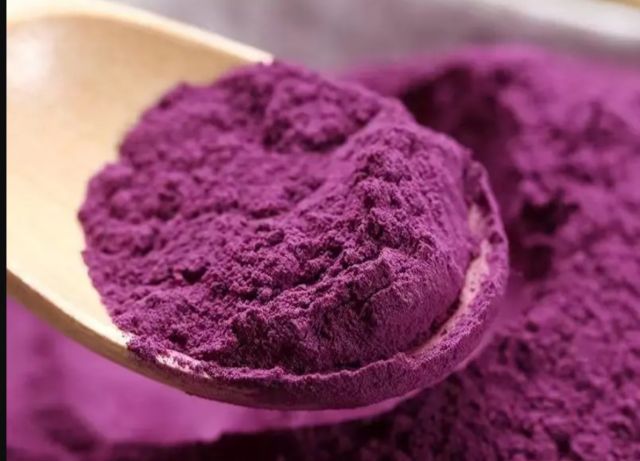
Purple foods have become a familiar sight in smoothies, bakery products, desserts, snack foods, and contemporary beverage menus. Their appeal comes from a combination of distinctive colour, culinary versatility, and the opportunity to introduce ingredients associated with traditional crops. For food manufacturers, however, turning a purple ingredient into a reliable commercial product requires more than selecting an attractive shade. Taste, texture, processing conditions, storage stability, and supplier consistency all influence the final result.
Ube, commonly known as purple yam, is one ingredient attracting interest across several food categories. Its naturally distinctive colour and starchy character make it useful in applications ranging from sweet fillings to powdered drink mixes. Manufacturers exploring this ingredient should evaluate its functional properties alongside its visual appeal.
Understanding the Ingredient Behind the Colour
Ube is a yam variety associated with Filipino cuisine. It is commonly used in desserts, pastries, ice cream, and other sweet preparations. Depending on the raw material and processing method, the resulting powder may offer a characteristic purple appearance and a flavour profile that complements vanilla, coconut, dairy, and other dessert ingredients.
A commercial powder can help manufacturers develop recipes without handling fresh roots during every production cycle. Powdered ingredients can simplify weighing, storage, transportation, and incorporation into dry blends. They may also help reduce preparation steps, although the exact benefits depend on the powder’s specifications and the formulation in which it is used.
Before selecting an ingredient, product developers should confirm whether they need a whole-food powder, a concentrated extract, or a specially processed ingredient. These formats are not interchangeable. Each can differ in flavour, colour intensity, starch content, solubility, and behaviour during heating.
Applications Across Modern Food Categories
Bakery and dessert products
Purple yam powder can be considered for cakes, cookies, bread fillings, pancakes, pastries, and dessert mixes. It may contribute both colour and a distinctive flavour, helping manufacturers create a recognisable product identity. The final shade depends on the recipe, ingredient concentration, pH, moisture, and thermal processing.
In baked products, formulation trials are particularly important. Adding a coloured plant powder can influence moisture absorption, dough consistency, and finished texture. Manufacturers should test several inclusion rates and adjust liquid or dry ingredients when necessary. A successful formula must maintain the intended appearance without making the finished product too dense, dry, or difficult to process.
Beverages and powdered mixes
Ube-inspired drinks, instant beverage blends, and smoothie powders offer another potential application. A powder designed for beverage use should be evaluated for dispersion, sedimentation, flavour release, and compatibility with the liquid base. A product intended for hot milk may behave differently from one mixed with cold water.
Manufacturers should not assume that a powder will dissolve completely simply because it is finely milled. Some plant powders disperse rather than dissolve. Small-scale testing can reveal whether additional mixing, a different particle size, or a suitable carrier is needed.
Ice cream and frozen desserts
Frozen desserts often depend on consistent colour and flavour across batches. Ube powder may be tested in ice cream, frozen yoghurt, dessert sauces, and plant-based frozen formulations. The ingredient’s performance should be assessed after freezing and thawing, not only in the freshly mixed base.
What Buyers Should Evaluate Before Ordering
Ingredient identity and specifications
A purchasing team should request a specification sheet that clearly identifies the botanical source, ingredient format, physical characteristics, and intended application. It should also clarify whether the product contains carriers, processing aids, added colours, or other ingredients.
The name on a quotation should match the actual material being supplied. This is especially important when comparing whole-food powders with concentrated extracts, because the two may perform differently in a recipe.
Microbiological and contaminant controls
Food manufacturers should review the supplier’s quality documentation and confirm which microbiological parameters, contaminants, and other tests are relevant to their product category and destination market. Requirements vary by jurisdiction and intended use, so buyers should verify the applicable rules rather than relying on a general claim that an ingredient is suitable for every application.
Colour and sensory consistency
Natural ingredients can vary between harvests and production lots. A manufacturer should establish acceptable limits for colour, flavour, aroma, and other important attributes. Reference samples can help purchasing and quality teams compare future deliveries against the approved material.
Packaging and storage
Packaging must protect the powder against moisture, contamination, and unsuitable storage conditions. Buyers should ask about the recommended storage environment, shelf life, packaging sizes, and handling instructions. These details affect warehouse planning and production scheduling.
Testing the Ingredient in a Finished Formula
The best supplier specification cannot replace product-development trials. A structured trial should begin with a control formula and several measured inclusion levels. Record the powder quantity, mixing time, liquid ratio, processing temperature, and final product characteristics.
Assess the result immediately after production and again after an appropriate storage period. Depending on the product, the evaluation may include colour retention, aroma, texture, flavour balance, dispersion, and consumer acceptance. Manufacturers should also examine how the ingredient interacts with other colours, flavours, stabilisers, and sweeteners.
For large-scale production, pilot batches can help identify issues that are not obvious in laboratory samples. Mixing equipment, heating rates, and holding times can affect the final outcome.
Planning a Dependable Supply Relationship
A reliable ingredient programme involves more than finding a low purchase price. Buyers should consider specification consistency, communication, production capacity, documentation, lead times, packaging options, and the supplier’s process for handling quality complaints.
For businesses evaluating green spring technology Bulk Ube Powder Wholesale the next step is to request current specifications and a sample for application testing. Confirm the available grade, packaging format, minimum order quantity, and documentation before finalising a commercial order.
Forecasting also matters. Seasonal demand, promotional launches, and product extensions can create sudden increases in ingredient requirements. A rolling forecast gives suppliers and manufacturers a clearer view of expected volumes while helping the buyer avoid unnecessary inventory.
FAQs
1. Can purple yam powder be used in both hot and cold products?
Potentially, but performance depends on the powder’s processing, particle size, and formulation. Test it in the actual hot or cold application before approving it for production.
2. Is purple yam powder the same as a concentrated purple plant extract?
No. A whole-food powder and a concentrated extract may differ in composition, flavour, colour strength, and processing behaviour. Confirm the ingredient format with the supplier.
3. What documents should a commercial buyer request?
Common requests include a product specification, certificate of analysis for the relevant lot, ingredient declaration, allergen information, storage guidance, and applicable quality or safety documentation. Exact requirements depend on the market and application.
Conclusion
Purple yam ingredients can help food manufacturers develop visually distinctive products across bakery, beverage, and dessert categories. Their commercial success depends on choosing the correct ingredient format, testing the powder in the intended recipe, establishing measurable quality standards, and maintaining a dependable supply relationship. Careful evaluation before bulk purchasing helps reduce formulation surprises and supports more consistent production.
Anyone can join.
Anyone can contribute.
Anyone can become informed about their world.
"United We Stand" Click Here To Create Your Personal Citizen Journalist Account Today, Be Sure To Invite Your Friends.
Before It’s News® is a community of individuals who report on what’s going on around them, from all around the world. Anyone can join. Anyone can contribute. Anyone can become informed about their world. "United We Stand" Click Here To Create Your Personal Citizen Journalist Account Today, Be Sure To Invite Your Friends.
LION'S MANE PRODUCT
Try Our Lion’s Mane WHOLE MIND Nootropic Blend 60 Capsules
Mushrooms are having a moment. One fabulous fungus in particular, lion’s mane, may help improve memory, depression and anxiety symptoms. They are also an excellent source of nutrients that show promise as a therapy for dementia, and other neurodegenerative diseases. If you’re living with anxiety or depression, you may be curious about all the therapy options out there — including the natural ones.Our Lion’s Mane WHOLE MIND Nootropic Blend has been formulated to utilize the potency of Lion’s mane but also include the benefits of four other Highly Beneficial Mushrooms. Synergistically, they work together to Build your health through improving cognitive function and immunity regardless of your age. Our Nootropic not only improves your Cognitive Function and Activates your Immune System, but it benefits growth of Essential Gut Flora, further enhancing your Vitality.

Our Formula includes: Lion’s Mane Mushrooms which Increase Brain Power through nerve growth, lessen anxiety, reduce depression, and improve concentration. Its an excellent adaptogen, promotes sleep and improves immunity. Shiitake Mushrooms which Fight cancer cells and infectious disease, boost the immune system, promotes brain function, and serves as a source of B vitamins. Maitake Mushrooms which regulate blood sugar levels of diabetics, reduce hypertension and boosts the immune system. Reishi Mushrooms which Fight inflammation, liver disease, fatigue, tumor growth and cancer. They Improve skin disorders and soothes digestive problems, stomach ulcers and leaky gut syndrome. Chaga Mushrooms which have anti-aging effects, boost immune function, improve stamina and athletic performance, even act as a natural aphrodisiac, fighting diabetes and improving liver function. Try Our Lion’s Mane WHOLE MIND Nootropic Blend 60 Capsules Today. Be 100% Satisfied or Receive a Full Money Back Guarantee. Order Yours Today by Following This Link.


| Visits: | 1,837,265,332 |
| Stories: | 8,732,358 |
Whistler Blowers, Insiders

