

White House Religious Liberty Commission presents recommendations

The White House Religious Liberty Commission released its final report offering its recommendations to strengthen religious freedom in the United States.
On June 28, during a presentation in the Oval Office, members of the Commission, led by Texas Lt. Gov. Dan Patrick, delivered the final report to President Donald Trump.
The report includes detailed recommendations for religious leaders and institutions, educators, teachers, coaches and administrators, parents, the military, religious healthcare workers and institutions, and the private sector. It also includes calls for action on efforts to combat antisemitism.
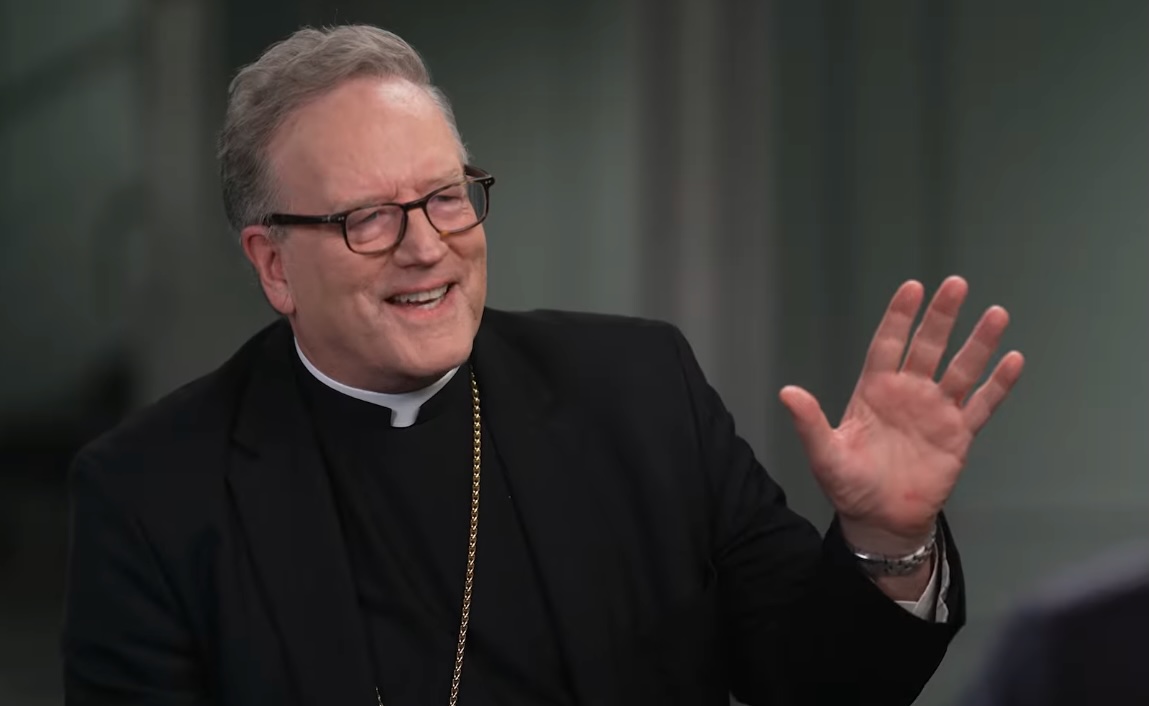
Established by Trump in May 2025, the commission was “formed to finally advise the president as to legislation, or executive orders, or other moves he could make to foster religious liberty,” Bishop Robert Barron of Winona-Rochester, Minnesota, a member of the commission, told EWTN News Nightly’s Veronica Dudo.
“Our purpose was to listen to lots of witnesses, and we did. I think itʼs well over 100 people we listened to in education, health care, the military,” he said.
“We looked at antisemitism” and “we listened to scholars talk about the Founding Fathers,” he said. “The whole purpose was to determine to what degree religious liberty is being threatened in our country, and then what recommendations we can make to the president.”
“I respect President Trump very much. Heʼs the president in my lifetime whoʼs done the most for the defense of religious liberty,” Barron said.
I respect President Trump very much. Heʼs the president in my lifetime whoʼs done the most for the defense of religious liberty.”
Robert BarronBishop of Winona-Rochester
“Itʼs the first mention in the First Amendment and itʼs basic to our democracy,” he said. “I think this commission focused on that a lot. We kept coming back to that basic insight: This is the first liberty.”
“When religious liberty is threatened, all the other liberties are threatened. And so we wanted to revive a sense of the Founding Fathers and the stress that they placed on it,” he said.
The completed report is based on findings from the seven hearings that the commission held over the past year, receiving input from witnesses of diverse ages, religions, and backgrounds.
“I was struck by the courage of a lot of these people because their religious liberty really was threatened,” Barron said. “Iʼm glad they came forward and…we were an opportunity for them to express their concerns to the government.”
“Among the recommendations we make, we want education to happen so that the Justice Department can really be clear on…what religious liberty means, what your rights are, what the separation of church and state does and doesnʼt mean. So part of that is educational,” Barron said.
Key recommendations ‘for all Americans’
Among the many suggestions, the commission highlighted “12 key recommendations to strengthen religious liberty for all Americans,” according to the report.
The commission recommended that the Department of Justice (DOJ) issue guidance clarifying the understanding of the Establishment Clause and separation of church and state, because “the phrase ‘wall of separation between church and state’ does not appear in the First Amendment or anywhere else in the Constitution,” the report noted.
Instead, the wording originates from President Thomas Jefferson’s 1802 letter to the Danbury Baptist Association, where he described the First Amendment as building a “wall of separation between Church & State.”
Because the language is not in the Constitution, “donʼt be cowed” by the claims of “separation of church and state, a wall of separation, therefore, retreat into silence, retreat into privacy with your religion,” Barron said. “I say, no, donʼt buy that.”
“Go back to the First Amendment of our Constitution,” he said. “We donʼt want an established religion. No one in our commission wants that. None of the Founding Fathers wanted that.”
“But at the same time…The government shall make no move restricting the free exercise of religion,” he said.
Many of the panel’s recommendations focused on creating clarity so people know their rights, and have ways to receive help if they feel their rights have been violated.
The commission urged that if any public official alleges a person under their supervision has improperly engaged in religious expression, they must provide a written explanation of the alleged violation to the person accused within 30 days, and explain the charge based on a constitutional provision or provision of law.
It recommended the DOJ, Department of Health and Human Services (HHS), and Equal Employment Opportunity Commission (EEOC) issue “Know Your Rights” posters for students, parents, public school teachers and administrators, religious leaders, religious institutions, healthcare workers, and military service members.
The commission also suggests the DOJ, HHS, and EEOC create religious liberty violation hotlines and online portals for students, parents, teachers, and healthcare workers to get support.
“A number of people could call if they feel their religious liberties are being threatened,” Barron said.
“We want people to bring litigation if they can in some of these cases to press the issue. I think we want people to know that they…have friends who will support them in their struggle for this right,” he said.
The commission requests judges be nominated and confirmed who have a history of showing “courage to decide religious liberty cases on the merits where warranted, rather than engage in improper judicial avoidance,” according to the report.
The commission also called for the repeal of the Johnson Amendment, which is a 1954 provision in the U.S. tax code that prohibits nonprofits, including religious institutions, charities, and universities, from endorsing or opposing political candidates.
After speaking about antisemitism at many hearings, the commission recommended the issue be combatted through enforcement of civil rights laws, litigation of credible allegations discrimination and violence, and civic education.
The commission asked that efforts continue to restore the retirement or re-enlistment eligibility for service members who lost employment, health insurance, pensions, and other benefits because of their religious beliefs about the COVID-19 vaccine.
The commission also recommended ways of tracking and streamlining religious liberty matters. It suggested that the DOJ create a religious liberty task force to track and prioritize litigation protecting religious liberty, and the Department of War streamline and improve the religious accommodation process.
Lastly, the commission recommended that “the courage of religious liberty heroes” be honored through the creation of a Presidential Medal of Religious Liberty and First Freedom Hero Awards.
The award would “recognize Americans who stand up for religious freedom and play an indispensable role in protecting citizens’ Constitutional rights,” the report said.
Source: https://www.ewtnnews.com/world/us/white-house-religious-liberty-commission-presents-recommendations-to-trump
Anyone can join.
Anyone can contribute.
Anyone can become informed about their world.
"United We Stand" Click Here To Create Your Personal Citizen Journalist Account Today, Be Sure To Invite Your Friends.
Before It’s News® is a community of individuals who report on what’s going on around them, from all around the world. Anyone can join. Anyone can contribute. Anyone can become informed about their world. "United We Stand" Click Here To Create Your Personal Citizen Journalist Account Today, Be Sure To Invite Your Friends.
LION'S MANE PRODUCT
Try Our Lion’s Mane WHOLE MIND Nootropic Blend 60 Capsules
Mushrooms are having a moment. One fabulous fungus in particular, lion’s mane, may help improve memory, depression and anxiety symptoms. They are also an excellent source of nutrients that show promise as a therapy for dementia, and other neurodegenerative diseases. If you’re living with anxiety or depression, you may be curious about all the therapy options out there — including the natural ones.Our Lion’s Mane WHOLE MIND Nootropic Blend has been formulated to utilize the potency of Lion’s mane but also include the benefits of four other Highly Beneficial Mushrooms. Synergistically, they work together to Build your health through improving cognitive function and immunity regardless of your age. Our Nootropic not only improves your Cognitive Function and Activates your Immune System, but it benefits growth of Essential Gut Flora, further enhancing your Vitality.

Our Formula includes: Lion’s Mane Mushrooms which Increase Brain Power through nerve growth, lessen anxiety, reduce depression, and improve concentration. Its an excellent adaptogen, promotes sleep and improves immunity. Shiitake Mushrooms which Fight cancer cells and infectious disease, boost the immune system, promotes brain function, and serves as a source of B vitamins. Maitake Mushrooms which regulate blood sugar levels of diabetics, reduce hypertension and boosts the immune system. Reishi Mushrooms which Fight inflammation, liver disease, fatigue, tumor growth and cancer. They Improve skin disorders and soothes digestive problems, stomach ulcers and leaky gut syndrome. Chaga Mushrooms which have anti-aging effects, boost immune function, improve stamina and athletic performance, even act as a natural aphrodisiac, fighting diabetes and improving liver function. Try Our Lion’s Mane WHOLE MIND Nootropic Blend 60 Capsules Today. Be 100% Satisfied or Receive a Full Money Back Guarantee. Order Yours Today by Following This Link.


| Visits: | 1,823,293,428 |
| Stories: | 8,676,565 |
Whistler Blowers, Insiders

