

Designing Everyday Objects People Actually Keep

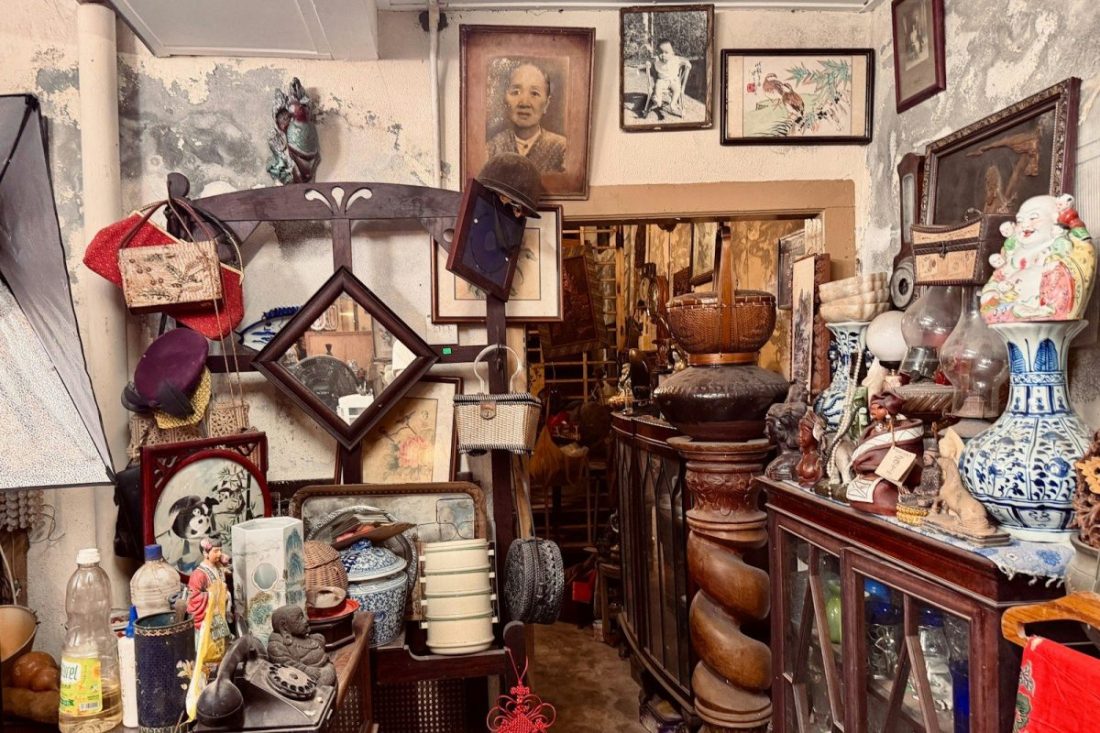
Most products don’t get thrown away because they break. They get thrown away because nobody cares about them anymore. That’s the real design problem, and it has nothing to do with materials science.
The Gap Between Durable and Loved
Engineers obsess over failure points. Tensile strength, fatigue cycles, corrosion resistance. All useful. None of it explains why a chipped ceramic mug survives twenty years in a cupboard while a perfectly functional plastic one gets tossed after six months.
A study of European consumers found that 42% of disposed durable products were still working fine when they got thrown out. Not broken. Not worn out. Just unwanted. You can read the full breakdown in the International Journal of Design. That number should worry anyone designing physical products right now.
The takeaway is simple. Physical durability and psychological durability are two different design problems, and most product teams only solve one of them.
What Makes an Object Sticky
Objects people keep tend to share a few traits. None of these are decorative flourishes. They’re structural decisions made early in the design process.
- Material honesty. Solid wood, real metal, unlacquered brass. Materials that age visibly instead of degrading invisibly.
- Repairable construction. Screws instead of adhesive. Replaceable parts instead of sealed units.
- A visible maker’s mark. A signature, a stamp, a batch number. Something that ties the object to a person or a process.
- Tolerance for wear. Surfaces that look better scratched than pristine. Patina as a feature, not a flaw.
- Personalization built into the form. Custom engraving, initials, a name plate. Something that can’t be swapped for an identical unit off a shelf.
That last point matters more than people think. Personalization changes the ownership relationship. A generic object is replaceable by definition. A personalized one isn’t. This is why small-batch product categories, like intricate custom coasters, tend to outlast their mass-produced equivalents by years, sometimes decades. The customization isn’t cosmetic. It’s what makes the object non-fungible in the owner’s head.
The Manufacturing Trade-Off Nobody Wants to Discuss
Here’s the tension. Personalization and small-batch production cost more per unit. Injection molding at scale is cheap because every unit is identical. The moment you introduce engraving, hand-finishing, or made-to-order variation, your unit economics change.
Most companies solve this by picking one lane. Mass production, low margin, high volume, high disposal rate. Or small-batch production, higher margin, lower volume, low disposal rate. Few products succeed by trying to straddle both.
Designers who understand this trade-off design for it deliberately. They pick a core form that can be produced efficiently, then build a customization layer on top of it. A base shape stays consistent across a production run. The engraving, the finish, the material accent changes per order. This keeps tooling costs down while still giving each unit a reason to be kept.
Weight, Texture, and the Senses Nobody Talks About
Weight is an underused signal. Heavier objects, within reason, read as more substantial and more valuable, even when the material cost difference is small. A steel bottle opener feels different in the hand than an identical shape in aluminum, even if both work the same way.
Texture does similar work. Machined knurling, a matte anodized finish, a hand-sanded edge. These details cost very little in production but change how an object is perceived every single time it’s picked up. Repetition of touch is where attachment actually forms. Not the first impression. The five hundredth.
Designing for the Long Middle
Most product testing happens at two points: first use and failure. The long middle, the years an object sits in daily rotation, gets almost no design attention. That’s a mistake.
Objects that survive the long middle usually do three things well. They stay easy to clean. They don’t require special storage. They still look intentional after visible wear. Skip any one of these and an object drifts toward the back of a drawer, then toward the donation pile.
The Real Design Brief
If you’re designing a physical product meant to last, don’t start with the bill of materials. Start with a harder question: what would make someone feel bad about throwing this away? Answer that honestly, and the material choices, the manufacturing method, and the personalization strategy tend to follow on their own.
Read more about CAD, product design and related technology at SolidSmack.com
Source: https://www.solidsmack.com/guide/designing-everyday-objects-people-actually-keep/
Anyone can join.
Anyone can contribute.
Anyone can become informed about their world.
"United We Stand" Click Here To Create Your Personal Citizen Journalist Account Today, Be Sure To Invite Your Friends.
Before It’s News® is a community of individuals who report on what’s going on around them, from all around the world. Anyone can join. Anyone can contribute. Anyone can become informed about their world. "United We Stand" Click Here To Create Your Personal Citizen Journalist Account Today, Be Sure To Invite Your Friends.
LION'S MANE PRODUCT
Try Our Lion’s Mane WHOLE MIND Nootropic Blend 60 Capsules
Mushrooms are having a moment. One fabulous fungus in particular, lion’s mane, may help improve memory, depression and anxiety symptoms. They are also an excellent source of nutrients that show promise as a therapy for dementia, and other neurodegenerative diseases. If you’re living with anxiety or depression, you may be curious about all the therapy options out there — including the natural ones.Our Lion’s Mane WHOLE MIND Nootropic Blend has been formulated to utilize the potency of Lion’s mane but also include the benefits of four other Highly Beneficial Mushrooms. Synergistically, they work together to Build your health through improving cognitive function and immunity regardless of your age. Our Nootropic not only improves your Cognitive Function and Activates your Immune System, but it benefits growth of Essential Gut Flora, further enhancing your Vitality.

Our Formula includes: Lion’s Mane Mushrooms which Increase Brain Power through nerve growth, lessen anxiety, reduce depression, and improve concentration. Its an excellent adaptogen, promotes sleep and improves immunity. Shiitake Mushrooms which Fight cancer cells and infectious disease, boost the immune system, promotes brain function, and serves as a source of B vitamins. Maitake Mushrooms which regulate blood sugar levels of diabetics, reduce hypertension and boosts the immune system. Reishi Mushrooms which Fight inflammation, liver disease, fatigue, tumor growth and cancer. They Improve skin disorders and soothes digestive problems, stomach ulcers and leaky gut syndrome. Chaga Mushrooms which have anti-aging effects, boost immune function, improve stamina and athletic performance, even act as a natural aphrodisiac, fighting diabetes and improving liver function. Try Our Lion’s Mane WHOLE MIND Nootropic Blend 60 Capsules Today. Be 100% Satisfied or Receive a Full Money Back Guarantee. Order Yours Today by Following This Link.


| Visits: | 1,823,673,808 |
| Stories: | 8,673,418 |
Whistler Blowers, Insiders

