

What happens when a NYC business move, renovation, and storage needs overlap?

Key takeaways
● A business move becomes more complex when the new space is not ready, the old lease is ending, or renovation work is still active.
● Office furniture, files, equipment, fixtures, and supplies may need temporary storage instead of direct delivery.
● A phased plan helps businesses avoid rushed decisions, misplaced inventory, damaged items, and downtime.
● Commercial moving and storage coordination is especially important in NYC, where buildings often have strict access rules, elevator schedules, and insurance requirements.
● Dream Moving supports businesses with organized relocation planning, storage options, and practical move-day coordination.
Why do business moves rarely happen in one clean step
A business relocation sounds simple when viewed on paper. One office closes, another one opens, and everything moves from one address to the next.
In real life, many business moves do not work that neatly.
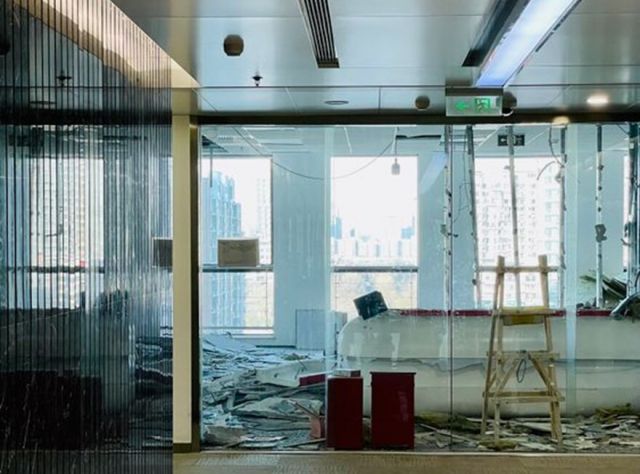
The old lease may end before the new space is fully renovated. Contractors may still be working when desks, chairs, computers, shelving, and supplies are ready to leave the previous location. Building management may approve only certain move-in windows. A company may downsize, expand, or temporarily split operations between two spaces.
That is where a business move, renovation, and storage needs can overlap.
For small businesses, medical offices, studios, showrooms, agencies, and professional service firms, this overlap can create more stress than the move itself. The problem is no longer just transportation. The business must decide what moves now, what waits, what goes into storage, what needs special handling, and what must be accessible during the transition.
What creates overlap between moving, renovation, and storage?
Overlap usually happens when the business timeline does not match the building timeline.
A company may have to vacate its current office by the end of the month, but the new space may still need painting, flooring, electrical work, IT setup, or furniture installation. In other cases, the new office may be ready for some departments but not all of them.
This creates a planning gap.
Businesses often need to remove everything from the old space, but they cannot deliver everything to the new one yet. Without storage, items may sit in hallways, get moved too many times, block contractors, or create confusion during setup.
Common reasons for overlap include lease gaps, delayed renovations, building access restrictions, furniture deliveries arriving before the space is ready, partial office openings, and downsizing decisions that require sorting before final placement.
For NYC businesses, the overlap can become even more complicated. Many commercial buildings require Certificates of Insurance before movers can enter. Freight elevators must often be reserved ahead of time. Loading docks may have short access windows. Some buildings allow commercial moves only after business hours or on weekends.
When those details are not planned early, a small scheduling issue can delay the entire relocation.
Why temporary storage can protect the business timeline
Temporary storage can give a business more control when move-out and move-in dates do not align.
Instead of forcing every item into an unfinished space, storage allows the company to separate what is needed immediately from what can wait. Desks, chairs, filing cabinets, supplies, display materials, fixtures, and extra inventory can be held until the new location is ready for final setup.
This is especially useful during renovations. Contractors need open space to work. If office furniture arrives too early, it may slow down construction, increase the risk of damage, or require items to be moved again inside the building.
Storage can also help companies make better decisions during a transition. A business may not know exactly how much furniture will fit into the new layout until renovations are complete. Keeping non-urgent items in storage gives the team time to finalize the space without rushing disposal, replacement, or placement decisions.
Dream Moving offers moving and storage support for businesses dealing with these timing gaps. Their team can help plan what should be delivered directly, what should be stored, and what should remain accessible for later delivery.
What should a business separate before the move?
When a move, renovation, and storage timeline overlap, every item should not be treated the same way.
Businesses should separate their inventory into clear categories before move day. This helps prevent important items from being packed away too early or delivered to the wrong location.
The first category is daily operational equipment. This may include laptops, monitors, phones, payment systems, servers, printers, client files, tools, or supplies needed to keep the business running.
The second category is furniture and fixtures. Desks, conference tables, shelving, waiting room furniture, storage cabinets, and display units may not be needed until renovation work is complete.
The third category is sensitive or high-value material. This can include confidential records, specialty equipment, fragile decor, branded displays, artwork, or electronics that need careful packing and tracking.
The fourth category is excess or undecided inventory. During a renovation or office redesign, some items may be reused, sold, donated, recycled, or stored for future use.
This sorting process helps the moving crew understand what goes where. It also helps managers avoid opening ten boxes later just to find one important cable, document, or device.
How phased moving reduces downtime
A phased move means the business does not move everything at once.
For many companies, this is safer than a single-day relocation. A phased approach can move non-essential items first, then operational equipment, then furniture, then stored items once renovation work is complete.
This helps the business continue serving clients, managing employees, and protecting its schedule.
For example, a business may move archived files and extra furniture into storage first. Then, the company may move core workstations over a weekend. After contractors finish the new space, stored furniture and supplies can be delivered in a final phase.
This structure gives each part of the move a purpose.
It also helps avoid one of the most common business relocation problems: trying to solve every issue on move day. When too many decisions are left until the truck arrives, staff can become overwhelmed, movers may lose time waiting for direction, and items may end up in the wrong rooms.
Dream Moving’s commercial moving services in NYC are designed for businesses that need planning support, careful handling, and practical coordination during office and commercial relocations.
Why NYC building rules should be checked early
Business relocations in New York City are often shaped by building rules as much as the company’s own schedule.
A commercial building may require a Certificate of Insurance from the moving company before approving the move. The building may also restrict elevator use, limit loading dock hours, require security check-ins, or ask for advance notice from both the tenant and the property manager.
If a renovation is happening at the same time, there may be even more parties involved. Contractors, designers, IT providers, building managers, movers, and company staff may all need access to the same space.
That is why early coordination matters.
Before scheduling the move, businesses should confirm elevator access, loading areas, parking restrictions, move-in hours, renovation status, insurance requirements, and who will be present to approve placement decisions.
A clear access plan helps the moving team work faster and reduces the chance of delays caused by locked rooms, unavailable elevators, or missing approvals.
How storage supports office redesigns and renovations
Storage can be especially useful when a business is not simply changing addresses but redesigning how the workplace functions.
Many companies move during a renovation because they are changing layouts, reducing square footage, adding collaborative areas, updating reception spaces, or replacing older furniture. In those situations, the final office setup may not be clear on the first day of the move.
Storage gives the business breathing room.
Items that are not needed immediately can be kept out of the renovation zone. Once the space is painted, cleaned, wired, and measured, the company can decide what returns and where it belongs.
This prevents clutter from taking over the new office before the renovation is complete. It also helps protect furniture and equipment from dust, scratches, paint, construction debris, and unnecessary handling.
For businesses in Queens, Manhattan, Brooklyn, the Bronx, Staten Island, Long Island, and nearby areas, Dream Moving provides commercial relocation and storage support that can help simplify these staged transitions.
What businesses should avoid during an overlapping move
One of the biggest mistakes is assuming storage can be figured out later.
By the time move day arrives, the business should already know which items are going directly to the new space, which items are going into storage, and which items should remain accessible.
Another mistake is failing to label items by phase. A box labeled “office supplies” is not enough if half the supplies are needed immediately and the other half should stay in storage. Labels should reflect destination, department, priority, and room placement.
Businesses should also avoid using renovation areas as temporary storage. This can slow contractors down and increase the risk of damage.
The final mistake is not assigning a decision-maker. On move day, someone should be available to answer placement questions, approve storage decisions, and communicate with building staff.
How Dream Moving helps businesses manage moving, renovation, and storage timing
Dream Moving supports businesses by helping turn a messy transition into a more organized process.
Their team can assist with commercial moving logistics, packing support, furniture handling, transportation, temporary storage planning, and staged delivery. This can be especially helpful when a business is moving during a renovation, waiting for a new lease to begin, or trying to reduce downtime during a space transition.
As an Astoria-based company serving all five NYC boroughs and surrounding areas, Dream Moving understands how local building access, tight timelines, and storage needs can affect a commercial relocation.
Businesses can use Dream Moving to plan direct delivery for urgent items, storage for non-urgent inventory, and later delivery once the new office or commercial space is ready.
A better way to manage a complicated business transition
When a business move, renovation, and storage need overlap, the goal is not to move everything as fast as possible. The goal is to move each item at the right time, to the right place, with the least disruption to the business.
That requires planning before the first box is packed.
Businesses that separate inventory, confirm building rules, plan storage early, and use a phased moving schedule are less likely to lose time during the transition. They also reduce the risk of damage, confusion, and unnecessary re-handling.
For companies facing a commercial move in New York City, Dream Moving offers practical support for relocations that involve more than a simple address change. Their team helps businesses manage moving, renovation, and storage needs with a clear plan built around real timelines and real access conditions.
Anyone can join.
Anyone can contribute.
Anyone can become informed about their world.
"United We Stand" Click Here To Create Your Personal Citizen Journalist Account Today, Be Sure To Invite Your Friends.
Before It’s News® is a community of individuals who report on what’s going on around them, from all around the world. Anyone can join. Anyone can contribute. Anyone can become informed about their world. "United We Stand" Click Here To Create Your Personal Citizen Journalist Account Today, Be Sure To Invite Your Friends.
LION'S MANE PRODUCT
Try Our Lion’s Mane WHOLE MIND Nootropic Blend 60 Capsules
Mushrooms are having a moment. One fabulous fungus in particular, lion’s mane, may help improve memory, depression and anxiety symptoms. They are also an excellent source of nutrients that show promise as a therapy for dementia, and other neurodegenerative diseases. If you’re living with anxiety or depression, you may be curious about all the therapy options out there — including the natural ones.Our Lion’s Mane WHOLE MIND Nootropic Blend has been formulated to utilize the potency of Lion’s mane but also include the benefits of four other Highly Beneficial Mushrooms. Synergistically, they work together to Build your health through improving cognitive function and immunity regardless of your age. Our Nootropic not only improves your Cognitive Function and Activates your Immune System, but it benefits growth of Essential Gut Flora, further enhancing your Vitality.

Our Formula includes: Lion’s Mane Mushrooms which Increase Brain Power through nerve growth, lessen anxiety, reduce depression, and improve concentration. Its an excellent adaptogen, promotes sleep and improves immunity. Shiitake Mushrooms which Fight cancer cells and infectious disease, boost the immune system, promotes brain function, and serves as a source of B vitamins. Maitake Mushrooms which regulate blood sugar levels of diabetics, reduce hypertension and boosts the immune system. Reishi Mushrooms which Fight inflammation, liver disease, fatigue, tumor growth and cancer. They Improve skin disorders and soothes digestive problems, stomach ulcers and leaky gut syndrome. Chaga Mushrooms which have anti-aging effects, boost immune function, improve stamina and athletic performance, even act as a natural aphrodisiac, fighting diabetes and improving liver function. Try Our Lion’s Mane WHOLE MIND Nootropic Blend 60 Capsules Today. Be 100% Satisfied or Receive a Full Money Back Guarantee. Order Yours Today by Following This Link.


| Visits: | 1,820,126,144 |
| Stories: | 8,669,063 |
Whistler Blowers, Insiders

