

What Is Sensitive Skin and How to Care for It Properly

Sensitive skin is one of the most commonly discussed skin concerns, yet it is often misunderstood. Many people describe their skin as sensitive because it occasionally becomes red, dry, itchy, or irritated. While these symptoms can indeed indicate sensitivity, the reality is more complex. Sensitive skin is not a specific medical diagnosis but rather a condition in which the skin reacts more easily to environmental factors, skincare products, temperature changes, or other triggers.
People with sensitive skin often experience discomfort that others may not notice. Products for sensitive skin that work perfectly for one person may cause burning, stinging, redness, or irritation for someone with sensitive skin. This unpredictability can make skincare feel frustrating and complicated.
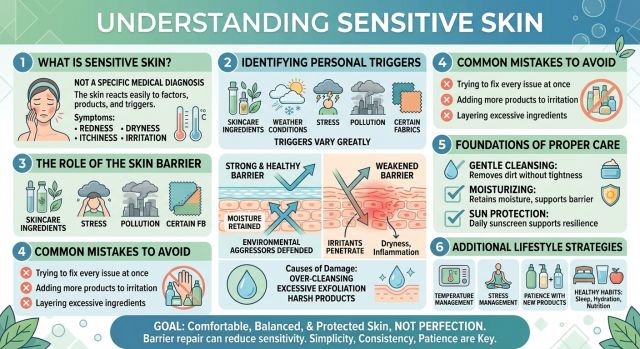
One reason sensitive skin can be difficult to manage is that it varies greatly from person to person. Some individuals react primarily to skincare ingredients, while others are more affected by weather conditions, stress, pollution, or even certain fabrics. Understanding personal triggers is often one of the most important steps toward improving skin comfort.
The skin barrier plays a major role in sensitivity. This outer protective layer acts as a shield against moisture loss and environmental aggressors. When the barrier is strong and healthy, the skin is better equipped to defend itself. When it becomes weakened, irritants can penetrate more easily, leading to redness, dryness, and inflammation.
A damaged skin barrier can result from many factors. Over-cleansing, excessive exfoliation, harsh skincare products, prolonged sun exposure, and environmental stressors can all contribute to barrier dysfunction. Even well-intentioned skincare routines can sometimes create problems if they contain too many active ingredients or are overly aggressive.
One of the most common mistakes people with sensitive skin make is trying to fix every issue at once. When redness or irritation appears, it may seem logical to add more products and treatments. In reality, this often worsens the problem. Sensitive skin usually benefits from simplicity rather than complexity.
Gentle cleansing is one of the foundations of proper care. A cleanser should remove dirt, oil, and impurities without leaving the skin feeling tight or uncomfortable. If your face feels extremely dry or irritated immediately after washing, the cleanser may be too harsh for your skin type.
Moisturizing is equally important. Sensitive skin often struggles to retain moisture effectively, making hydration a key priority. A good moisturizer helps support the skin barrier and reduces the likelihood of irritation caused by environmental factors. Consistent hydration can make the skin feel calmer and more resilient over time.
Sun protection should never be overlooked. Ultraviolet radiation can worsen sensitivity and contribute to inflammation. Daily sunscreen use helps protect the skin from damage and supports long-term skin health. This is particularly important for individuals whose skin already reacts easily to external stressors.
Temperature changes can also affect sensitive skin significantly. Cold winter air, indoor heating, strong winds, and extreme summer heat may all trigger discomfort. Some people notice that their skin becomes redder during hot weather, while others experience dryness and irritation during colder months. Seasonal adjustments to skincare routines are often necessary.
Stress is another factor that can influence skin sensitivity. The connection between the skin and the nervous system is stronger than many people realize. During periods of emotional stress, some individuals notice increased redness, itching, or flare-ups of existing skin conditions. Managing stress may therefore have benefits that extend beyond mental well-being.
When introducing new skincare products, patience is crucial. People with sensitive skin often benefit from adding only one new product at a time and observing how their skin responds. This approach makes it easier to identify potential irritants and avoid overwhelming the skin barrier.
Fragrance is another consideration. While fragrance is not automatically harmful, some individuals with sensitive skin find that heavily scented products increase irritation. This does not mean every scented product should be avoided, but it does mean paying close attention to how the skin reacts.
Interestingly, many people who enjoy luxury fragrances such as Yara perfume understand the importance of balance. Just as a fragrance can be enjoyable when used appropriately, skincare products tend to perform best when selected thoughtfully and used in moderation rather than layered excessively.
Lifestyle habits also contribute to skin health. Adequate sleep, proper hydration, balanced nutrition, and avoiding smoking can all support a healthier skin barrier. While skincare products are important, they work most effectively when combined with healthy daily habits.
Another important point is that sensitive skin is not necessarily permanent. In some cases, sensitivity develops because the skin barrier has been compromised. Once the barrier recovers, the skin may become more tolerant and comfortable. This is why barrier-focused care has become such an important topic in modern skincare.
People with sensitive skin often feel pressure to constantly search for the perfect product. However, the goal should not be perfection. Instead, the focus should be on creating a routine that keeps the skin comfortable, balanced, and protected. Simplicity, consistency, and patience are often more effective than chasing every new trend.
Ultimately, sensitive skin requires understanding rather than aggressive treatment. By identifying triggers, supporting the skin barrier, using gentle products, and maintaining healthy habits, most people can significantly reduce irritation and improve overall skin comfort. Sensitive skin may require extra attention, but with the right approach, it can be managed successfully and remain healthy, resilient, and comfortable throughout the year.
Anyone can join.
Anyone can contribute.
Anyone can become informed about their world.
"United We Stand" Click Here To Create Your Personal Citizen Journalist Account Today, Be Sure To Invite Your Friends.
Before It’s News® is a community of individuals who report on what’s going on around them, from all around the world. Anyone can join. Anyone can contribute. Anyone can become informed about their world. "United We Stand" Click Here To Create Your Personal Citizen Journalist Account Today, Be Sure To Invite Your Friends.
LION'S MANE PRODUCT
Try Our Lion’s Mane WHOLE MIND Nootropic Blend 60 Capsules
Mushrooms are having a moment. One fabulous fungus in particular, lion’s mane, may help improve memory, depression and anxiety symptoms. They are also an excellent source of nutrients that show promise as a therapy for dementia, and other neurodegenerative diseases. If you’re living with anxiety or depression, you may be curious about all the therapy options out there — including the natural ones.Our Lion’s Mane WHOLE MIND Nootropic Blend has been formulated to utilize the potency of Lion’s mane but also include the benefits of four other Highly Beneficial Mushrooms. Synergistically, they work together to Build your health through improving cognitive function and immunity regardless of your age. Our Nootropic not only improves your Cognitive Function and Activates your Immune System, but it benefits growth of Essential Gut Flora, further enhancing your Vitality.

Our Formula includes: Lion’s Mane Mushrooms which Increase Brain Power through nerve growth, lessen anxiety, reduce depression, and improve concentration. Its an excellent adaptogen, promotes sleep and improves immunity. Shiitake Mushrooms which Fight cancer cells and infectious disease, boost the immune system, promotes brain function, and serves as a source of B vitamins. Maitake Mushrooms which regulate blood sugar levels of diabetics, reduce hypertension and boosts the immune system. Reishi Mushrooms which Fight inflammation, liver disease, fatigue, tumor growth and cancer. They Improve skin disorders and soothes digestive problems, stomach ulcers and leaky gut syndrome. Chaga Mushrooms which have anti-aging effects, boost immune function, improve stamina and athletic performance, even act as a natural aphrodisiac, fighting diabetes and improving liver function. Try Our Lion’s Mane WHOLE MIND Nootropic Blend 60 Capsules Today. Be 100% Satisfied or Receive a Full Money Back Guarantee. Order Yours Today by Following This Link.


| Visits: | 1,829,736,297 |
| Stories: | 8,691,067 |
Whistler Blowers, Insiders

