

Deep Scalp Cleansing in Spring Hill: Benefits, Methods, and Healthy Scalp C

 A healthy scalp is an important part of maintaining comfortable skin and manageable hair. However, sweat, excess oil, dead skin cells, styling products, and environmental debris can gradually build up on the scalp. When regular washing does not adequately remove this residue, Deep scalp cleansing Spring Hill becomes a useful topic to understand for people looking to improve their scalp hygiene and hair care routine.
Deep scalp cleansing focuses on removing accumulated impurities while supporting the scalp’s natural balance. The right approach depends on an individual’s scalp type, washing habits, hair texture, and sensitivity. Understanding how cleansing works, when it may be beneficial, and which practices to avoid can help people make informed decisions about their hair care.
What Is Deep Scalp Cleansing?
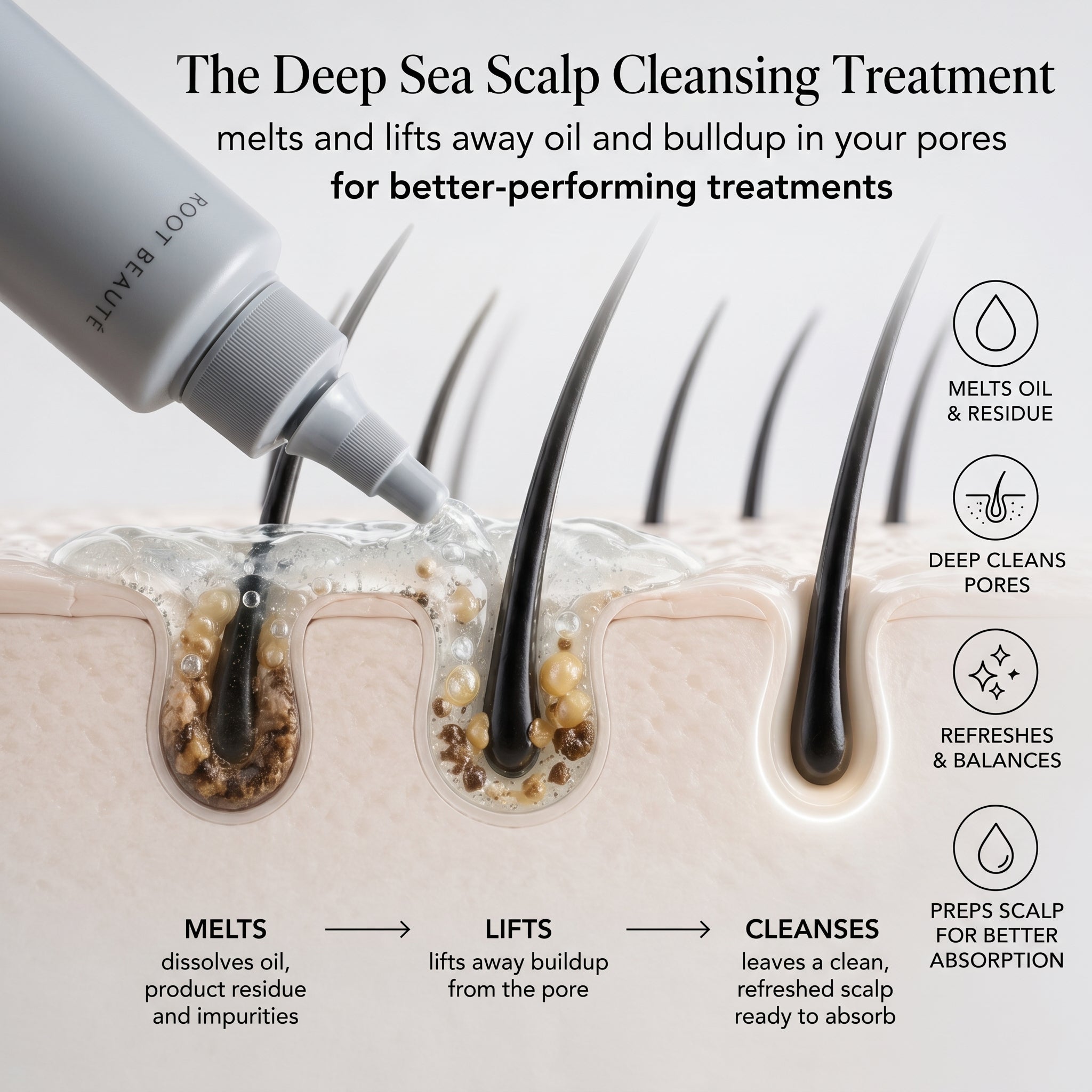
Deep scalp cleansing is a hair care process designed to remove excess oil, product residue, sweat, and loose dead skin cells from the scalp more thoroughly than a basic rinse. Depending on individual needs, it may involve a clarifying shampoo, gentle scalp massage, or a professional scalp treatment.
The goal is to maintain a clean scalp without stripping away too much of its natural protective oil. A balanced scalp environment supports comfort and helps prevent issues associated with excessive product buildup.
Deep cleansing is not the same as aggressively scrubbing the scalp. Harsh exfoliation and overly frequent use of strong cleansing products can cause dryness, irritation, and increased sensitivity.
Why Does Scalp Buildup Occur?
Several everyday factors contribute to the accumulation of oil and residue.
Excess Sebum Production
The scalp naturally produces sebum, an oily substance that helps protect the skin and hair. People with oily scalps may notice greasy roots soon after washing, particularly in warm or humid conditions.
When excess oil combines with sweat and styling products, the scalp can feel heavy or coated.
Hair Styling Products
Leave-in conditioners, gels, waxes, dry shampoos, oils, and hairsprays can leave residue behind. Using several products without thoroughly washing them out may contribute to buildup.
A clarifying shampoo can help remove certain types of residue when used according to the product instructions.
Sweat and Environmental Debris
Exercise, outdoor activities, and exposure to dust can leave sweat and particles on the scalp. These factors do not automatically indicate poor scalp hygiene, but they can influence how frequently someone needs to wash their hair.
Dead Skin Cells
The skin naturally sheds dead cells. These cells usually come away during regular washing. Persistent flaking, however, may have other causes, including dandruff, seborrheic dermatitis, eczema, or psoriasis.
If flaking is severe, persistent, painful, or accompanied by redness, a healthcare professional can help identify the underlying cause.
Benefits of Deep Scalp Cleansing
When performed appropriately, deep cleansing can offer several practical benefits.
Removes product residue: Clarifying products can help eliminate accumulated styling products that ordinary washing may not fully remove.
Reduces excess oil: Thorough cleansing removes surface oil and can leave the scalp feeling fresher.
Improves scalp comfort: People who experience a coated or heavy feeling from buildup may notice improved comfort after an appropriate cleansing routine.
Supports routine scalp care: A clean scalp makes it easier to assess changes in oiliness, dryness, and flaking.
Helps prepare the scalp for other treatments: Removing excess residue may help certain topical products contact the scalp more evenly, depending on their formulation and instructions.
It is important to understand that cleansing alone does not guarantee faster hair growth, prevent hair loss, or treat every scalp condition.
How to Perform Deep Scalp Cleansing Safely
A careful cleansing routine can help remove residue without unnecessarily irritating the skin.
Step 1: Identify Your Scalp Type
Before choosing a product, consider whether your scalp is oily, dry, sensitive, or prone to flaking.
An oily scalp may benefit from more frequent washing, while a dry or sensitive scalp may require gentler products. People with curly, coily, or chemically treated hair should also consider how cleansing affects the lengths of their hair.
Step 2: Choose an Appropriate Shampoo
Use a shampoo suited to your scalp and hair needs. A clarifying shampoo may be useful when styling products accumulate, but it is not necessary for everyone.
Look for products that match your scalp’s needs, and follow the manufacturer’s directions. If a product causes burning, persistent itching, or redness, discontinue its use.
Step 3: Wet the Hair Thoroughly
Use lukewarm water to wet the scalp and hair completely. Very hot water can increase dryness and discomfort for some people.
Thoroughly wetting the hair helps distribute shampoo more evenly.
Step 4: Massage Gently
Apply shampoo to the scalp and use your fingertips to massage it in small, gentle circular movements. Avoid using your fingernails, scraping the skin, or applying excessive pressure.
A scalp brush is optional. If you use one, choose soft bristles and clean it regularly.
Step 5: Rinse Completely
Rinse the scalp thoroughly to remove shampoo and loosened residue. Leftover product can contribute to irritation or make the hair feel coated.
Apply conditioner mainly to the lengths and ends when appropriate for your hair type.
Step 6: Observe How Your Scalp Responds
After cleansing, notice whether your scalp feels comfortable or unusually tight, dry, or irritated. Adjust your routine based on these observations rather than following a rigid schedule.
How Often Should You Deep Cleanse Your Scalp?
There is no single schedule that works for everyone. Regular shampooing frequency depends on oil production, activity levels, hair texture, product use, and scalp conditions.
For some people, ordinary shampooing is sufficient. Others who frequently use styling products may benefit from occasional clarifying shampoo.
| Scalp or hair concern | Practical approach | Important consideration |
|---|---|---|
| Oily scalp | Wash as needed with a suitable shampoo | Avoid leaving excess oil and residue unwashed |
| Dry scalp | Use a gentle, moisturizing shampoo | Avoid frequent harsh clarifying treatments |
| Frequent styling products | Consider occasional clarifying shampoo | Follow product directions |
| Sensitive scalp | Choose fragrance-free or gentle products when appropriate | Stop using products that trigger irritation |
| Persistent dandruff | Consider an evidence-based anti-dandruff shampoo | Seek professional advice if symptoms continue |
Deep cleansing should not be performed aggressively or on a fixed schedule simply because it is marketed as a necessary treatment. The scalp’s response is a more useful guide.
Deep Scalp Cleansing and Hair Growth
Many people explore scalp treatments because they want thicker, stronger, or healthier-looking hair. A clean scalp can support good hair care habits, but cleansing should not be confused with a treatment for hair loss.
A Hair growth scalp treatment Spring Hill may refer to a service or product intended to support scalp health or address concerns related to thinning hair. The appropriate option depends on the cause of the problem.
Hair thinning can result from genetics, hormonal changes, nutritional deficiencies, illness, stress, medication effects, or inflammatory scalp conditions. Removing buildup does not correct all these causes.
People experiencing sudden shedding, bald patches, scalp pain, or progressive thinning should consult a qualified healthcare professional or dermatologist. Early assessment can help identify suitable treatment options.
At-Home Cleansing Compared With Professional Scalp Care
Both home care and professional services may have a role in maintaining scalp hygiene. The right choice depends on the concern being addressed.
| Feature | At-home cleansing | Professional scalp care |
|---|---|---|
| Main purpose | Routine removal of oil and residue | Personalized cleansing and assessment of visible concerns |
| Frequency | Based on individual washing needs | Depends on the service and scalp condition |
| Product selection | Products chosen for personal needs | Products selected according to the service and assessment |
| Convenience | Can be included in a regular routine | Requires an appointment or visit |
| Limitations | May not address persistent scalp conditions | Does not replace medical diagnosis or treatment |
A professional service may be helpful for people who want guidance on product selection or have difficulty managing buildup. However, not every scalp requires a specialized treatment.
Actionable Tips for Maintaining a Healthy Scalp
A consistent routine is generally more useful than frequent intensive treatments.
-
Wash according to your needs: Do not force yourself to follow a washing schedule that leaves your scalp greasy or excessively dry.
-
Use styling products thoughtfully: Apply products as directed and remove residue with suitable shampoo.
-
Avoid harsh scrubbing: Fingertips are usually sufficient for gently cleansing the scalp.
-
Keep hair tools clean: Regularly clean combs, brushes, and scalp brushes to remove accumulated oil and debris.
-
Protect sensitive skin: Avoid introducing several new products at once, especially if your scalp is prone to irritation.
-
Maintain a balanced diet: Adequate protein, iron, and other essential nutrients support normal hair health. Supplements are not automatically necessary and should be based on individual needs.
-
Monitor changes: Persistent itching, scaling, unusual odor, or hair loss deserves attention rather than repeated deep cleansing.
People Also Ask About Deep Scalp Cleansing
What is the best way to deep clean your scalp?
Use a suitable shampoo, massage gently with your fingertips, and rinse thoroughly. Consider a clarifying shampoo when product buildup occurs, provided it suits your scalp.
Does deep scalp cleansing help hair growth?
It can support scalp hygiene by removing excess oil and residue, but it does not directly guarantee faster hair growth or treat the underlying causes of hair loss.
How often should you deep cleanse your scalp?
Frequency varies according to oil production, product use, and sensitivity. Many people need only regular shampooing, while others may occasionally benefit from clarifying products.
Can deep scalp cleansing remove dandruff?
Cleansing can remove loose flakes, but dandruff may require a suitable anti-dandruff shampoo. Persistent or severe symptoms should be evaluated by a healthcare professional.
Is professional scalp cleansing better than cleansing at home?
Not necessarily. Home cleansing is sufficient for many people. Professional care may offer individualized guidance, but persistent scalp symptoms may require medical evaluation.
Frequently Asked Questions
Can deep scalp cleansing cause dryness?
Yes. Strong cleansing products, excessive washing, and aggressive scrubbing can remove too much natural oil or irritate the scalp. Choose products based on your needs and reduce their use if dryness develops.
Should I exfoliate my scalp before shampooing?
Scalp exfoliation is not essential for everyone. Physical scrubs may irritate sensitive skin, and some chemical exfoliants can cause reactions. If you choose an exfoliating product, follow its directions and avoid applying it to broken or inflamed skin.
Is scalp cleansing suitable for every hair type?
Most people can maintain scalp hygiene through appropriate washing, but product selection should account for hair texture, chemical treatments, and skin sensitivity. Curly or coily hair may need a routine that cleanses the scalp while minimizing dryness along the hair lengths.
When should I seek professional advice?
Seek medical advice if you experience persistent itching, significant redness, thick scaling, painful sores, sudden hair loss, or unexplained thinning. These symptoms may indicate a condition that ordinary cleansing cannot resolve.
Deep scalp cleansing can be a useful part of a hair care routine when excess oil, sweat, or styling products accumulate. The most effective approach combines suitable products, gentle massage, thorough rinsing, and a schedule that reflects individual needs.
For people exploring deep scalp cleansing Spring Hill, the key is to focus on scalp comfort and consistent hygiene rather than aggressive treatments or promises of rapid hair growth. When symptoms persist or hair loss becomes noticeable, professional medical guidance is more appropriate than repeated intensive cleansing.
The Lash-Edit team shares educational information about scalp and hair care to help readers make informed decisions about everyday grooming and personal care.
Lash-Edit
5262 Applegate Dr, Spring Hill, FL 34606
(813) 997-8892
Anyone can join.
Anyone can contribute.
Anyone can become informed about their world.
"United We Stand" Click Here To Create Your Personal Citizen Journalist Account Today, Be Sure To Invite Your Friends.
Before It’s News® is a community of individuals who report on what’s going on around them, from all around the world. Anyone can join. Anyone can contribute. Anyone can become informed about their world. "United We Stand" Click Here To Create Your Personal Citizen Journalist Account Today, Be Sure To Invite Your Friends.
LION'S MANE PRODUCT
Try Our Lion’s Mane WHOLE MIND Nootropic Blend 60 Capsules
Mushrooms are having a moment. One fabulous fungus in particular, lion’s mane, may help improve memory, depression and anxiety symptoms. They are also an excellent source of nutrients that show promise as a therapy for dementia, and other neurodegenerative diseases. If you’re living with anxiety or depression, you may be curious about all the therapy options out there — including the natural ones.Our Lion’s Mane WHOLE MIND Nootropic Blend has been formulated to utilize the potency of Lion’s mane but also include the benefits of four other Highly Beneficial Mushrooms. Synergistically, they work together to Build your health through improving cognitive function and immunity regardless of your age. Our Nootropic not only improves your Cognitive Function and Activates your Immune System, but it benefits growth of Essential Gut Flora, further enhancing your Vitality.

Our Formula includes: Lion’s Mane Mushrooms which Increase Brain Power through nerve growth, lessen anxiety, reduce depression, and improve concentration. Its an excellent adaptogen, promotes sleep and improves immunity. Shiitake Mushrooms which Fight cancer cells and infectious disease, boost the immune system, promotes brain function, and serves as a source of B vitamins. Maitake Mushrooms which regulate blood sugar levels of diabetics, reduce hypertension and boosts the immune system. Reishi Mushrooms which Fight inflammation, liver disease, fatigue, tumor growth and cancer. They Improve skin disorders and soothes digestive problems, stomach ulcers and leaky gut syndrome. Chaga Mushrooms which have anti-aging effects, boost immune function, improve stamina and athletic performance, even act as a natural aphrodisiac, fighting diabetes and improving liver function. Try Our Lion’s Mane WHOLE MIND Nootropic Blend 60 Capsules Today. Be 100% Satisfied or Receive a Full Money Back Guarantee. Order Yours Today by Following This Link.


| Visits: | 1,834,355,529 |
| Stories: | 8,717,835 |
Whistler Blowers, Insiders

