

When Gunshot Detection Evidence Becomes Part of a Criminal Case

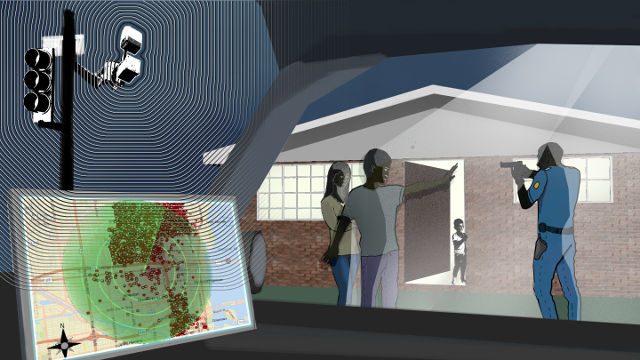
A microphone mounted on a utility pole picks up a sharp sound. Software classifies it as a possible gunshot, estimates where it originated, and sends an alert that may bring police to the area before anyone calls 911. Months later, that same alert could appear in a criminal case as evidence of what happened that night.
Acoustic gunshot detection systems can give investigators useful leads, but an alert isn’t the same as eyewitness testimony or physical evidence. Between the original sound and the courtroom, the information may pass through automated analysis, human review, and police interpretation.
Each step introduces questions about what the technology actually established.
The Alert Is a Starting Point, Not a Finding
Acoustic detection systems identify sounds with characteristics associated with gunfire. Fireworks, vehicle backfires, construction impacts, and other sharp noises can sometimes produce similar signatures. Depending on the system, an analyst may review the recording before or after police receive an alert, and the classification may change as additional information becomes available.
A MacArthur Justice Center analysis of Chicago police responses found that approximately 89% of ShotSpotter deployments produced no documented gun-related crime, while roughly 86% produced no crime report. Those figures don’t prove the alerts were false; gunfire can occur without officers recovering evidence or identifying an offense. They do illustrate the difference between detecting a suspicious sound and establishing that a crime occurred.
Location Estimates Have Limits
Gunshot detection systems estimate where a sound originated using information collected by multiple sensors. The calculation depends on sensor placement, timing, environmental conditions, and the system’s processing methods. Buildings and reflected sound can complicate the analysis, particularly in dense urban areas where acoustic conditions are less predictable.
A dot on a dispatch map may appear to identify a precise location, but the underlying estimate has limitations that aren’t necessarily visible on the screen. For a defense lawyer examining charges connected to an acoustic alert, the relevant questions include how the location was calculated, what accuracy the system claims, and whether other evidence supports the estimate. Placing a possible gunshot near an address doesn’t establish who fired a weapon or where that person was standing.
The Original Recording May Tell a Different Story
By the time an alert appears in a police report, it may reflect several stages of processing. Software classifies the sound, an analyst may review or revise that classification, and officers incorporate the alert into their investigation. A report that simply states a gunshot was detected can leave out important information about how that conclusion was reached.
Defense counsel may seek the available audio, original machine classification, subsequent revisions, analyst notes, and documentation describing the system’s operation. Whether those materials are obtainable depends on discovery rules, protective orders, and the circumstances of the case. Reviewing them can help establish whether the alert remained consistent throughout the process and whether its conclusions are supported by the underlying data.
Admissibility Doesn’t Settle Reliability
Courts have admitted acoustic gunshot detection evidence in criminal proceedings, but admissibility doesn’t mean every conclusion drawn from an alert is accurate. Prosecutors may need to establish an appropriate evidentiary foundation, while defense attorneys can challenge the methods, interpretation, and relevance of the information presented.
A Boston Bar Association legal analysis examines concerns about proprietary algorithms, access to underlying records, and defendants’ ability to evaluate evidence used against them. Those issues become particularly important when the alert plays a substantial role in connecting someone to an alleged shooting.
The legal standards vary by jurisdiction, and the weight given to the evidence depends on the circumstances of the case.
An Alert Can Affect People Who Never Fired a Gun
A suspected gunshot can bring officers into a neighborhood expecting to find a shooter. People standing nearby, leaving the area, or driving through shortly afterward may attract attention even when they have no connection to the sound. The alert may explain why police responded, but it doesn’t automatically establish reasonable suspicion to stop a particular person or probable cause to search them.
Anyone approached by officers following an alert should understand that their rights depend on the nature of the encounter. Several precautions can help protect those rights:
-
Stay calm and avoid physical resistance. If it’s unclear whether the encounter is voluntary, ask whether you’re free to leave.
-
Be careful about answering questions. Identification requirements vary by state and the legal basis for the stop. You can clearly state that you wish to remain silent and want an attorney, particularly if you’re detained or arrested.
-
Document the encounter afterward. Record the time, location, officers’ statements, potential witnesses, and any searches or seizures. Share those details with your attorney if the encounter leads to an investigation or charges.
Acoustic gunshot detection can help police identify locations where further investigation may be warranted. It cannot independently identify a shooter, establish criminal intent, or replace corroborating evidence.
When an alert becomes part of a prosecution, the underlying recording, classification history, and location estimate deserve examination before the technology’s conclusions are treated as fact.
Anyone can join.
Anyone can contribute.
Anyone can become informed about their world.
"United We Stand" Click Here To Create Your Personal Citizen Journalist Account Today, Be Sure To Invite Your Friends.
Before It’s News® is a community of individuals who report on what’s going on around them, from all around the world. Anyone can join. Anyone can contribute. Anyone can become informed about their world. "United We Stand" Click Here To Create Your Personal Citizen Journalist Account Today, Be Sure To Invite Your Friends.
LION'S MANE PRODUCT
Try Our Lion’s Mane WHOLE MIND Nootropic Blend 60 Capsules
Mushrooms are having a moment. One fabulous fungus in particular, lion’s mane, may help improve memory, depression and anxiety symptoms. They are also an excellent source of nutrients that show promise as a therapy for dementia, and other neurodegenerative diseases. If you’re living with anxiety or depression, you may be curious about all the therapy options out there — including the natural ones.Our Lion’s Mane WHOLE MIND Nootropic Blend has been formulated to utilize the potency of Lion’s mane but also include the benefits of four other Highly Beneficial Mushrooms. Synergistically, they work together to Build your health through improving cognitive function and immunity regardless of your age. Our Nootropic not only improves your Cognitive Function and Activates your Immune System, but it benefits growth of Essential Gut Flora, further enhancing your Vitality.

Our Formula includes: Lion’s Mane Mushrooms which Increase Brain Power through nerve growth, lessen anxiety, reduce depression, and improve concentration. Its an excellent adaptogen, promotes sleep and improves immunity. Shiitake Mushrooms which Fight cancer cells and infectious disease, boost the immune system, promotes brain function, and serves as a source of B vitamins. Maitake Mushrooms which regulate blood sugar levels of diabetics, reduce hypertension and boosts the immune system. Reishi Mushrooms which Fight inflammation, liver disease, fatigue, tumor growth and cancer. They Improve skin disorders and soothes digestive problems, stomach ulcers and leaky gut syndrome. Chaga Mushrooms which have anti-aging effects, boost immune function, improve stamina and athletic performance, even act as a natural aphrodisiac, fighting diabetes and improving liver function. Try Our Lion’s Mane WHOLE MIND Nootropic Blend 60 Capsules Today. Be 100% Satisfied or Receive a Full Money Back Guarantee. Order Yours Today by Following This Link.


| Visits: | 1,839,260,736 |
| Stories: | 8,741,446 |
Whistler Blowers, Insiders

