

Hemp Derived Terpenes: A Practical Guide to Sources, Uses, and Quality

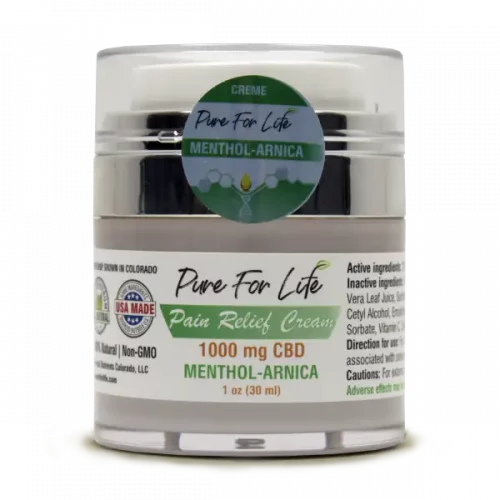
Terpenes are naturally occurring aromatic compounds found in many plants, including hemp. They contribute to the characteristic aromas and flavors associated with different botanical varieties. Hemp Derived Terpenes are specifically obtained from hemp or produced to replicate terpene profiles associated with hemp varieties, making them relevant to botanical products, flavor development, research, and formulation.
Although terpenes are often discussed alongside cannabinoids, they are chemically distinct compounds. Understanding where they come from, how they are processed, and how their quality is evaluated can help consumers and formulators make more informed decisions.
What Are Terpenes?
Terpenes are organic compounds produced by plants, fungi, and some microorganisms. In plants, they can contribute to aroma, flavor, and interactions with the surrounding environment.
Common terpenes include limonene, myrcene, pinene, linalool, and caryophyllene. These compounds occur in numerous plants, so they are not exclusive to hemp or cannabis.
Common Terpenes and Their Characteristics
Different terpenes have recognizable aromatic profiles:
- Limonene: Commonly associated with citrus-like aromas.
- Myrcene: Often described as earthy, herbal, or musky.
- Pinene: Associated with pine and fresh botanical notes.
- Linalool: Known for floral and soft aromatic characteristics.
- Beta-caryophyllene: Often described as spicy, woody, or pepper-like.
The presence and concentration of individual terpenes can vary according to plant variety, cultivation conditions, harvesting methods, and processing.
What Are Hemp Derived Terpenes?
Hemp-derived terpenes are terpene compounds sourced from hemp material rather than from unrelated botanical sources. Depending on the manufacturing process, they may be obtained through extraction, separation, purification, or blending.
A product labeled with this term does not necessarily contain cannabinoids. Terpenes and cannabinoids are different chemical categories, and a terpene preparation can be formulated independently of cannabinoids.
It is also important to distinguish between naturally extracted terpene profiles and products containing individually isolated terpenes. A formulation may contain a single terpene, a selected combination, or a broader botanical profile.
How Are They Obtained?
The production method can influence the final composition and characteristics of a terpene preparation.
Extraction and Separation
Plant material may undergo processing designed to separate volatile aromatic compounds from other plant constituents. Because many terpenes are volatile, temperature, pressure, solvents, and storage conditions can affect recovery.
After extraction, additional purification or separation may be used to achieve a particular composition. The resulting material can then be analyzed to determine which compounds are present and at what concentrations.
Blended Terpene Profiles
Some formulations are created by combining individual terpene isolates in predetermined ratios. This approach allows manufacturers to develop consistent aromatic profiles.
A blended profile should not automatically be considered equivalent to a complete plant extract. The chemical composition depends on the compounds selected and their relative concentrations.
Hemp-Derived vs Botanical Terpenes
The source of a terpene can matter for labeling, formulation, and traceability. However, the chemical identity of a particular terpene is not necessarily changed simply because its botanical source is different.
| Factor | Hemp-Derived Terpenes | Other Botanical Terpenes |
|---|---|---|
| Source | Hemp plant material | Various plants |
| Chemical identity | Depends on individual compound | Depends on individual compound |
| Aroma | Determined by terpene profile | Determined by terpene profile |
| Composition | May contain selected hemp-associated compounds | May contain plant-specific compounds |
| Testing needs | Identity, purity, contaminants | Identity, purity, contaminants |
| Formulation use | Aromatic and flavor applications | Aromatic and flavor applications |
The most useful comparison is therefore not simply the plant source. Purity, composition, intended application, testing, and processing history are equally important.
Why Purity and Testing Matter
Terpenes are concentrated substances, so quality control is important. A certificate of analysis, commonly called a COA, can provide information about the composition and testing of a particular batch.
Useful quality information may include:
- Individual terpene concentrations
- Identification of major compounds
- Residual solvent testing where applicable
- Heavy metal screening
- Pesticide testing
- Microbial testing when relevant
- Batch or lot identification
- Testing date and laboratory information
Third-party laboratory testing can provide an additional layer of transparency, but the quality of a COA depends on the laboratory, testing methodology, sample handling, and scope of the analysis.
How Storage Can Affect Terpenes
Many terpenes are volatile and can be sensitive to environmental conditions. Exposure to excessive heat, oxygen, or light may gradually change their composition or aroma.
For storage, consider the following practical measures:
- Keep containers tightly sealed when not in use.
- Store products according to the manufacturer’s recommended temperature.
- Limit unnecessary exposure to air.
- Protect containers from direct sunlight.
- Avoid repeated temperature fluctuations.
- Follow the stated shelf-life or best-use guidance.
Good storage practices help reduce unnecessary degradation and maintain a more consistent formulation.
Choosing a Quality Terpene Product
When evaluating Hemp Derived Terpenes, buyers should focus on documentation rather than marketing terminology alone.
Check the Ingredient Information
Look for a clear description of the terpene composition. A vague statement about a botanical source provides less information than a detailed ingredient profile.
Review Laboratory Documentation
A recent COA can help verify whether the product’s stated composition corresponds with laboratory findings. Check that the document identifies the batch being purchased.
Consider the Intended Application
Terpenes can be used in different contexts, and a preparation suitable for one application may not automatically be suitable for another. Always check whether the product has specifications appropriate for its intended use.
Evaluate Packaging
Packaging should help protect volatile compounds from environmental exposure. A well-sealed container and appropriate storage instructions are useful indicators of basic handling considerations.
Actionable Tips for Beginners
People new to terpene products can simplify the evaluation process by following a few steps:
- Start with the ingredient list: Identify the individual compounds present.
- Ask about sourcing: Determine whether the material is hemp-derived, botanically sourced, isolated, or blended.
- Request batch testing: Look for documentation tied to the specific lot.
- Check concentration: More concentrated does not necessarily mean better; suitability depends on the intended application.
- Read handling instructions: Follow storage and use recommendations carefully.
- Avoid assuming effects: Aroma and chemical composition do not automatically establish a specific health benefit.
- Check applicable regulations: Requirements can vary depending on the product category, jurisdiction, and intended use.
People Also Ask
What are hemp-derived terpenes?
They are terpene compounds sourced from hemp or formulated from terpene components associated with hemp. They are chemically distinct from cannabinoids.
Are hemp-derived terpenes the same as cannabinoids?
No. Terpenes and cannabinoids are different classes of compounds. A terpene preparation can contain no cannabinoids unless cannabinoids are separately present.
What are common hemp-associated terpenes?
Common examples include limonene, myrcene, pinene, linalool, and beta-caryophyllene, although the exact profile varies between preparations.
How should terpene products be stored?
They should generally be kept tightly sealed and protected from excessive heat, light, and unnecessary exposure to air. Specific storage instructions should always take priority.
How can terpene quality be evaluated?
Review the ingredient profile, batch-specific laboratory testing, purity information, manufacturing details, and storage guidance. A current COA can be particularly useful for evaluating composition and contaminants.
Frequently Asked Questions
Do hemp-derived terpenes contain THC?
Not necessarily. Terpenes themselves are not THC. However, a particular hemp-derived preparation may contain other plant compounds depending on how it was produced, so laboratory documentation should be checked when cannabinoid content matters.
Can terpenes come from plants other than hemp?
Yes. Terpenes are widespread throughout the plant kingdom. Citrus fruits, conifers, herbs, flowers, and many other plants naturally contain terpene compounds.
Does terpene source determine its chemical properties?
Not necessarily. A specific terpene molecule generally has the same chemical identity regardless of whether it originated from hemp or another botanical source. The overall mixture can differ depending on its source.
Why do terpene profiles vary?
Differences can result from plant genetics, growing conditions, harvesting, processing, extraction methods, storage, and the specific compounds selected for a formulation.
Are all terpene products suitable for every use?
No. Intended use matters. Concentration, purity, ingredients, testing requirements, and applicable regulations should be considered before selecting a product for a particular application.
Final Takeaway
Understanding Hemp Derived Terpenes begins with recognizing that terpenes are aromatic plant compounds rather than cannabinoids. Their source, composition, processing method, purity, laboratory testing, and storage conditions can all influence the final material.
For consumers and formulators, the most practical approach is to look beyond labels and evaluate transparent ingredient information, batch-specific testing, appropriate handling instructions, and suitability for the intended application. This helps create a more informed basis for comparing terpene preparations and understanding what a particular product actually contains.
Anyone can join.
Anyone can contribute.
Anyone can become informed about their world.
"United We Stand" Click Here To Create Your Personal Citizen Journalist Account Today, Be Sure To Invite Your Friends.
Before It’s News® is a community of individuals who report on what’s going on around them, from all around the world. Anyone can join. Anyone can contribute. Anyone can become informed about their world. "United We Stand" Click Here To Create Your Personal Citizen Journalist Account Today, Be Sure To Invite Your Friends.
LION'S MANE PRODUCT
Try Our Lion’s Mane WHOLE MIND Nootropic Blend 60 Capsules
Mushrooms are having a moment. One fabulous fungus in particular, lion’s mane, may help improve memory, depression and anxiety symptoms. They are also an excellent source of nutrients that show promise as a therapy for dementia, and other neurodegenerative diseases. If you’re living with anxiety or depression, you may be curious about all the therapy options out there — including the natural ones.Our Lion’s Mane WHOLE MIND Nootropic Blend has been formulated to utilize the potency of Lion’s mane but also include the benefits of four other Highly Beneficial Mushrooms. Synergistically, they work together to Build your health through improving cognitive function and immunity regardless of your age. Our Nootropic not only improves your Cognitive Function and Activates your Immune System, but it benefits growth of Essential Gut Flora, further enhancing your Vitality.

Our Formula includes: Lion’s Mane Mushrooms which Increase Brain Power through nerve growth, lessen anxiety, reduce depression, and improve concentration. Its an excellent adaptogen, promotes sleep and improves immunity. Shiitake Mushrooms which Fight cancer cells and infectious disease, boost the immune system, promotes brain function, and serves as a source of B vitamins. Maitake Mushrooms which regulate blood sugar levels of diabetics, reduce hypertension and boosts the immune system. Reishi Mushrooms which Fight inflammation, liver disease, fatigue, tumor growth and cancer. They Improve skin disorders and soothes digestive problems, stomach ulcers and leaky gut syndrome. Chaga Mushrooms which have anti-aging effects, boost immune function, improve stamina and athletic performance, even act as a natural aphrodisiac, fighting diabetes and improving liver function. Try Our Lion’s Mane WHOLE MIND Nootropic Blend 60 Capsules Today. Be 100% Satisfied or Receive a Full Money Back Guarantee. Order Yours Today by Following This Link.


| Visits: | 1,830,171,810 |
| Stories: | 8,693,903 |
Whistler Blowers, Insiders

