

Hemp and Cannabis Extraction Equipment: A Practical Guide

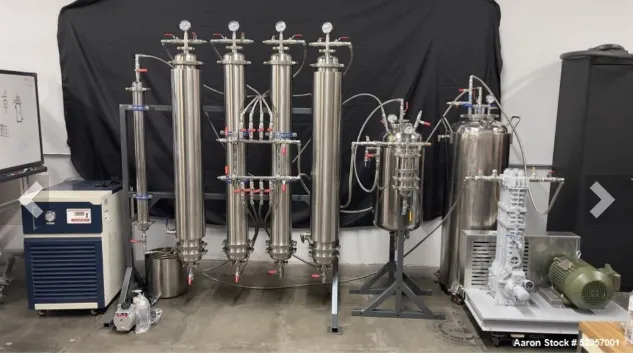
The growing interest in hemp and cannabis-derived compounds has increased the need for reliable extraction methods and properly designed processing systems. Hemp and Cannabis Extraction Equipment plays an important role in separating desired compounds from plant material while maintaining consistency, efficiency, and product quality. Understanding how these systems work can help processors choose suitable equipment for their production requirements.
Extraction involves removing selected compounds from plant material using a specific solvent, temperature, pressure, or mechanical process. The appropriate approach depends on the desired output, plant characteristics, production scale, and applicable regulations. Modern extraction systems can range from small laboratory setups to larger industrial processing equipment.
What Is Hemp and Cannabis Extraction Equipment?
Hemp Extraction Systems refers to machinery and supporting systems used to separate cannabinoids, terpenes, oils, and other compounds from hemp or cannabis biomass.
Depending on the extraction method, equipment may include:
-
Extraction vessels
- Solvent storage systems
- Pumps and circulation systems
- Filtration units
- Evaporation equipment
- Separation systems
- Collection vessels
- Temperature-control systems
- Pressure-control components
- Safety monitoring equipment
Each component has a specific function. For example, an extraction vessel provides the controlled environment where plant material comes into contact with an extraction medium. Filtration systems can then help remove unwanted plant particles before further processing.
How Does the Extraction Process Work?
The basic extraction process typically involves several stages. While specific procedures vary according to the technology being used, the overall workflow often follows a similar pattern.
Plant Material Preparation
Hemp or cannabis biomass is first prepared for extraction. This can involve drying, grinding, or other forms of size reduction.
Consistent particle size can improve contact between the plant material and extraction medium. However, excessive grinding may create fine particles that make filtration more difficult.
Extraction
During extraction, the prepared biomass is exposed to a solvent or another extraction medium. The medium interacts with compounds in the plant material and transfers selected components into a solution or extract.
Different extraction technologies use different mechanisms. Some rely on solvents, while others use physical or pressure-based processes.
Filtration and Separation
After extraction, the mixture may contain plant particles and other unwanted materials. Filtration helps separate solids from the extracted liquid.
Additional separation steps may be used depending on the intended product. These can include evaporation, distillation, winterization, or other purification technologies.
Recovery and Collection
In solvent-based systems, solvent recovery can be an important part of the process. Proper recovery equipment can help reduce material waste and improve process efficiency.
The resulting extract can then undergo additional processing depending on its intended application.
Common Types of Extraction Systems
There are several technologies used for hemp and cannabis extraction. Each has different operating characteristics.
Ethanol Extraction Systems
Ethanol is commonly used as an extraction solvent because it can dissolve a broad range of plant compounds. Ethanol-based systems may be designed for relatively high-throughput processing.
Temperature control can influence which compounds are extracted and how efficiently the process operates.
Hydrocarbon Extraction Systems
Hydrocarbon-based systems may use solvents such as butane or propane. These systems can be designed to selectively extract certain compounds.
Because hydrocarbons are highly flammable, appropriate engineering controls, ventilation, electrical classifications, and safety procedures are essential.
Supercritical CO₂ Systems
Supercritical carbon dioxide extraction uses CO₂ under controlled temperature and pressure conditions. The CO₂ can behave as a solvent and interact with target compounds in plant material.
These systems can provide precise process control but may involve higher equipment complexity and capital requirements.
Mechanical and Solventless Methods
Some extraction approaches rely on mechanical pressure, heat, or other physical techniques rather than conventional chemical solvents.
Solventless processes can be useful when the desired product characteristics favor minimal solvent involvement. Equipment requirements vary considerably depending on the specific process.
How to Choose Extraction Equipment
Selecting Cannabis Extraction Systems requires more than comparing machine capacity. Processors should evaluate the entire workflow.
Consider Production Scale
A small laboratory operation has different requirements from a commercial processing facility. Equipment should match the expected biomass volume and processing frequency.
Buying a system that is significantly larger than necessary can increase capital and operating costs, while undersized equipment may create production bottlenecks.
Evaluate Process Compatibility
The extraction method should align with the intended product and downstream processing requirements.
Processors should consider factors such as solvent compatibility, temperature range, pressure requirements, filtration needs, and recovery systems before selecting individual components.
Examine Material Compatibility
Equipment surfaces that contact extraction materials should be suitable for the intended process. Materials of construction can affect durability, contamination risks, cleaning requirements, and compatibility with solvents.
Stainless steel is frequently used in processing environments because of its durability and cleanability, but the appropriate material depends on the application.
Review Safety Requirements
Safety should be considered before equipment is purchased or installed.
Systems involving pressure, heat, electricity, or flammable solvents may require specialized facility controls. Emergency shutoffs, ventilation, grounding, pressure relief, monitoring systems, and appropriate equipment classifications may all be relevant.
Actionable Tips for Extraction Equipment Planning
Before investing in an extraction system, processors can follow several practical steps:
Define the target product first. Determine what compounds or extract characteristics the process is intended to produce.
Estimate biomass volume. Calculate expected daily, weekly, or monthly processing requirements.
Map the complete workflow. Include preparation, extraction, filtration, solvent recovery, purification, storage, and cleaning.
Check utility requirements. Review electricity, water, ventilation, cooling, heating, and compressed-air requirements where applicable.
Calculate total operating costs. Consider solvents, energy, maintenance, labor, consumables, and waste handling.
Verify regulatory requirements. Local rules may affect facility design, solvent storage, fire protection, and equipment installation.
Plan maintenance access. Equipment should allow operators to inspect, clean, and service important components safely.
Document operating procedures. Written procedures can improve consistency and reduce avoidable process errors.
Why Process Control Matters
Consistency is one of the major considerations in extraction. Changes in temperature, pressure, solvent-to-biomass ratio, extraction time, moisture content, and particle size can influence the resulting extract.
For this reason, Hemp Extraction Systems should be evaluated as part of an integrated process rather than as an isolated machine.
Sensors and control systems can help operators monitor important variables. Recording process data can also make it easier to identify changes between batches and investigate unexpected results.
Cleaning and Maintenance Considerations
Extraction equipment requires regular cleaning and inspection. Residual plant material, oils, solvents, or other substances can accumulate in vessels, filters, valves, pumps, and transfer lines.
A maintenance program should identify:
- Cleaning intervals
- Inspection points
- Seal and gasket checks
- Filter replacement schedules
- Pressure-system inspections
- Electrical checks
- Calibration requirements
- Preventive maintenance procedures
Following manufacturer specifications and applicable safety standards is important when servicing specialized equipment.
People Also Ask
What is hemp and cannabis extraction equipment used for?
It is used to separate compounds such as cannabinoids, terpenes, and oils from hemp or cannabis plant material using solvent-based, pressure-based, thermal, or mechanical processes.
What is the most common extraction method?
Ethanol and CO₂ systems are widely used, while hydrocarbon and solventless methods are also used for specific applications. The appropriate method depends on the intended product and processing requirements.
Is CO₂ extraction better than ethanol extraction?
Neither method is universally better. CO₂ can provide precise process control, while ethanol systems can offer broad extraction capability. Equipment selection depends on production goals, cost, facility requirements, and downstream processing.
What factors affect extraction efficiency?
Important factors include biomass preparation, moisture content, particle size, solvent characteristics, temperature, pressure, extraction time, and equipment design.
How should extraction equipment be maintained?
Equipment should be cleaned according to established procedures and inspected regularly for seals, filters, valves, pressure components, electrical systems, and other critical parts.
Frequently Asked Questions
Can extraction equipment be used for different types of biomass?
Some systems can process different biomass types, but compatibility should be confirmed before changing feedstock. Moisture content, density, particle size, and chemical composition can affect performance.
Does equipment size affect extraction efficiency?
Equipment size itself does not automatically determine efficiency. Proper matching of equipment capacity, process parameters, and biomass volume is more important.
Why is temperature control important?
Temperature can influence solvent behavior, compound solubility, extraction selectivity, and overall process consistency. Maintaining controlled conditions can help reduce batch-to-batch variation.
Is solvent recovery necessary?
For solvent-based extraction, recovery can reduce solvent waste and operating costs. It can also be an important part of safe and controlled processing.
What should be checked before purchasing equipment?
Review capacity, extraction technology, materials of construction, safety features, utilities, maintenance requirements, regulatory considerations, and compatibility with the intended process.
Choosing Hemp and Cannabis Extraction Equipment requires an understanding of the complete extraction workflow rather than focusing only on equipment capacity. Different technologies offer different operating characteristics, and factors such as biomass volume, target compounds, solvent choice, temperature, pressure, safety, and downstream purification all influence equipment requirements.
A carefully planned system can support consistent processing while making cleaning, maintenance, monitoring, and regulatory compliance easier to manage. Before installation or operation, processors should review applicable regulations, facility requirements, equipment documentation, and appropriate safety procedures.
Anyone can join.
Anyone can contribute.
Anyone can become informed about their world.
"United We Stand" Click Here To Create Your Personal Citizen Journalist Account Today, Be Sure To Invite Your Friends.
Before It’s News® is a community of individuals who report on what’s going on around them, from all around the world. Anyone can join. Anyone can contribute. Anyone can become informed about their world. "United We Stand" Click Here To Create Your Personal Citizen Journalist Account Today, Be Sure To Invite Your Friends.
LION'S MANE PRODUCT
Try Our Lion’s Mane WHOLE MIND Nootropic Blend 60 Capsules
Mushrooms are having a moment. One fabulous fungus in particular, lion’s mane, may help improve memory, depression and anxiety symptoms. They are also an excellent source of nutrients that show promise as a therapy for dementia, and other neurodegenerative diseases. If you’re living with anxiety or depression, you may be curious about all the therapy options out there — including the natural ones.Our Lion’s Mane WHOLE MIND Nootropic Blend has been formulated to utilize the potency of Lion’s mane but also include the benefits of four other Highly Beneficial Mushrooms. Synergistically, they work together to Build your health through improving cognitive function and immunity regardless of your age. Our Nootropic not only improves your Cognitive Function and Activates your Immune System, but it benefits growth of Essential Gut Flora, further enhancing your Vitality.

Our Formula includes: Lion’s Mane Mushrooms which Increase Brain Power through nerve growth, lessen anxiety, reduce depression, and improve concentration. Its an excellent adaptogen, promotes sleep and improves immunity. Shiitake Mushrooms which Fight cancer cells and infectious disease, boost the immune system, promotes brain function, and serves as a source of B vitamins. Maitake Mushrooms which regulate blood sugar levels of diabetics, reduce hypertension and boosts the immune system. Reishi Mushrooms which Fight inflammation, liver disease, fatigue, tumor growth and cancer. They Improve skin disorders and soothes digestive problems, stomach ulcers and leaky gut syndrome. Chaga Mushrooms which have anti-aging effects, boost immune function, improve stamina and athletic performance, even act as a natural aphrodisiac, fighting diabetes and improving liver function. Try Our Lion’s Mane WHOLE MIND Nootropic Blend 60 Capsules Today. Be 100% Satisfied or Receive a Full Money Back Guarantee. Order Yours Today by Following This Link.


| Visits: | 1,833,399,387 |
| Stories: | 8,712,410 |
Whistler Blowers, Insiders

